Addo, Eastern Cape: Accommodation and a Practical Guide to Stay
High on the list for wildlife lovers and intrepid travellers, Addo in the Eastern Cape offers a mix of intimate lodges, spacious game reserves and comfortable guesthouses set against the backdrop of rolling valleys and the iconic coastline nearby. Planning a stay here means weighing the pace of a traditional safari with the relaxed rural charm of South Africa’s Eastern Cape. Whether you favour bushveld seclusion or a lodgeier experience with private guiding, the region provides a range of options to suit different itineraries and budgets.
Accommodation in and around Addo tends to cluster in two broad settings: private reserves and the more rural village and farm stays. Private reserves often deliver a daily wildlife programme, early morning and late afternoon game drives, and a sense of exclusive access. Rural lodges and guesthouses, meanwhile, offer a more self-guided timetable, often with generous walking opportunities, a friendly, intimate atmosphere and easy access to the area’s quieter scenery. When selecting where to stay, consider how you intend to spend your days: some guests want rigorous guided safaris, others want relaxed days by a pool with the option of a short nature stroll and a nearby restaurant visit.
Where to stay depends on transport and accessibility as well. A number of lodging options are located near the Addo townships or within private game reserves that require organised transfers or a vehicle to reach main entrances. If you’re flying in, you’ll typically land at the regional airport or at a larger international gateway and then drive or take a transfer to your chosen base. Self-drive itineraries are common, particularly for visitors who want flexibility to explore scenery beyond the safari hours. While some reserves are compact, others span broader landscapes, so communication with your accommodation about access times and guided activities is worthwhile.
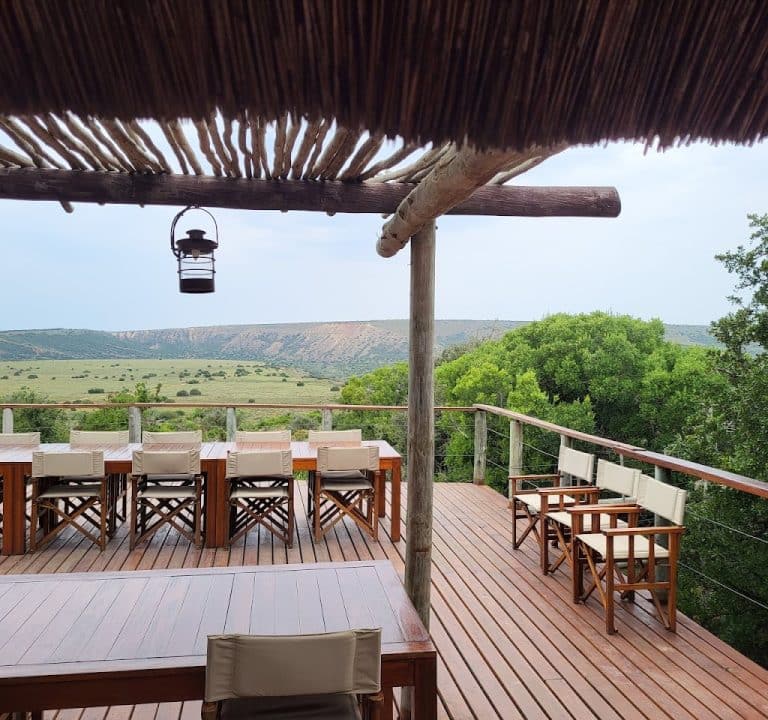
Typical amenities echo the purpose of the visit. Expect comfortable rooms or cabins with en-suite bathrooms, generous breakfast offerings, and the chance to join guided game drives or nature walks. Many lodges feature outdoor spaces for al fresco meals, sun decks, and on-site lounges where wildlife spotting can be enjoyed from the safety and comfort of the property. For families or groups, look for family rooms, suite configurations, or interconnecting tents and cottages. If you’re visiting in winter, warm common areas and fireplaces become appealing; in summer, quiet, shaded verandas and cooling pools are welcome options.
Best time to visit Addo is influenced by the seasons. The cooler, drier months from late autumn to early spring (around May to September) are popular for wildlife viewing due to thinner grass and animals gathering around water sources. The wetter summer period (roughly November to March) brings lush landscapes and birdlife bursts, though afternoon thunderstorms can disrupt some outdoor plans. Regardless of the season, dawn and dusk remains the most rewarding time for wildlife sightings, so plan morning or late afternoon activities into your schedule where possible.
For those seeking dining experiences away from your room, most accommodation providers offer a restaurant or dining area on site, with menus that celebrate regional ingredients. Local eateries and guesthouses nearby can provide a taste of Cape flavours, from hearty meat dishes to seafood and fresh produce, often with views over the surrounding countryside. In addition, many guests enjoy short drives to nearby towns for a casual meal out, or a cosy, rustic supper back at the lodge after a day’s adventures. If you’d like a broader culinary itinerary, ask your host for recommendations on local markets, farm stalls and scenic stops along your planned route.
Practical planning tips to help you make the most of Addo:
- Book early for peak seasons, especially if you’re after a specific lodge or reserve experience.
- Clarify whether your rate includes guided drives, park entry fees, and meals, so you can compare packages easily.
- Consider using a private reserve for a more focused wildlife programme and higher likelihood of intimate encounters.
- Pack neutral clothing, sun protection, insect repellent, and a light jacket for cooler mornings.
- Arrange airport or intercity transfers in advance if you’re not driving, and confirm the distance to drive each day to avoid long rainforest-like commutes.
When planning your itinerary, you might include a signature stay such as a lodge within a private reserve. For example, one lodge offers a blend of traditional comfort with modern conveniences, and its website provides details about the setting, experiences and how to book a stay. If you’re curious about specific properties, you can explore their individual pages for room types, seasonal activities, and family-friendly facilities. For a linked example of a well-regarded option in the area, you can visit the Woodbury Tented Camp page at Woodbury Tented Camp.
In terms of attractions, Addo is renowned for its proximity to wildlife reserves offering guided game drives and self-guided nature walks. While the focal point is wildlife viewing, you can expect scenic drives through diverse landscapes, birdwatching opportunities, and the chance to learn about conservation initiatives in the region. If you wish to combine your wildlife itinerary with coastal scenery, plan a day trip to nearby beaches and coastal viewpoints, where the landscape transitions from savannah to sea cliffs and sandy coves. Always check accessibility and opening times for any attractions you plan to visit, and base your days around the early morning drive windows offered by most lodges and reserves.
With careful planning, Addo can deliver a thoroughly relaxing yet richly engaging stay. The region rewards travellers who balance steady wildlife activity with downtime in a comfortable setting, while leaving room for spontaneous exploration of nearby towns, markets and scenic viewpoints. By choosing the right accommodation match for your interests and pace, you’ll enjoy a memorable stay in the Eastern Cape that blends nature, comfort and the welcoming spirit of South Africa.