Bela-Bela, Limpopo: Where to stay and what to do for a memorable getaway
Nestled in the heart of Limpopo, Bela-Bela—often known by its historic name Warmbaths—offers a gratifying mix of relaxed lodges, family-friendly guesthouses and bush-escapes. The town is famed for its mineral hot springs and access to pristine natural surroundings, making it a popular base for safaris, outdoor adventures and restorative breaks. Whether you are seeking a cosy, intimate retreat or a larger lodge with communal facilities, Bela-Bela provides a range of options to suit different budgets and itineraries.
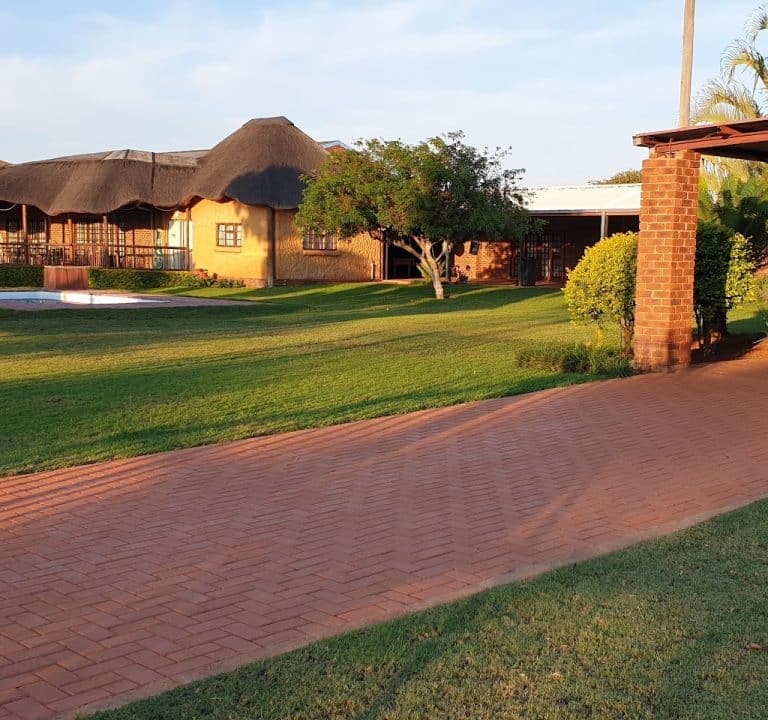
When planning a stay, consider the different areas around Bela-Bela. The central town area puts you close to essential services, eateries and the starting points for local excursions. For a more immersive experience, look for lodge properties on the edge of nature reserves or within landscaped gardens where wildlife and birdsong frame your mornings. If you are aiming for a family-friendly trip, search for venues with kids’ clubs, pools or game-drive options, while travellers seeking quiet and solitude may prefer lodges set well away from town noise, offering expansive verandas and private plunge pools.
Booking considerations are important to ensure your stay aligns with your plans. Check for accessibility to main roads and the proximity to the springs and other attractions; some lodges offer on-site guides or arrangements with nearby operators. Review the type of accommodation—whether you want individual rooms and self-catering facilities, or a more all-inclusive package with meals and organised activities. Confirm the level of indulgence you desire, from rustic and intimate to spacious suites with private outdoor areas. If you are travelling with children or elderly guests, ask about family-friendly rooms, safety features and available mobility assistance where needed.
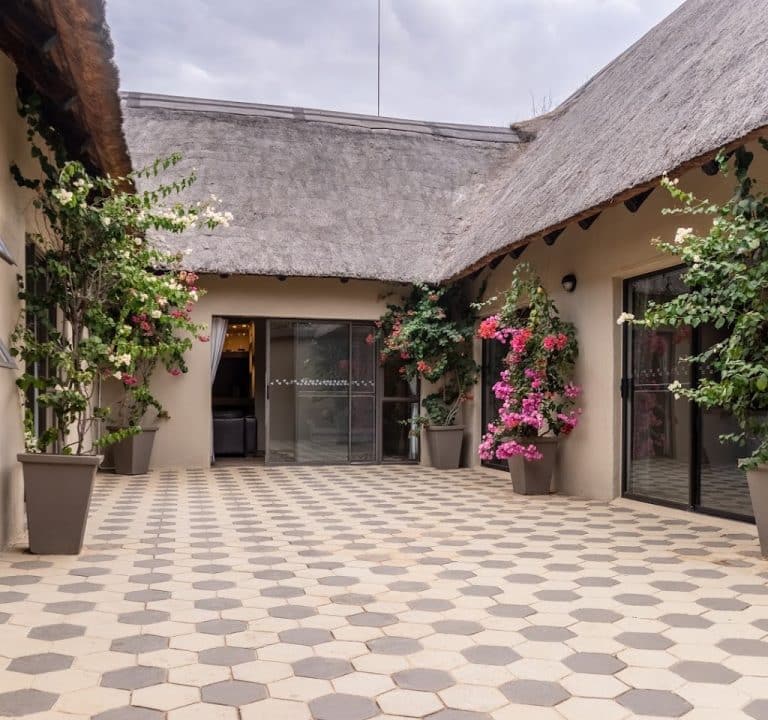
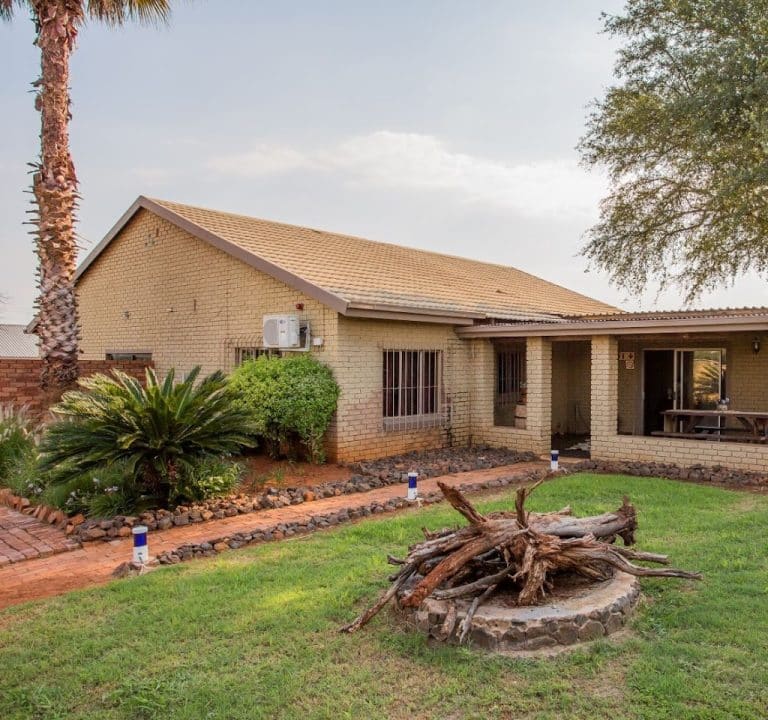
Typical amenities to look for include clean en-suite bathrooms, adequate air conditioning or fans for the warm Bosveld evenings, reliable Wi-Fi, and secure parking. Many properties in Bela-Bela feature outdoor seating, communal braai (barbecue) areas, and flexible dining options ranging from light snacks to full meals. Gardens and terraces that invite morning coffee or sunset drinks are common highlights. For photography or stargazing fans, ask about outdoor lighting and guided night-sky experiences offered by the lodge or nearby operators.
Transport in Bela-Bela is straightforward but plan ahead. The town is accessible by road, and many visitors hire a car to explore the surrounding reserves, landscapes, and residential farms. If you prefer not to drive, some lodges can arrange transfers from major hubs, or organise guided day trips with a driver-guide. It is worth noting that public transport is limited compared with urban centres, so a car or organised tours tend to be the most convenient option for maximum flexibility.
Best time to visit Bela-Bela is influenced by weather and what you want from your trip. The dry winter months bring a pleasant climate for outdoor safaris and exploring the surrounding countryside, with cooler evenings suitable for outdoor dining. The summer season offers greener scenery and daily wildlife activity, though afternoon heat can be intense. Consider shoulder seasons for a balance of good wildlife sightings, comfortable temperatures and potentially lower rates. If hot springs are high on your list, year-round visits are possible, but be mindful of peak periods around weekends and school holidays when attractions may be busier.
Attractions in and around Bela-Bela are plentiful, often combining nature-based experiences with relaxation. Natural hot springs are a cornerstone of the area, drawing guests who appreciate spa-like features in a rustic setting. Nearby reserves and protected areas offer opportunities for birdwatching, gentle bush walks and game-spotting, with guided safaris available through lodge itineraries or local operators. For families and curious travellers, light adventure activities such as hiking, cycling or water-based options at nearby venues can provide a well-rounded day out. Picture-lined plains, acacia-studded horizons and tranquil lakes characterise the region, making it suitable for slow-paced days that still offer memorable scenery and wildlife encounters.
When it comes to dining, Bela-Bela’s restaurant scene tends to be relaxed and welcoming, with venues ranging from casual diners to more refined eateries within lodges or guesthouses. Many accommodations offer on-site dining or easy access to nearby countryside restaurants where regional flavours—such as game-inspired dishes or seasonal vegetables—feature on the menu. If you prefer to cook some meals yourself, several lodges include self-catering facilities or guesthouse kitchens, providing flexibility to plan your own menus after a day of exploring.
For travellers seeking a lodge that exemplifies the region’s hospitality, Re a Lora Safaris offers a notable option in the locality. Their dedication to combining comfortable accommodation with accessible safari experiences reflects the spirit of Bela-Bela as a gateway to Limpopo’s wildlife and landscapes. You can learn more about their offerings through their official website: http://www.realorasafaris.co.za/
Practical tips for a smooth stay:
- Book early for peak seasons and school holidays, as popular lodges can fill quickly.
- Ask about guided forest or bush walks, and whether transfers to nearby attractions are included.
- Pack adaptable layers for variable temperatures and a lightweight rain jacket for sudden showers.
- Bring a reusable water bottle and sunscreen for day trips; many natural areas have shade and refreshment stops.
- Check cancellation policies and any minimum-stay requirements, especially for longer weekends or special packages.
Whether you are seeking a restful escape, a base for shallow- or deep-wore safaris, or a family-friendly holiday, Bela-Bela offers diverse accommodation and an array of activities that showcase Limpopo’s warm hospitality and natural beauty. A well-chosen lodge can unlock convenient access to the springs, wildlife experiences and the tranquil spaces that make this part of South Africa so appealing to visitors from around the world.