Accommodation and Things to Do in Bela-Bela, Limpopo: A Practical Guide for Staying and Exploring
Bela-Bela, commonly known as “Hot Springs Town”, offers a convenient base for exploring the Waterberg region of Limpopo. Whether you prefer a cosy guest house, a family-friendly lodge, or a boutique hotel, the town supports a relaxed pace with easy access to nature and wildlife experiences. Planning a stay here means balancing comfort, location, and value, while allowing time to unwind in thermal springs after a day of discovery.
Where to stay is the first big decision. The town centre provides straightforward access to shops, eateries, and the majority of guest houses and hotels, while quieter pockets near the water’s edge or on the outskirts tend to offer more privacy and natural surroundings. When choosing accommodation, consider how you plan to move around. A car is by far the most practical option for Bela-Bela, with many attractions and viewpoints spread across the wider Waterberg landscape. If you prefer not to drive, check whether your chosen property offers reliable airport or bus transfers and whether local tour partners can arrange guided day trips or game drives.
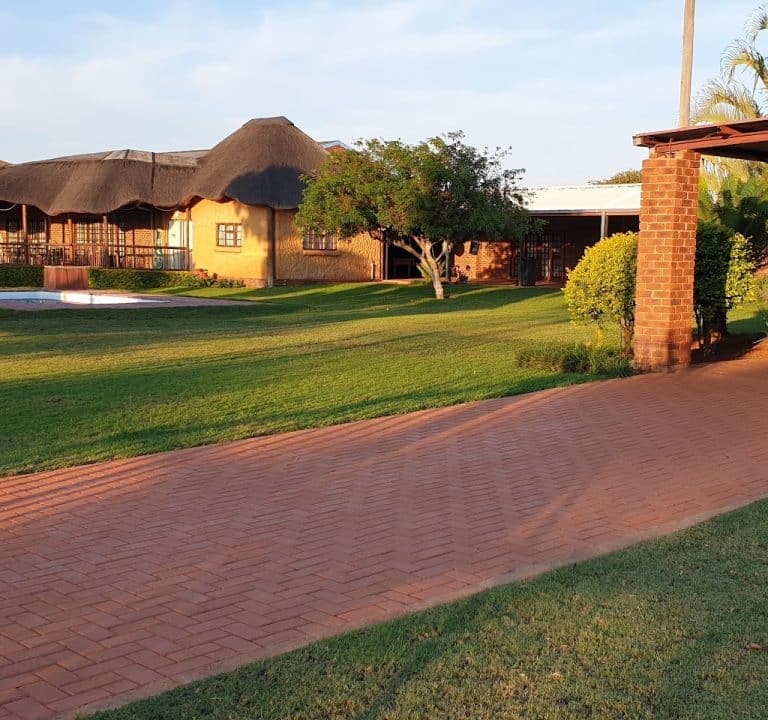
Typical amenities to look for include reliable air conditioning or ceiling fans (the region can be hot in peak season), secure parking, a refreshing pool, and on-site dining or easy access to nearby restaurants. Guest houses and lodges often include a warm, personalised service, while hotels can offer higher guest volumes and extra conveniences such as spa facilities, in-room fridges, and wake-up calls. If you have specific needs—like family rooms, wheelchair access, or space for pets—confirm these in advance and request written confirmation as part of your booking.
Planning your itinerary around Bela-Bela’s highlights helps maximise your stay. One key attraction is the natural thermal springs, which remain a popular draw for relaxation as well as a gentle outdoor experience. Pair a visit to the springs with a day trip into the Waterberg Conservancy or nearby wildlife reserves for guided game viewing, birdwatching, and scenic viewpoints. For those who enjoy scenic drives, the surrounding highveld landscapes offer sweeping vistas, interesting rock formations, and quiet picnic spots. If you’re staying within the town, you’ll still be able to observe farm life and local culture at a comfortable pace, with opportunities to sample regional produce at markets or family-run eateries.
Best time to visit Bela-Bela is guided by your interests. The dry winter months tend to offer pleasant daytime temperatures for outdoor activities and clearer wildlife viewing opportunities, while the summer season brings lush landscapes and occasional afternoon storms. Spring and autumn are generally temperate, making these seasons excellent for walking trails near the Waterberg plateau and for exploring on foot or by bicycle. If you’re heading to specific reserves or viewpoints, it’s wise to check the weather and reserve opening times ahead of your trip.
Transport and getting around: a private vehicle provides the most freedom to explore both Bela-Bela and the wider Waterberg area. Road quality is generally good, but plan for rural routes if you intend to venture into more remote reserves. If you’re relying on public transport, coordinate with your hotel or guest house for reliable transfers to major gateways or recommended day trips. Remember to carry ample water, sun protection, and a charged phone for navigation and emergencies.
Practical tips for a smooth stay in Bela-Bela:
- Book early during peak travel periods to secure preferred room type and location, especially if you want quiet surroundings or a poolside option.
- Read cancellation policies carefully in case plans change, and confirm inclusions such as breakfast, capacity for extra beds, or accessibility features.
- Ask about power supply and backup options, as some areas may experience outages during high-demand periods or seasonal weather events.
- Check local health and safety guidelines and carry basic medical supplies, particularly if you plan long outdoor excursions.
- Plan meals with a mix of on-site dining and nearby restaurants, noting that some guest houses can offer in-house meals while others partner with local eateries.
Dining in Bela-Bela ranges from casual cafés to more substantial eateries that highlight Limpopo flavours and fresh produce. Even if you’re staying in a guest house with evening meals, you’ll often find appealing options within a short drive or walk, with venues that focus on generous portions and regional dishes. For a relaxed holiday rhythm, arrange a couple of meals away from the hotel to experience different atmospheres and service styles, while keeping some home comforts in mind for busy days.
For more information and ideas about Bela-Bela and the Waterberg region, consult local tourism resources and official visitor pages. These sources can provide practical guidance on attractions, practicalities, and seasonal events, along with sample itineraries that suit families, couples, or solo travellers. A good starting point is to browse the Bela-Bela section of regional tourism sites and to review guest reviews from past visitors to understand what kinds of experiences other travellers found most enjoyable. More detailed planning can include day-trip options to the broader Waterberg landscapes, which are a hallmark of the Limpopo region.
When you’re ready to book, consider whether you prefer a tranquil guest house with a personal touch, a mid-range lodge with ample outdoor space, or a hotel with broader facilities. All paths offer convenient access to Bela-Bela’s thermal springs and the surrounding natural beauty, with a pace that invites you to unwind, explore, and return with lasting memories.
For further inspiration and practical planning, you can visit Bela-Bela’s official tourism pages and regional guides at Bela-Bela Tourism or South Africa Tourism.