Discovering Johannesburg: where to stay, what to do, and practical tips for visiting Gauteng
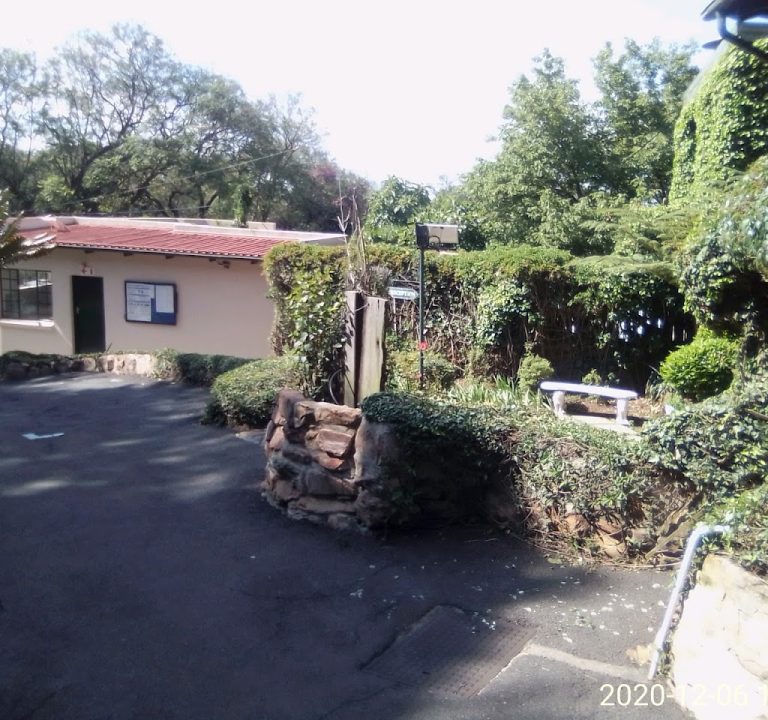
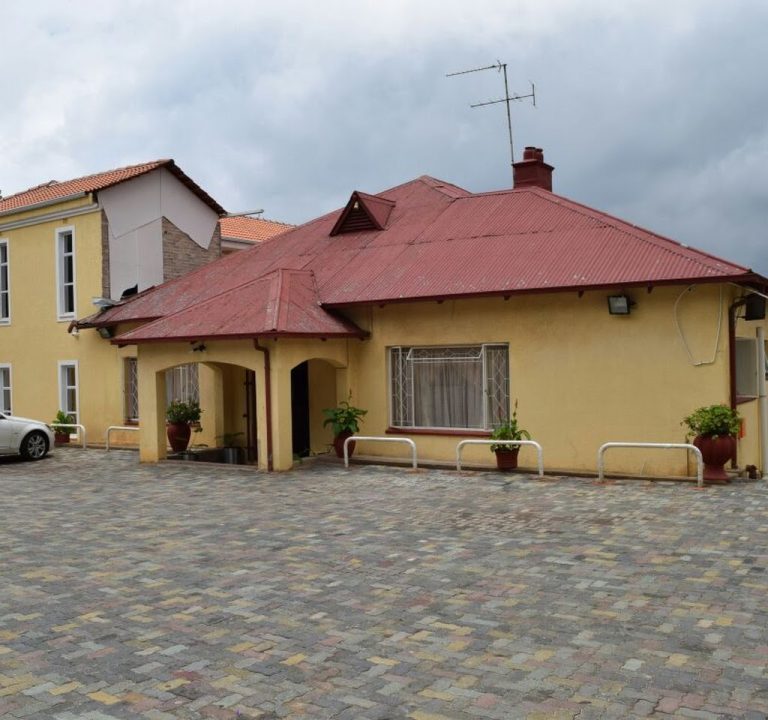
Johannesburg, or Jo’burg as many locals call it, is a lively gateway to Gauteng’s urban culture and rich history. When planning a stay, travellers often weigh accommodation style, neighbourhood character and transport links to get the most from their visit. From boutique guesthouses to mid‑range hotels and guest-friendly lodges, there are options to suit city explorers, business travellers and families alike. For example, Rambling Gardens Guest House represents the kind of indoor lodging that blends comfortable rooms with a personalised touch, offering a calm base within easy reach of busy city districts.
Areas to consider when booking include central districts with a mix of restaurants, galleries and nightlife, and quieter neighbourhoods that offer easier access to parks and green spaces. Sandton provides a polished business and shopping hub, Rosebank combines markets with modern dining, and Braamfontein or Melville offer a more bohemian, student‑driven atmosphere with cafés and live music. Maboneng Precinct, a vibrant creative district, gives a sense of the city’s contemporary energy, while areas closer to the inner city provide access to museums, theatres and historic sites. When selecting a base, think about how you plan to move around and which sights you most want to unwind near after a day of exploring.
Typical amenities to look for include reliable Wi‑Fi, 24‑hour reception or a responsive front desk, secure parking or convenient access to public transport, and ensuite bathrooms. Many visitors appreciate a small kitchen or kitchenette, a continental breakfast option, and optional extras such as a garden or terrace seating area, a gym, or a pool. If you’re travelling with family or colleagues, ask about family rooms, interconnecting doors, or flexible bed configurations. For business trips, proximity to conference venues, business districts, or co‑working spaces can be especially valuable. Reading guest reviews for clarity on noise levels, security, and the real daily routine of a property can help manage expectations.
Planning around transport is essential in Johannesburg. The city is served by a rail link known as the Gautrain that connects quickly to Pretoria and the OR Tambo International Airport, while Uber and other ride‑hailing services are widely available. If you’re renting a car, consider areas with secure parking and easy access to major roads, though many visitors find that a well‑located hotel or guesthouse near public transport reduces the need for driving in busy parts of the city. When you’re out and about, comfortable shoes, sun protection and light layers for changing weather will help you enjoy street markets, parks, and outdoor venues throughout the year.
Best time to visit Johannesburg tends to be in the southern hemisphere’s autumn and spring, when temperatures are comfortable and afternoon showers are less frequent than in the heart of summer. If you plan outdoor adventures or a full day of museum visits, consider late spring or early autumn to balance warmth with ample daylight. Rainfall peaks in the late summer months, so pack a light waterproof layer if your itinerary includes open‑air attractions or market days. For those seeking a more relaxed pace, winter can be pleasantly cool, with clear skies ideal for city walks and photography.
Attractions and experiences in and around Johannesburg are varied and rewarding, offering a blend of history, culture, and modern urban life. Museums and memorials provide context about South Africa’s past and its path toward democracy, while art galleries, markets and street‑level performances showcase contemporary creativity. The city presents opportunities to learn about the country through guided tours, curated food experiences, and architecture walks. For a fuller picture, combine visits to historical sites with time in contemporary neighbourhoods that emphasise design, hip cafés, fashion, and craft shops. Do note that specific venues and offerings may vary, and checking current events or seasonal markets ahead of your trip can help tailor your stay to current programmes.
Dining in Johannesburg offers a spectrum from casual bistros to stylish eateries. Many neighbourhoods feature coffee shops and casual lunch spots that pair well with afternoon strolls, while larger districts boast a selection of globally influenced and locally inspired menus. When choosing dining options, look for places with lively, safe environments, clear menus, and good reviews for consistency. If you’re staying near a market or a precinct known for dining, you’ll likely discover a range of dishes to suit different tastes and budgets without needing to travel far after a day of sightseeing.
Practical tips to enhance your trip:
- Book accommodation with easy access to well‑lit sidewalks, reliable security, and proximity to public transport routes or parking if you plan to drive.
- Check the neighbourhood ethos: some areas are vibrant with nightlife, while others are more residential and quiet after dark. Consider what pace of evening you prefer.
- Pack adaptors for South Africa (Type M) and a universal charger for devices, as plugs differ from the UK.
- Protect personal belongings and be mindful of safety tips advised by your host or accommodation provider, especially in central areas after dark.
- Time your activities to avoid peak traffic, particularly if you’re coordinating meetings, theatre shows, or restaurant bookings.
- Verify the cancellation policy and any breakfast or inbound transportation options at your lodging, which can influence daily plans.
- Keep a rough plan but allow spontaneity; Johannesburg’s streets, markets and sidewalks often reveal unexpected, rewarding viewpoints and conversations.
In summary, Johannesburg offers a wealth of options for accommodation and exploration. By choosing a well‑located base, weighing the practicalities of transport and safety, and planning around your preferred pace and interests, you can craft a stay that blends comfortable rest with the city’s dynamic energy. Whether you opt for a cosy guesthouse such as Rambling Gardens or a more contemporary hotel, you’ll find that the city’s breadth of experiences—from cultural landmarks to neighbourhood markets—can be enjoyed with ease and curiosity.