Accommodation and Experiences in Johannesburg, Gauteng: Where to Stay and What to Do
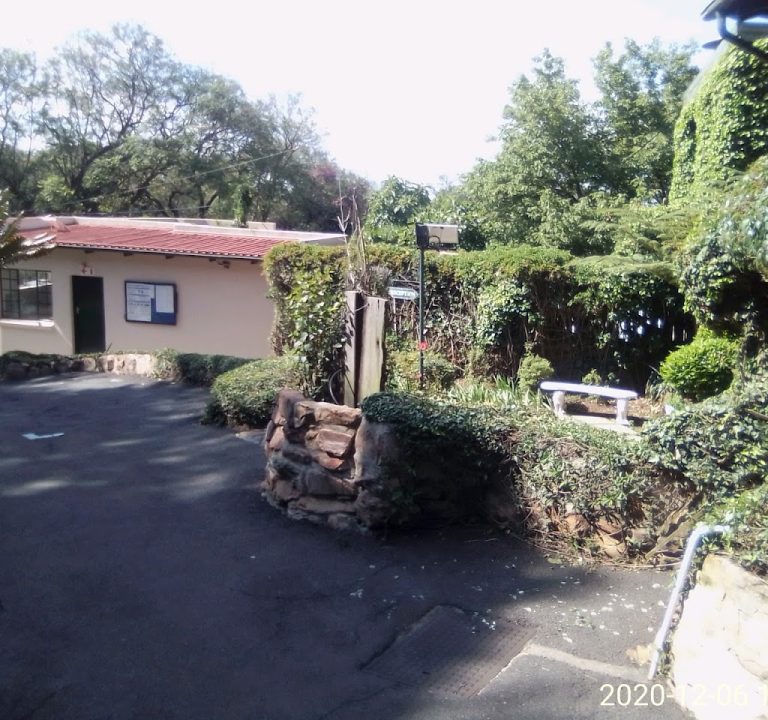
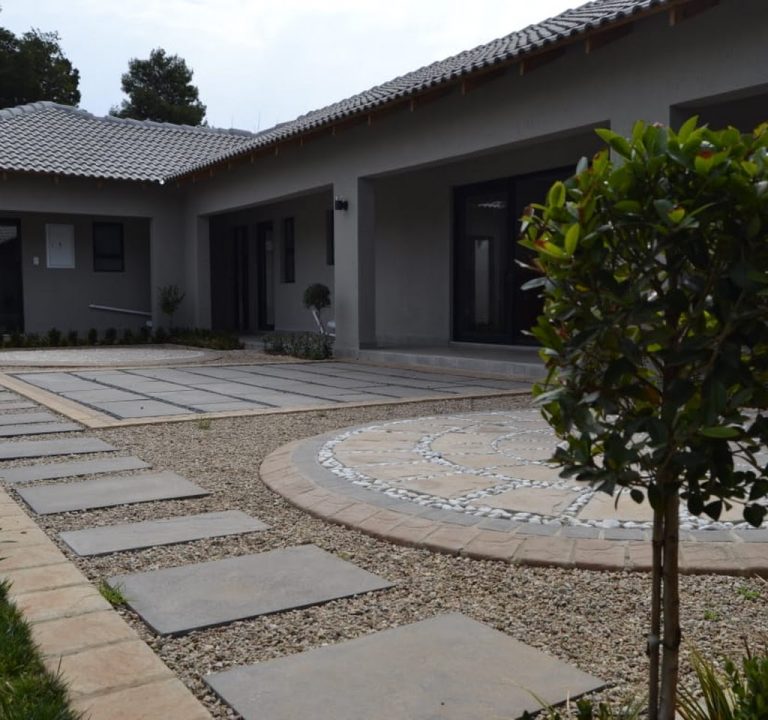
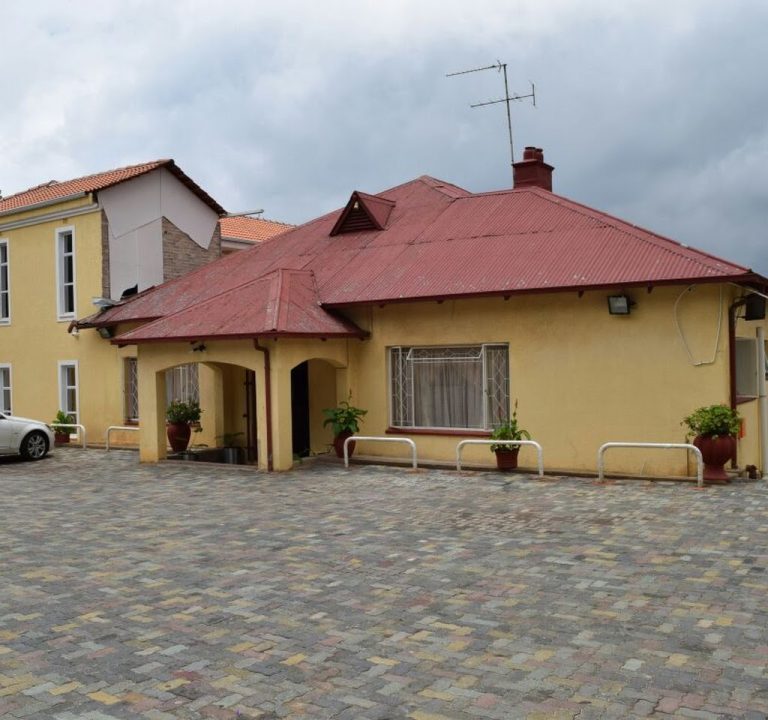
Johannesburg, often referred to as Jo’burg or Jozi, is a dynamic gateway to South Africa’s cultural and natural highlights. When planning a stay, many travellers choose a base that balances easy access to sights with comfortable amenities. In Johannesburg, lodging options range from leafy suburbs with boutique B&Bs to modern hotels and family-friendly guesthouses. One option to consider is High View Gardens, a lodging spot that offers a tranquil retreat within reach of the city’s most vibrant areas.
Areas to consider for your stay depend on what you want to experience. The northern suburbs, including Sandton and Fourways, are practical for business travellers and shoppers, with many contemporary hotels and serviced apartments. Rosebank and Melrose Arch offer a more cosmopolitan feel, with stylish dining and convenient access to public transport. For a touch of history and culture, the city centre and the Maboneng Precinct provide an energetic mix of galleries, eateries, and markets, while Soweto offers world-famous heritage sites and guided tours that illuminate South Africa’s past. When selecting accommodation, think about proximity to your planned activities, safety, and the character you want from your trip.
Typical amenities to look for include secure on-site parking or easy street access, reliable Wi‑Fi, breakfast options, and options for late check-in. For longer stays, a kitchen or kitchenette can be a big plus, as can laundry facilities. If you’ll be exploring at night, safety features such as secure entry, well-lit surroundings, and staff on-site can provide peace of mind. If you’re travelling with family or a group, a room layout with separate sleeping spaces or a self-catering unit can be very practical. When booking, check cancellation policies, accessibility features, and whether the property offers airport transfers or shuttle services, which can save time in a busy city.
Transport in Johannesburg is varied. The city is well served by an airport on the outskirts, with fast rail connections to northern business hubs. Within the city, taxis, ride-hailing apps, and car hire are common, and some areas are more walkable than others. If you plan to visit several neighbourhoods, staying near a major transport hub or in a well-connected suburb makes sense. For day trips, consider guided tours that cover Soweto, the Cradle of Humankind, and scenic viewpoints, or plan self-led days with a mix of markets, parks, and museum visits.
Best time to visit Johannesburg largely follows the South African climate. The winter months (May to August) bring cooler, dry weather with clear skies—great for sightseeing and sunsets. Spring (September to November) and autumn (March to May) offer mild temperatures and lighter crowds. The summer wet season (December to February) can bring warm days with possible thunderstorms, which can be dramatic but may affect outdoor plans. If you’re keen on outdoor activities or city markets, mapping your itinerary to the weather forecast can help you optimise your days.
Practical tips for a smooth stay:
- Book accommodation with clear information on security and parking arrangements.
- Choose a base with easy transport links to your priorities—business districts, museums, or markets.
- Factor in time for traffic, which can be variable, especially during peak hours.
- Consider guided neighbourhood walks or cultural experiences to gain context and safety.
- Pack layers for variable temperatures, especially if visiting higher elevations or open-air venues.
When it comes to dining and experiences, Johannesburg offers a diverse culinary scene and a thriving arts culture. In general terms, you’ll find everything from modern bistros and traditional South African eateries to vibrant street food and coffee shops. For a broader sense of the city’s dining landscape, look for venues that source regional ingredients and showcase South African flavours alongside international influences. Museums, galleries, and markets provide opportunities to connect with local designers, craftspeople, and performers, while parks and viewpoints offer excellent spots for sightseeing and photography.
For planning resources, start with city tourism pages and official visitor information, which can offer maps, suggested itineraries, and practical tips. If you’re staying at a lodging option such as High View Gardens, check their guest information for recommended neighbourhoods, nearby eateries, and transport tips tailored to guests. It’s also worth exploring reputable travel websites and guidebooks that provide balanced, up-to-date guidance on safety, neighbourhood feel, and transport options. With thoughtful planning, Johannesburg can be a comfortable, engaging base for exploring Gauteng and beyond. For general inspiration and practical details, consider official tourism sites and trusted travel guides linked through reputable portals.
Useful links for planning your stay and exploring Johannesburg include official city and provincial tourism pages, as well as regional hospitality networks. Examples of broad resources you may wish to consult include tourism-focused websites that cover accommodation, dining, transport, and experiences in Gauteng and Johannesburg. These can help you tailor a stay to your interests while keeping practical considerations in view. For a specific lodging choice, such as High View Gardens, you may wish to visit the property’s own site or trusted booking platforms to compare options and read recent guest feedback.