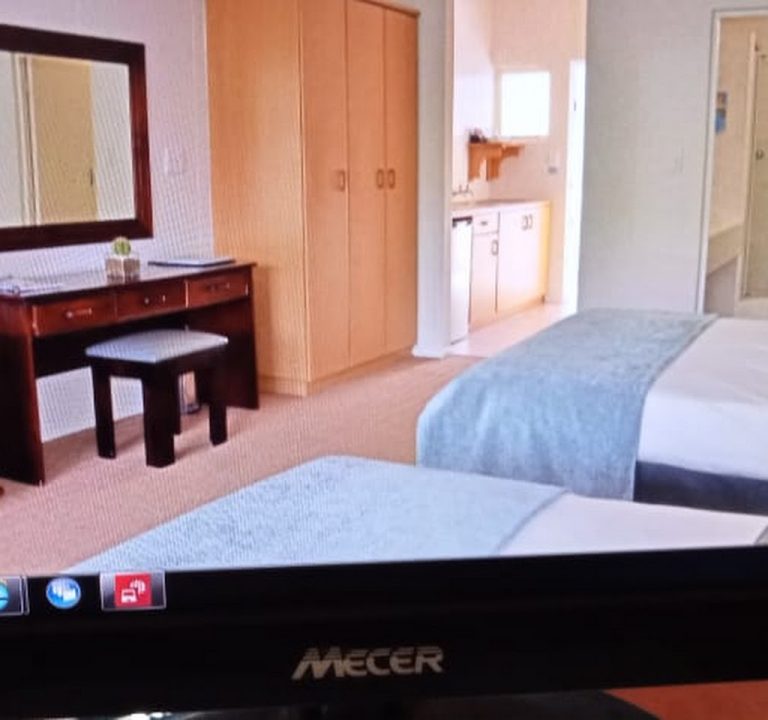
Durban, KwaZulu-Natal: Where to stay and what to do for a balanced Durban experience
Durban offers a vibrant mix of beachfront glamour, leafy residential streets, and lively districts with a distinctly warm, harbour-town vibe. When choosing accommodation in this coastal city, consider how you want to combine easy beach access with the convenience of city centres. Serviced options such as Ramble Rest can provide a reliable home base for longer stays, offering privacy and flexibility alongside hotel-style services. Whether you are travelling for business, a family break, or a relaxed foodie escape, there are choices to fit most itineraries and budgets.
Key neighbourhoods to think about include the Golden Mile and Point precinct along the city’s acclaimed beaches, which are popular for easy sea views, strolls along the promenade, and proximity to both casual eateries and more formal dining. The Berea and Morningside areas are a short drive from central Durban and typically offer a mix of boutique guesthouses, modern apartments, and hotels set in tree-lined streets. River-facing or inland pockets around Glenwood and Musgrave can give you a calmer, more residential atmosphere while still keeping you within easy reach of urban amenities. If you plan to spend long days on the coast or visiting family in outlying towns, uMhlanga, Umhlanga Rocks, and nearby La Lucia present resort-style options with generous facilities and straightforward access to the freeway network.
When you book, look for a few practical essentials. A well-equipped kitchen or kitchenette can save money on meals, while reliable Wi‑Fi is essential if you need to work or stay connected. A comfortable bed, quiet rooms, good air conditioning or ceiling fans, and secure parking are small details that noticeably improve a Durban stay. For families, check for child-friendly spaces, such as safe outdoor areas and laundry facilities. If you are travelling with mobility considerations, verify elevator access and step-free routes. Beachfront stays often promise easy access to the promenade and public transport links, but quieter inland options can offer a calmer base after busy days touring the city.
Typical amenities common to many Durban properties include daily housekeeping, on-site parking, laundry services, and friendly reception staff who can offer local tips. Some serviced accommodations also provide a small gym, business lounge, or communal outdoor spaces for socialising. If you value on-site dining, you’ll find a range of options nearby, from casual seafood spots along the coast to more refined restaurants in mixed-use precincts. For guests who enjoy privacy, a serviced apartment or a well-appointed guesthouse can provide the convenience of a hotel with the comforts of home.
Transport in Durban is efficient enough to base your stay in one area and travel by car or taxi to most sights. The city has a moderate compactness compared with longer-distance destinations, and you’ll find ride-hailing services convenient for short hops around the coast or into the central business district. If you plan day trips, renting a car gives you flexibility to explore the Valley of a Thousand Hills, the rolling scenery of accounts-filled inland routes, or the inland Midlands with its markets and craft hubs. Public transport is available but less central to a relaxed holiday pace, so many visitors prefer private transport or organised excursions for longer trips.
Best time to visit Durban combines two appealing seasons. The city enjoys warm, tropical conditions most of the year, making it a great winter sun destination for visitors from cooler climates. The peak beach season in the southerly months can be busier, but it also means more opportunities for seaside dining, markets, and live music along the coast. The summer rainfall is usually brief and refreshing rather than heavy, though it can be humid; many travellers plan outdoor days for early morning or late afternoon to avoid the strongest sun. If you enjoy quieter periods, aim for the shoulder seasons when gardens are lush and attractions are easier to access without crowds.
Attractions to consider as part of your plan include the long, sandy beaches and the revitalised Golden Mile for a stroll or family-friendly activities. The harbour and promenade areas offer views of ships and the city skyline, with plenty of casual cafés and eateries along the way. Museums, cultural centres, and markets provide a window into Durban’s diverse communities and culinary scene. Day trips can extend your stay to nearby natural reserves or rural towns where you can learn more about the region’s Zulu heritage, craft markets, and scenic countryside. For dining, Durban’s offerings span coastal seafood shacks, modern bistros, and fusion concepts reflecting the region’s multicultural influences—perfect for a relaxed evening after a day of sightseeing.
- Consider your priority: beachfront access, quiet residential streets, or proximity to transport hubs
- Check for practical comforts: kitchen facilities, parking, reliable Wi‑Fi, and air conditioning
- Assess accessibility: elevator access, step-free routes, and proximity to lifts or ramps if needed
- Plan transport: ability to source rides easily or rent a car for day trips
- Factor the season: best times for weather, crowds, and special events
Durban offers a welcoming mix of accommodation styles and a broad spectrum of experiences. With thoughtful planning around location, convenience, and the rhythm of your days, you can enjoy both a comfortable base and easy access to the city’s attractions and flavours. Websites for accommodation or local tourism information can help you compare options, check current availability, and tailor your stay to your preferred pace and interests.