Durban, KwaZulu-Natal: Where to stay and what to do
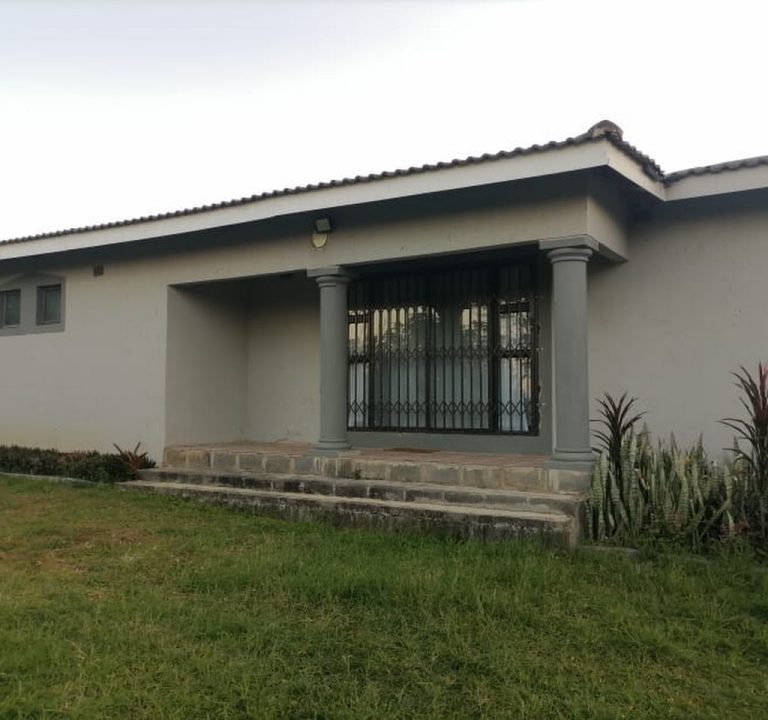
Durban is a vibrant coastal city that blends golden beaches with a rich cultural tapestry and excellent South African hospitality. When planning a stay, consider choosing a neighbourhood that matches your itinerary and pace. The beachfront areas along the Golden Mile offer easy access to sun, surf and promenade strolls, while Berea and Morningside provide a more residential feel with boutique cafés and convenient transit links. If you’d like a cosmopolitan vibe with a touch of nightlife, Durban North or the more central parts of the city can be practical bases for exploring markets, gardens and museums. For a calmer escape, some suburbs near the coast balance quieter streets with short drives to attractions and nature reserves. A lodging option such as Queens And Kings Lodge represents the kind of stay some visitors seek: comfortable, characterful rooms with friendly service within accessible reach of the city’s sights.
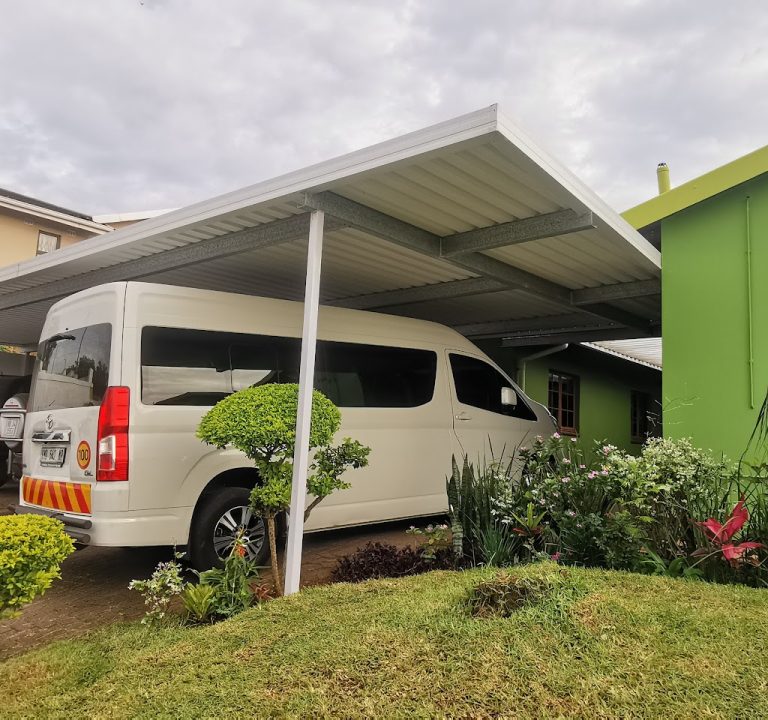
Accommodation options in Durban span guesthouses, lodges, boutique hotels and self-catering apartments. When selecting a place to stay, balance location with the pace of your visit. A seafront or harbour-adjacent stay offers instant access to beaches and scenic walks, but you may trade a little peace for busier evenings. A central or inland stay can cut down on transfers if you plan day trips to wildlife parks or heritage sites. Look for properties that provide secure parking if you’ll hire a car, or those within easy reach of public transport if you’ll rely on buses and ride-hailing services. Many visitors appreciate properties that offer breakfast, reliable Wi‑Fi, and thoughtful touches such as air conditioning for warmer months and heaters for cooler evenings.
Typical amenities you might encounter include en-suite bathrooms, well-equipped kitchens or kitchenettes, tea and coffee facilities, and access to a communal lounge or garden. For longer stays, a property with a kitchenette or self-catering option can be convenient, while those seeking a social atmosphere may prefer a guesthouse with a shared dining area or a small on-site restaurant. Evaluate parking arrangements, especially if you plan to explore beyond the immediate area. If you’re travelling with children or friends, ask about family rooms, cots, or sofa beds, and whether the property can accommodate late check-in if your flight arrives late.
Transport in Durban is practical and varied. The paved beachfront walkways and major roads are easy to navigate by car or taxi, and ride-hailing services are widely used. Public transport exists, including bus routes, though coverage may be more limited in some suburbs. If you’ll rely on transit to explore, choose accommodation near an active bus corridor or a hub where taxis and ride-hailing services are readily available. For day trips to natural parks, nature reserves, or cultural sites outside central Durban, a car or organised tour is often the most convenient option.
The best time to visit Durban blends warm sea temperatures with comfortable city weather. The summer months bring longer days and inviting beaches, but they can also be the busiest and most humid, with occasional thundershowers. Winter is mild and drier, making it a good choice for sightseeing and outdoor markets without the crowds of peak season. Consider local events and regional festivals when planning your stay, as these can enrich your visit with music, food and crafts without shifting your plans dramatically.
Practical tips to help you plan and enjoy Durban include budgeting for meals and attractions, but also pacing your days to avoid heat or fatigue. Stay hydrated, use sun protection, and seek shade during peak sun hours. Tipping is customary in many service settings, so a small tip for good service is appreciated. When exploring markets and eateries, bring cash in the local currency for smaller vendors, and be mindful of local etiquette around bargaining in some informal markets. For safety, keep valuables secure and be mindful of crowded places, particularly in tourist hotspots and nightlife districts.
Attractions and dining experiences in general terms offer a rich mix. Durban’s coastal strand promises beaches and swimming, while the harbour and nearby reserves invite nature lovers and wildlife watchers. Families and groups can enjoy museums, botanical gardens, and casual strolls through vibrant neighbourhoods that reflect KwaZulu-Natal’s diverse cultures. Dining ranges from traditional curries and braai-style meals to modern bistros and seaside eateries. In such a varied city, a balanced itinerary might pair a day of outdoor activity with evenings exploring markets, street food and laid‑back restaurants along the coast or in central districts.
- Check guest reviews for cleanliness, responsiveness, and the ability to accommodate special requests (early check‑in, late check‑out, or dietary needs).
- Confirm proximity to transport hubs or main roads to quickly access beaches, parks or business districts.
- Look for flexible booking policies in case travel plans change, especially during peak seasons or festival periods.
- Ask about parking options if you’re driving, or the nearest reliable public transport routes and ride-hailing options.
- Consider a mix of accommodation types if you’re staying for a week or more, to enjoy both social spaces and quiet rest.