Durban: accommodation options and practical planning for a comfortable stay
Durban, on the eastern coast of KwaZulu-Natal, blends subtropical sunshine with a rich blend of cultures, making it a versatile destination for a short break or an extended stay. When selecting accommodation, consider the atmosphere you want and how easy it should be to access the beach, the city’s attractions, and the wider region. Durban offers a spectrum of options from intimate guest houses to mid‑range hotels and boutique lodges, with a growing selection of stylish, traveller‑friendly stays in residential neighbourhoods as well as near the coast.
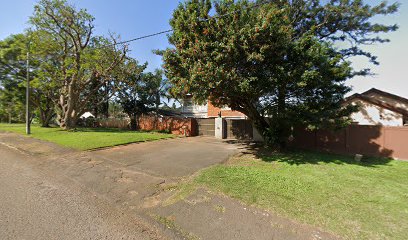
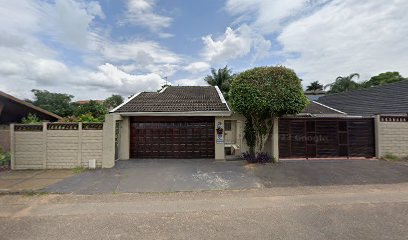
One appealing option for visitors seeking a home‑from‑home experience is a guest house or B&B in quieter residential areas. Places such as Noway House exemplify a small, locally run operation that prioritises friendly service, comfortable rooms, and a sociable breakfast atmosphere. These properties often provide practical insights into the neighbourhood, helping guests feel like a short‑term local while retaining privacy and space. When booking, look for hosts who offer flexible check‑in/checkout times, clear guidance on transport links, and easy access to nearby eateries or cafés.
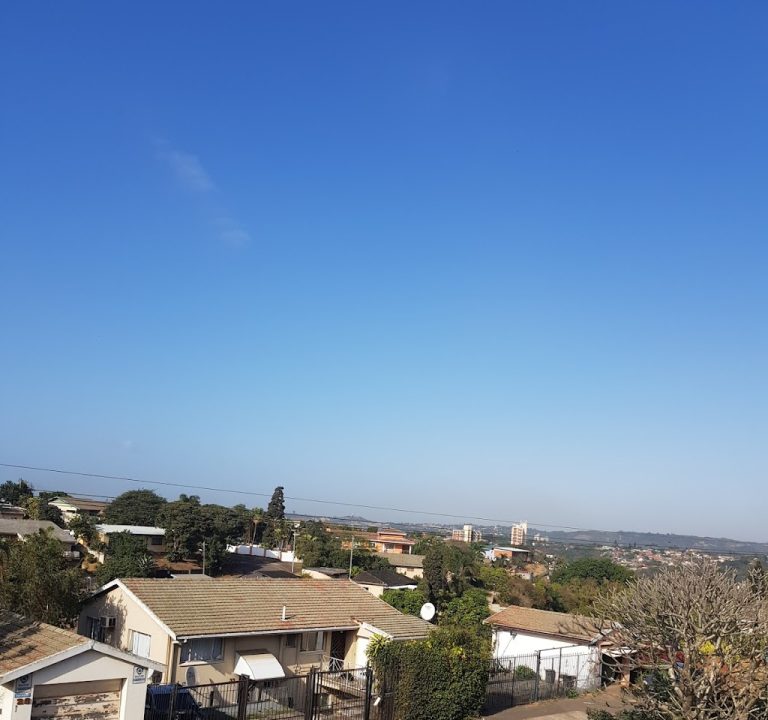
Neighbourhoods to consider depend on what you want from your stay. The coastline around uMhlanga and the Golden Mile is ideal for beach lovers and families, with straightforward access to the sea and a string of stroll‑worthy spots along the promenade. The central and northern Berea, including areas close to the city centre, can be convenient for travellers who want a quick hop to business services, markets, and vibrant dining scenes. For a lush, scenic retreat, the inland hills and valleys offer lodges and guest houses with serene views and easy day trips to nature reserves or cultural experiences. If you are after a lively urban atmosphere with bars and restaurants within walking distance, look for accommodation in or near Morningside, Greyville, or Glenwood, where access to public transport is typically good and walkable options multiply after dusk.
Typical amenities to expect, and why they matter, include reliable Wi‑Fi, secure parking or clear guidance on street parking, and good breakfast options when you stay in a guest house or small hotel. Most travellers value en suite bathrooms, climate control or fans for Durban’s warmth, and a private or semi‑private outdoor space where possible. Laundry facilities, airport pick‑ups, and on‑site kitchens or communal spaces can be real time‑savers, especially for longer trips. If you rely on public transport, check how far the property is from bus or rail links and whether a taxi or ride‑hailing option is readily available in the area.
Transport in Durban is well served by a combination of roads, rail links, and ride‑hailing apps. The MyCiTi bus network covers several routes across the city and suburbs, while intercity travel can be arranged via coach services or private transfers. If you plan day trips—whether to the nearby hills, nature reserves, or coastal towns—consider staying in a central location with easy access to major routes. For guests who drive, confirm whether the property offers on‑site parking or safe street parking, and whether there are any local parking restrictions to be aware of during your stay.
Best time to visit Durban is influenced by the climate and the kind of activities you enjoy. Summers (roughly November to February) bring warm, humid weather with the possibility of brief showers; they are excellent for beach days and outdoor markets. The cooler, drier months (May to August) can be comfortable for exploring the city on foot, visiting museums and markets, or taking inland day trips. If you plan to include a coastal hike or a drive along scenic routes, early mornings can be ideal to avoid heat and crowds. Pack light layers, sun protection, and a light rain jacket for the occasional shower.
When planning a stay, it helps to outline a flexible itinerary that balances rest with discovery. Durban’s coastline offers broad sandy beaches and a variety of promenade activities, while inland attractions can include hillside viewpoints, nature reserves, and cultural experiences that showcase the region’s heritage. Consider booking a couple of longer, slow days in your itinerary to enjoy your host’s breakfast, a leisurely afternoon by a terrace, or a short stroll to nearby cafés and eateries. Restaurants in Durban range from traditional South African and Indian‑influenced kitchens to modern, casual bistros offering seafood, grills, and vegetarian options. Rather than focusing on specific venues or menus, aim to identify places that fit your mood—easygoing beachfront spots for a relaxed lunch, or a vibrant dinner zone within reach of your accommodation for evenings out.
Practical tips for a smoother stay:
- Confirm the accessibility of your accommodation to the places you plan to visit, including transport times and peak traffic windows.
- Ask about breakfast options, parking, and any security features such as gated access or camera systems.
- Check local event calendars for major markets, music events, or cultural happenings that may affect traffic or available dining slots.
- Bring a lightweight adaptor and consider a portable charger for long days of sightseeing.
- Keep a small amount of local currency for markets or casual purchases, even if most venues accept cards or digital payments.
Durban is a destination where pace matters as much as place. By choosing a well‑located base, selecting a comfortable stay with realistic transport options, and planning a balanced mix of beach time, cultural exploration, and relaxed meals, visitors can enjoy a memorable experience that feels both relaxing and energising. For more inspiration on Durban’s tourism offerings, reputable local tourism pages and city guides can help you tailor an itinerary that aligns with your interests and travel rhythm.
Website resource: https://www.durbantourism.co.za