Durban: Where to stay, what to do, and how to plan your visit
Durban, on KwaZulu-Natal’s sunny east coast, blends subtropical sunshine with rich cultural heritage and a coastline that draws visitors year‑round. When planning a stay, many travellers start by choosing a neighbourhood that aligns with their interests, from beachside relaxation to vibrant markets and family-friendly adventures. The city offers a range of accommodation options, including boutique B&Bs, guesthouses, mid‑range hotels, and modern aparthotels, all with varying access to beaches, eateries and transport links.
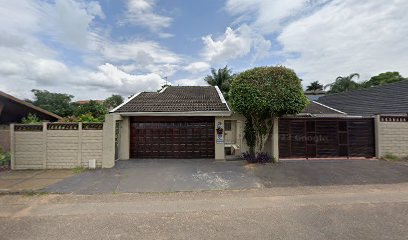
One appealing option for travellers who like a personal touch is a bed and breakfast in Durban. B&Bs often combine comfortable rooms with home‑cooked breakfasts and an intimate, neighbourhood feel. They can be particularly convenient for first‑time visitors who want local knowledge and tips from hosts about best times to visit popular sites, where to find fresh produce at markets, and suggestions for off‑the‑beaten‑path experiences. Themed or characterful B&Bs, including those with garden spaces or easy access to the coast, can provide a calm base after a busy day of sightseeing.
Areas to consider, depending on your priorities, include:
- Golden Mile and central Durban: Proximity to the beachfront promenade, restaurants, and a lively urban atmosphere.
- Durban South and Berea: Quieter residential streets, often with leafy views and easy access to local cafes and markets.
- Umhlanga and the north coast: A more resort‑style feel with sandy beaches, modern hotels, and higher‑end dining options, often popular with families and couples planning longer stays.
- Grey Street and the central business district: A gateway to cultural sites, markets, and historic architecture, with a broader choice of affordable stays.
What to look for when booking your Durban stay is as important as the location. Look for a comfortable, well‑maintained room with good natural light, reliable power and hot water, and a clean bathroom. A reasonable breakfast, where included, can save time in the morning and set you up for a day of exploring. Confirm whether the accommodation offers parking if you are renting a car, or if there are convenient transport links to your planned activities. If you plan to explore at night or travel between neighbourhoods, check how close you are to safe walking routes or accessible transport options.
Typical amenities worth seeking include free Wi‑Fi, a well‑equipped kitchen or kitchenette if you anticipate self‑catering, air conditioning during the hot summer months, and secure entry or on‑site staff. Some properties offer laundry facilities, which can be helpful for longer stays. Public spaces such as courtyards, verandas, or swimming pools are good extras for downtime between trips to the coast or markets. Host recommendations or a local guide book can elevate your stay by pointing you toward authentic eateries and experiences off the standard tourist trail.
Getting around Durban is straightforward but planning ahead saves time. If you are staying near the coast, you may be able to walk to beaches, promenades, and cafes. South Beach, the Golden Mile, and adjacent precincts are popular for strolls, wildlife‑watching along the coast, and easy access to family‑friendly attractions. For longer day trips or if you prefer not to drive, consider reputable guided tours or day passes for public transport where available. The city is well connected by a mix of taxis, ride‑hailing services, and bus routes, with car rental a sensible option for exploring further afield such as neighbouring nature reserves or small coastal towns.
The best time to visit Durban is dictated by weather and crowd levels. The city enjoys a subtropical climate with hot, humid summers and mild winters. The peak tourist season runs from December to February, when particularly warm conditions suit beach days, outdoor markets, and water‑based activities. Shoulder seasons in spring or autumn offer pleasant weather with fewer crowds and often more affordable accommodation rates. If you plan to visit at different times of the year, consider flexible cancellation policies and any seasonal maintenance that could affect pool or garden facilities.
When organising activities, Durban presents a mix of natural, cultural, and culinary experiences. The coastline offers opportunities for surfing, swimming and sunset strolls along the promenade. Inland, you can explore markets where local crafts, spices, and street food provide a sensory snapshot of KwaZulu‑Natal life. Cultural centres and museums provide insight into the region’s history and communities. For food lovers, the dining scene ranges from traditional South African braai and seafood eateries to modern restaurants and casual cafes serving vibrant, fresh ingredients sourced from nearby markets. Checking for dietary accommodations and local specialties ahead of time can help you plan enjoyable meals with family or friends.
If you are looking for a starting point, you can visit Durban’s official tourism pages for ideas on itineraries, maps, and practical travel tips. The city’s accommodation providers frequently offer local guides or curated suggestions to help visitors balance time between beaches, markets, and day trips. For those staying in B&Bs such as Vubela B&B, a stay can feel personalised and locally rooted, with hosts who can share insider knowledge about areas to explore, the best times to visit popular spots, and practical tips for a comfortable, relaxing visit.
In summary, Durban can be enjoyed as a relaxed coastal escape or as a gateway to inland adventures. By choosing the right neighbourhood, confirming essential amenities, and planning transport and timings, you can tailor a stay that suits your pace, budget, and interests. For further reading and planning ideas, consult Durban’s tourism resources and selected accommodation partners online, and consider tailoring your trip around the balance of beaches, markets, culture, and family‑friendly attractions that make KwaZulu‑Natal special.