Discover Mokopane: A Practical Guide to Staying and Exploring in Limpopo
Nestled in the heart of Limpopo, Mokopane offers a mix of friendly B&Bs, guesthouses and lodge-style stays that appeal to travellers seeking authentic South African hospitality, close proximity to nature and straightforward access to regional attractions. Whether you arrive to unwind after a long journey or as a base for day trips into the surrounding reserves, the town and its neighbourhoods provide a welcoming backdrop with a distinctly Limpopo flavour.
When planning a stay, consider the different areas around Mokopane. The town centre tends to have a concentration of guesthouses and small hotels with easy access to shops, cafés and services. Rural and wildlife-adjacent locations nearby can offer a more tranquil ambience and easy routes to nature reserves and scenic viewpoints. If you are travelling with family or a group, look for accommodations that offer generous communal spaces, self-catering facilities or flexible room configurations. Business travellers may favour properties with reliable Wi‑Fi and convenient transport links to major roads and nearby towns.
What to look for when booking a stay in Mokopane includes creature comforts and practicalities that help you feel at home. Check whether the property provides private parking, secure access, and information about local transport options. Many smaller B&Bs and guesthouses include breakfast, and some offer evening meals or curated dinner experiences, which can be a real convenience after a day of exploring. Enquiries about accessibility, child-friendly features, and pet policies are worth noting if relevant to your plans. A clear cancellation policy and transparent pricing also help avoid unexpected costs during peak travel periods.
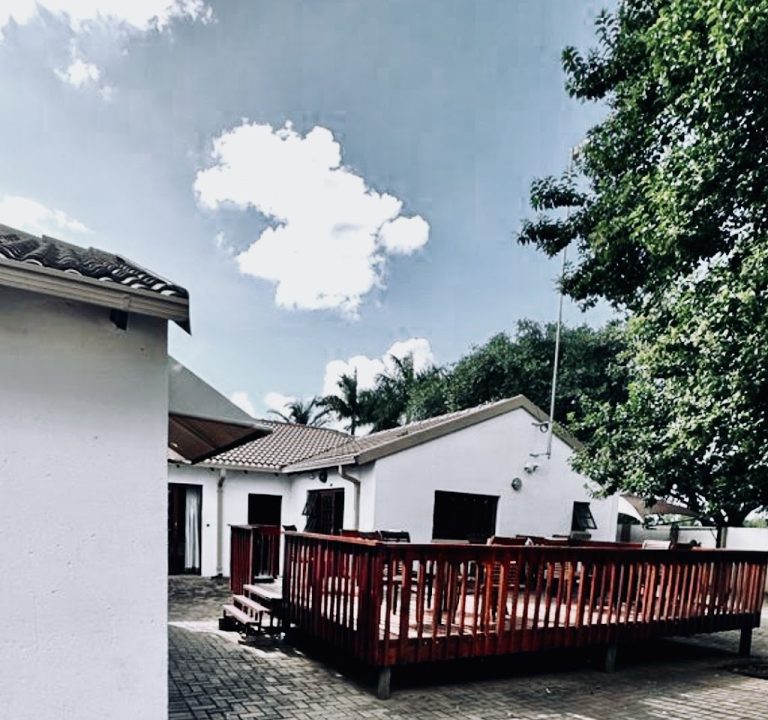
Typical amenities you might encounter include comfortable en-suite or private bathrooms, air conditioning or ceiling fans, tea and coffee facilities, and a cosy lounge or veranda for socialising. Some properties provide outdoor spaces such as patios or gardens, which are ideal for sunlit mornings and sundown conversations about the day’s adventures. If you plan to drive, ask about parking arrangements on arrival and whether the property can assist with recommendations for local routes and traffic patterns.
Transport in and around Mokopane is straightforward but benefits from a little planning. The town is connected by a network of regional roads, and hiring a car remains the most convenient way to reach nearby reserves, markets and dining spots at your own pace. If you prefer not to drive, inquire about available transfer services or local taxi options, and check whether your accommodation can help you arrange day trips. Public transport is limited compared with larger cities, so having a flexible plan is wise.
The best time to visit Mokopane depends on your interests. For wildlife enthusiasts, the drier winter months tend to offer clearer game viewing conditions in nearby reserves, with cooler daytime temperatures. If you favour birdwatching or lush landscapes, the wetter summer period brings vibrant greenery and seasonal streams, though it can bring higher humidity and afternoon showers. Spring and autumn are often pleasant for outdoor activities and comfort, making these periods popular with travellers seeking a balanced climate.
For a well-rounded stay, plan to combine your accommodation with light but memorable activities. In and around Mokopane, you can expect a mix of nature-based experiences and authentic cultural encounters. Nature reserves and wetlands nearby provide opportunities for easy hikes along well-marked trails or guided interpretive walks that reveal the region’s biodiversity and landscape history. Community-run markets and small artisan stalls offer handicrafts and fresh produce to browse at a relaxed pace. Museums and cultural centres in the wider area can provide insightful context about the region’s heritage and traditions, helping travellers understand the land and its people before venturing further afield.
Restaurant experiences in Mokopane are often straightforward and welcoming, with many outlets focusing on hearty South African favourites, grilled meats, and comforting family dishes. You’ll encounter places that prioritise fresh, local ingredients and a hospitable, relaxed atmosphere. Whether you choose a cosy café for a light lunch, a lodge restaurant for a more substantial dinner, or a guesthouse dining room that showcases home-style cooking, you can expect generous portions and a friendly service ethos. If you are planning group meals or special dietary requirements, it’s worth confirming in advance with your host or restaurant staff to ensure suitable options are available.
Sample planning checklist for a Mokopane stay:
- Determine your base: town centre for convenience or a quieter lodge setting outside the town limits.
- Agree on breakfast and meal arrangements; check if evening meals are offered on-site or nearby.
- Plan a day trip to a nearby reserve or nature area and identify practical driving routes.
- Pack for variable weather: lightweight clothing for day trips and a light layer for cooler evenings.
- Bring a pad or app for jotting down suggestions from hosts about local dining and hidden gems.
Practical tips to help you make the most of your visit: book ahead during peak seasons and school holidays, especially for popular weekends; read guest reviews to pick properties with good transport links and reliable Wi‑Fi; and ask hosts for personalised recommendations—many Mokopane hosts are well connected to the surrounding attractions and can tailor itineraries to your interests. While you plan, keep in mind that a well-chosen stay can significantly enrich your experience of Limpopo, balancing comfortable accommodation with easy access to the area’s natural beauty and warm, welcoming South African hospitality. For those seeking a relaxed, authentic stay that is easy to organise, Mokopane and its neighbouring areas offer a practical and enjoyable base from which to explore the wider region.