Mokopane: A Practical Guide to Staying, Eating and Exploring in Limpopo
Nestled in the Waterberg region of Limpopo, Mokopane (also known as Potgietersrus) offers a gateway to nature, culture and rural South African life. When planning a stay here, think about where you want to base yourself, what kind of pace you prefer, and how you intend to balance restful downtime with light adventures. The town serves as a convenient launchpad for day trips into nearby wildlife reserves, scenic landscapes and traditional markets, while also providing a range of accommodation styles to suit different budgets and travel aims.
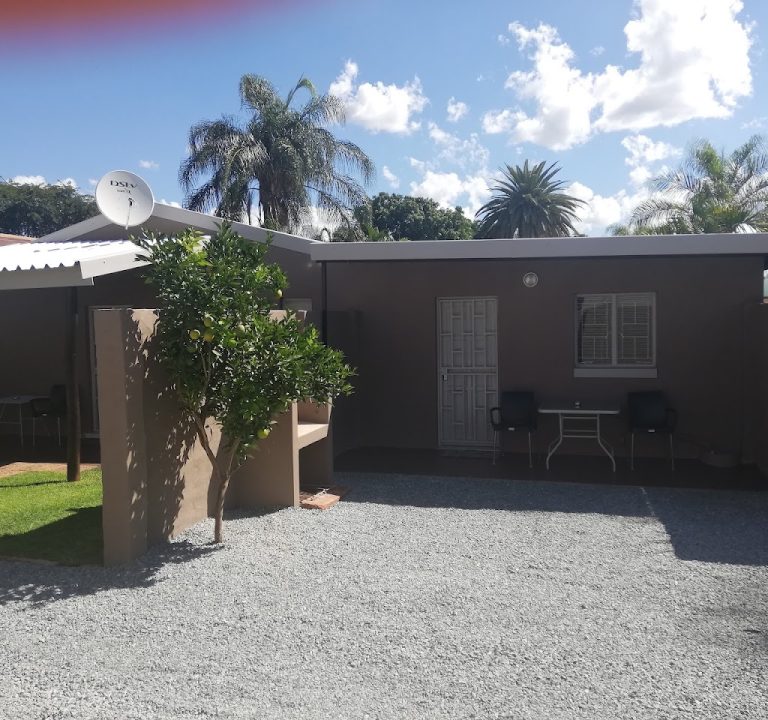
Accommodation in Mokopane ranges from intimate guesthouses and B&Bs to mid-range hotels and self-catering lodges. A practical strategy is to pick a base with easy access to the routes you plan to use for day trips. If you arrive by road, consider staying in central Mokopane where local cafés and shops are within walking distance or short drives away. For those home-staying in a more rural setting, look for properties with clear directions, on-site parking and a host who can share regional tips and transport options. A well-run guesthouse such as a bona fide local option (often marketed as guesthouse and accommodation) tends to emphasise comfortable rooms, secure parking, and a welcoming atmosphere, which can make a big difference after long travel days.
Key areas to consider when choosing where to stay include:
- Central Mokopane: convenient for accessing markets, eateries and road networks.
- Outlying, rural lodges or guesthouses: often closer to nature reserves and quieter at night.
- Proximity to attractions: some properties market themselves as ideal bases for short excursions to wildlife parks or cultural sites.
- Access to transport links: road connections and nearby taxi or shuttle options can simplify day trips.
Typical amenities to look for when booking include en-suite bathrooms, reliable Wi-Fi, secure parking, on-site dining or easy access to local eateries, air conditioning or fans for Limpopo’s warm days, and a clear check-in/check-out policy. A host-directed stay—where breakfast is offered, or where staff can assist with arranging transfers or guided outings—adds real value, especially for first-time visitors. If travelling with family or a group, check for family rooms, space to relax, and a kitchen or kitchenette for self-catering possibilities.
Planning your transport in Mokopane is straightforward but benefits from clarity before arrival. If you are self-driving, ensure your chosen accommodation provides sufficient parking and that your route to nearby reserves or viewpoints is easy to navigate. If you plan to use public transport or arrange day tours, ask hosts about recommended operators and pick-up points. Some visitors enjoy hiring a car for the flexibility to explore at their own pace, while others prefer guided day trips that include transfers from the hotel or guesthouse. When researching, confirm the distance from your lodging to key sights and the typical travel times to avoid tight schedules during hot afternoons.
The best time to visit Mokopane for a comfortable balance of wildlife viewing, culture and outdoor activity tends to be the months outside the peak heat of mid-summer. Late autumn through spring usually offers milder days and cooler evenings, ideal for longer daytime excursions and evening strolls. If you plan to explore nature reserves or engage in outdoor pursuits, always check seasonal conditions and any local advisories. In peak tourist periods, booking ahead is wise, particularly for popular lodges or guesthouses that include meals or guided experiences.
Practical tips to make the most of your stay: stay hydrated, especially during warmer days, and carry a lightweight layer for cooler evenings. Respect local customs and conserve water and energy where possible, as rural lodging owners often operate with a strong sense of hospitality and sustainability. When dining out, you’ll find a range of options from casual eateries to more traditional restaurants offering a taste of Limpopo’s flavours—perfect for winding down after a day of exploration. If you prefer self-catering, many guesthouses provide kitchens or pantry access, letting you prepare simple meals with fresh, locally sourced ingredients.
Aside from accommodation, Mokopane offers a variety of experiences suited to different interests. You can expect traditional markets and shops where crafts and produce are traded, giving visitors a sense of daily life in the region. For nature lovers, nearby reserves and landscapes provide opportunities for birdwatching, short bush walks, and scenic drives. Food lovers can enjoy regional dishes and seasonal ingredients sourced from nearby farms. For a balanced itinerary, plan a couple of relaxed mornings at your accommodation, followed by a longer outing to a reserve or a local attraction, and then an evening at a welcoming restaurant or a quiet spot back at your lodging.
When booking, consider a stay that will offer a comfortable base with practical support from the host, a sense of the local area, and opportunities to join guided experiences or tours if you wish. A well-chosen Mokopane base can make the difference between a routine trip and a memorable, restorative South African experience. For more information and ideas, you can visit regional tourism pages or contact established lodgings directly through their websites.
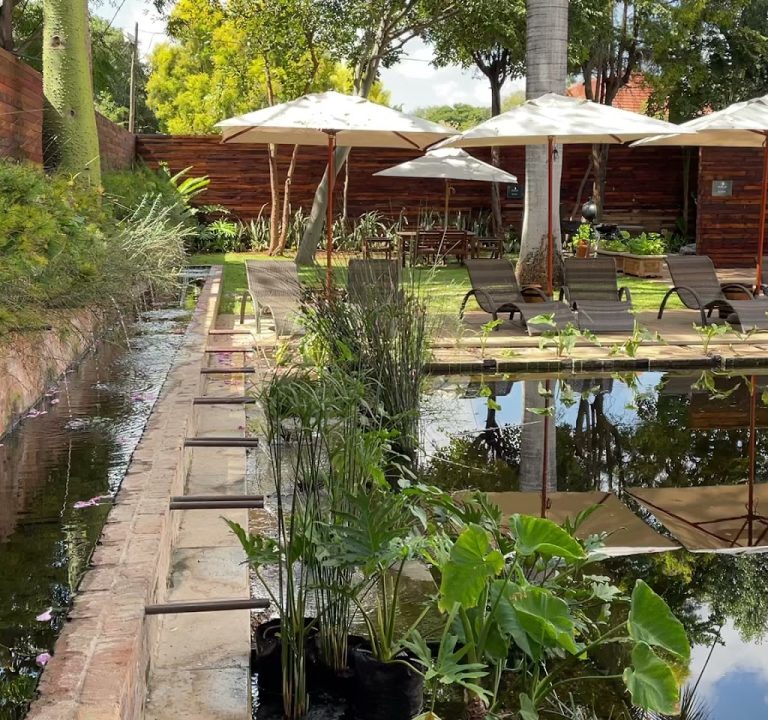
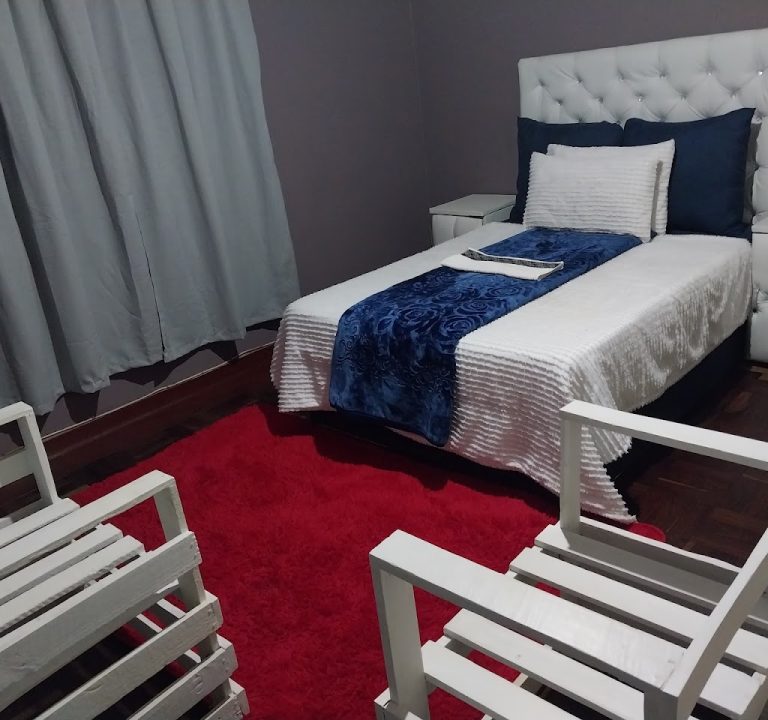
Example accommodation in Mokopane might include a guesthouse or apartment-style option described as comfortable, well-located and family-friendly, with the hallmark of a warm welcome and practical amenities. A dedicated website or page for such properties can provide photos, room layouts, dining options and guest reviews to help you compare your choices and plan an enjoyable stay in Limpopo.