Newcastle, KwaZulu-Natal: A Traveller’s Guide to Accommodation and Experiences
Newcastle in KwaZulu-Natal sits on the edge of the Drakensberg foothills, offering a relaxed stopover with a mix of historical charm and rural scenery. The town provides a range of places to stay, from intimate bed & breakfasts to guesthouses and larger lodges that cater to visitors seeking comfort after a day exploring the region. When planning a visit, it helps to know which neighbourhoods and types of accommodation align with your itinerary and budget, and what you should look for when you book.
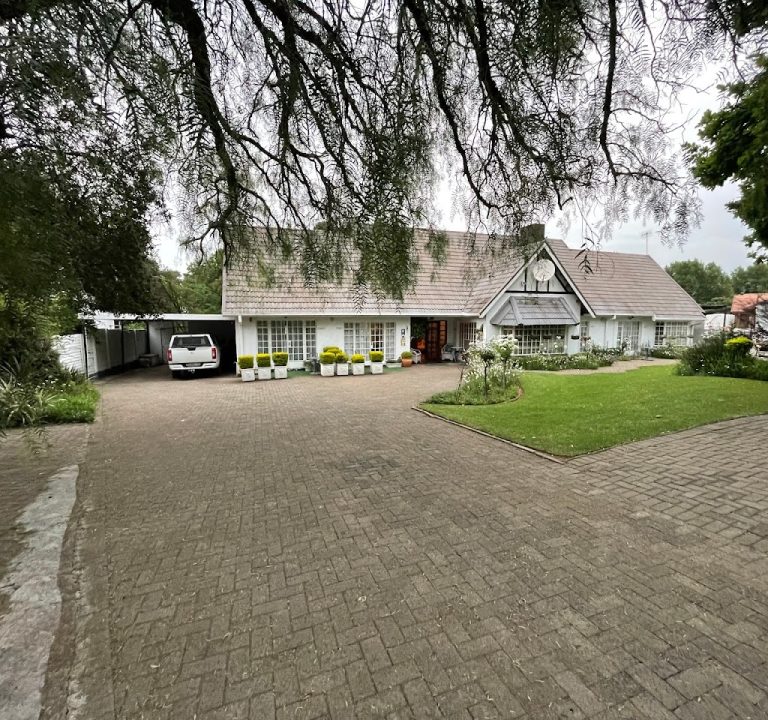
Areas to consider. The central business district and surrounding pockets are convenient for travellers who want to be close to shops, cafés and the town’s services. If you prefer a quieter base, you’ll find several guesthouses and country-style lodges on the outskirts or in surrounding rural lanes, where views of the hills and open skies can be an appealing backdrop to your stay. For easy day trips to the Drakensberg foothills or the nearby battlefields, a location with straightforward road access and reliable parking can save time and stress once you’re on the road.
What to look for when booking. When choosing accommodation, think about practicalities and what will make your days smoother. Proximity to major roads and local taxi or car hire options can be important, especially if you plan to explore the wider region. Look for clear information on parking availability, security, and late arrivals. Consider whether you’ll benefit from a guesthouse that offers breakfast, which can save time before a day of sightseeing, or a self-catering option if you prefer flexibility. If you value a personal welcome, a traditional bed & breakfast often pairs hospitality with comfortable rooms and local tips from the hosts. For longer stays or family trips, some properties offer family rooms, suites, or self-contained units with kitchen facilities.
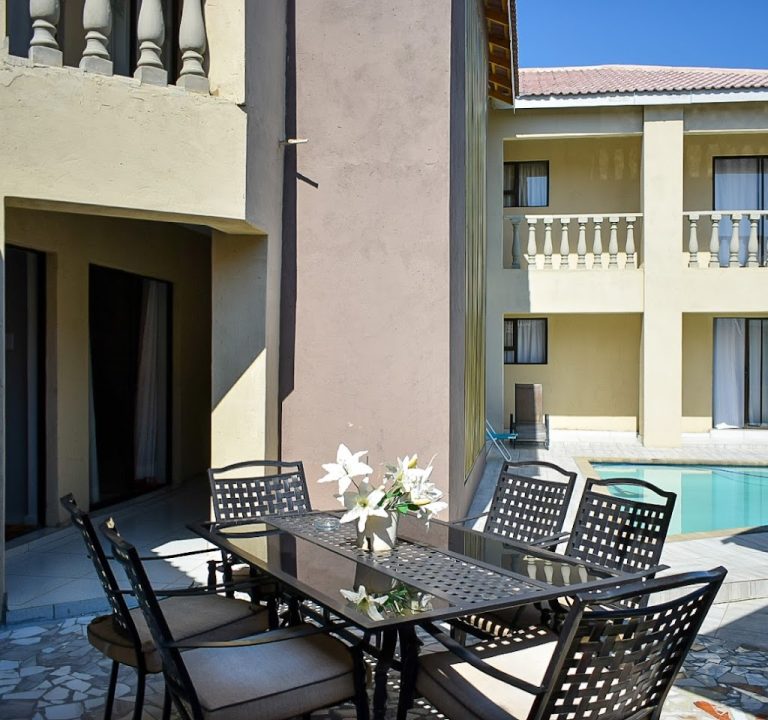
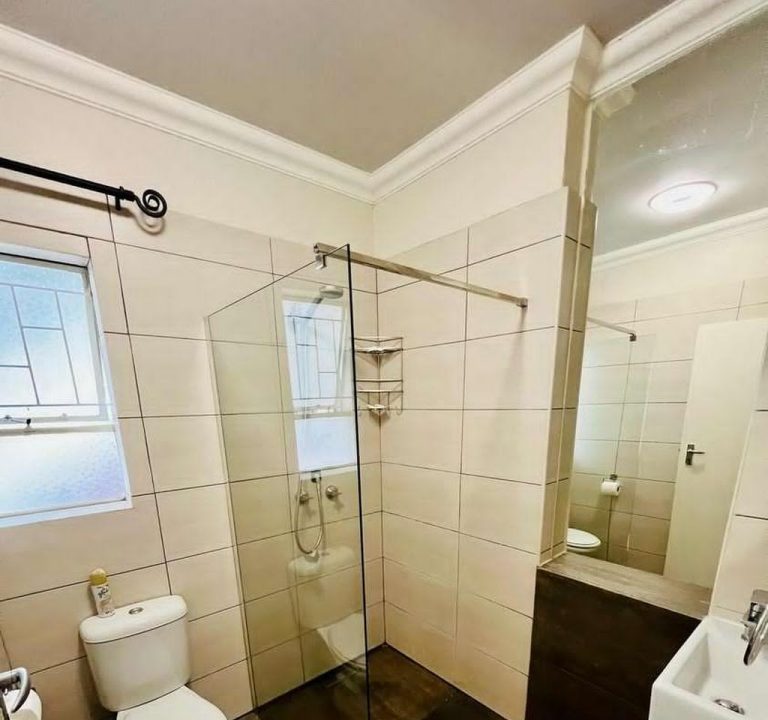
Typical amenities. Expect a mix of features depending on the property style. Common inclusions are Wi-Fi, secure parking, a private or shared lounge area, and grounds or gardens where you can unwind. Many places provide breakfast as part of the rate, and some offer additional meals or light snacks. Outdoor spaces are frequently a highlight, with garden seating, braai/barbecue facilities, and, in warmer months, a pool. Clean, well-equipped en-suite bathrooms, good heating or cooling options, and reliable hot water are practical considerations during all seasons. If you’re travelling with pets or children, check pet policies and child-friendly facilities in advance.
Transport and getting around. The town is workable on foot for short strolls into the centre, but a car or organised transfers are usually the easiest way to reach surrounding attractions and day trips. The N3 corridor nearby connects you to larger towns and the province’s golden-age towns, while local routes take you toward hills, dams, and nature reserves. If you plan activities in the countryside or in more remote areas, a vehicle with adequate space and comfortable seating is recommended. Speak with your host about local transport tips, including the best parking practices at major sights and the most convenient drop-off points for activities.
Best time to visit. Newcastle’s climate tends to be mild in the cooler months and warm to hot in summer. Summer (roughly October to March) can bring rain showers and occasional thunderstorms, which can be welcome for escaping the heat yet require rain gear and flexible plans. Winter is typically cooler and dry, making it pleasant for outdoor adventures and city strolls. Peak travel periods include school holidays and public holidays, so booking in advance is prudent to secure preferred rooms and rates.
Practical planning tips. A little organisation goes a long way when planning a stay in Newcastle. Confirm what is included in your rate (breakfast, daily cleaning, laundry service, or Wi‑Fi) and whether there are any extra charges for use of facilities such as the pool or braai area. Check the cancellation policy in case plans change, and ask hosts for tips on local eateries, markets, and day trips. For guests seeking authenticity, a stay at a traditional B&B often provides a sense of place and conversation with hosts who can suggest less-touristy experiences such as scenic walks, nearby farms, or historical sites.
Nearby attractions and dining. While exact venues change over time, Newcastle offers a blend of cultural and natural sights that can suit diverse interests. You might find museums and heritage sites that illuminate the region’s history, along with parks or reserves ideal for a morning walk or an afternoon picnic. For meals, look for casual cafés, modern bistros, and traditional eateries that showcase local produce and comfort dishes. In general terms, plan some downtime to enjoy meals at recommended neighbourhood spots and to explore the town’s market or street-food options during your visit.
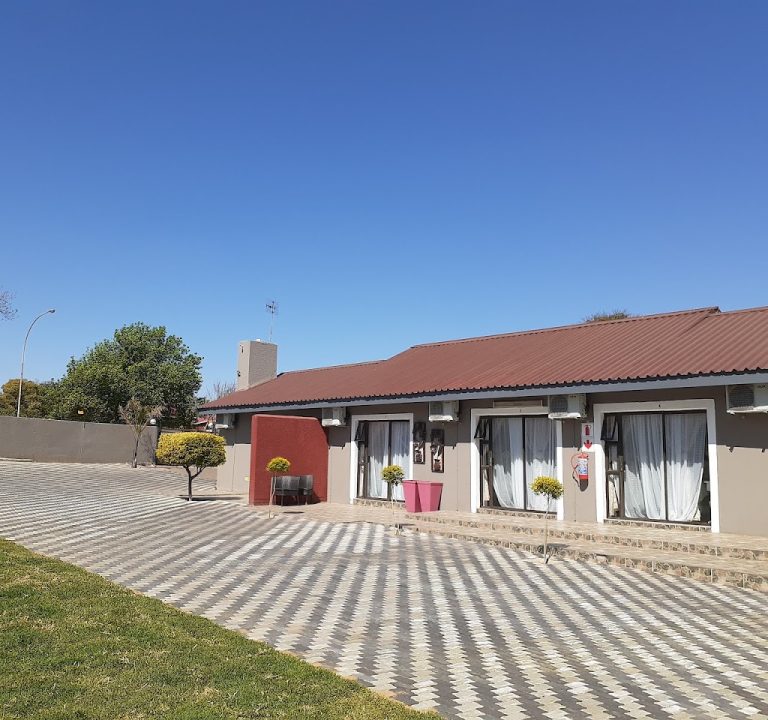
Sample accommodation option (illustrative). A modest Bed & Breakfast such as a typical Protea Guest House-styled property can reflect the character of a traditional stay: comfortable rooms, a morning breakfast service, and a friendly host ready to share local insights. Such properties usually emphasise warmth and value, with straightforward access to the town’s amenities and nearby countryside, making them well suited to travellers who appreciate personal attention and uncomplicated planning. When evaluating options, consider how the setting aligns with your pace of travel and the type of experience you want to collect from your Newcastle visit.
- Choose a location based on your planned activities (town centre for convenience vs. countryside for scenery).
- Confirm breakfast availability and kitchen facilities if you prefer self-catering.
- Check parking, security, and accessibility for late arrivals.
- Ask about local transport options and distance to major sights.
- Book ahead for peak seasons and special events to secure the best rates and availability.