Newcastle, KwaZulu-Natal: accommodation, attractions, dining and practical planning tips
Newcastle in KwaZulu-Natal offers a relaxed mix of historical charm and modern convenience, framed by the rolling hills of the Highveld and the broader landscapes of the Drakensberg region. When planning a stay, consider the areas that best suit your travel style. The town centre is convenient for shopping, eateries and heritage sights, while suburbs closer to the surrounding countryside can offer a quieter stay and easier access to nature trails. For guests seeking a balance between easy dining options and a genuine feel for the town, self‑catering and guesthouse options in residential neighbourhoods often provide the best value and a more local ambience.
Accommodation types in Newcastle range from self‑catering apartments and cottages to guesthouses and small hotels. Self‑catering units, such as compact flats or full apartments, are well suited to visitors who prefer to prepare their own meals after a day of sightseeing or hiking. Look for essentials such as a well‑equipped kitchenette, reliable wifi, a private entrance, secure parking, and clear information on nearby supermarkets and laundries. Guesthouses and B&Bs frequently offer a continental breakfast or a light meal, and some may provide on‑site parking, comfortable communal spaces and helpful local tips. When booking, read recent guest reviews to gauge the consistency of housekeeping, the reliability of wi‑fi, and the responsiveness of the host or manager.
Key amenities to prioritise include secure parking or easy street parking, good heating or cooling depending on the season, and straightforward access to major roads or taxis to reach surrounding attractions. If you plan to explore on foot or by car, consider how close your base is to the town centre, business districts, hospitals or medical facilities, and railway or bus links. Newcastle’s location makes day trips to nearby countryside and historic sites quite feasible, so a well‑placed base can maximise your time and minimise long transfers.
Transport around Newcastle is practical for most visitors. If you are relying on public transport or guided tours, choose a property that is within a comfortable walk of the main streets or has good taxi access. For visitors renting a car, confirm parking arrangements and street‑level restrictions in the area you select. In hot or rainy seasons, check for shade, a fan or air conditioning, and a covered outdoor area where you can relax after outdoor activities. For families, look for child‑friendly bedding configurations, safety features, and proximity to parks or playgrounds.
Best time to visit Newcastle is influenced by climate and local events. The region experiences warm summers and cooler winters, with the possibility of rainy spells in certain months. Spring and autumn can be particularly pleasant for outdoor exploration, with milder temperatures and less intense heat. If your schedule is flexible, consider aligning outdoor activities with the drier parts of the year to make the most of hiking trails and scenic drives. If you enjoy markets, historical tours or regional cuisine, check local listings for organised events and seasonal openings to enhance your stay.
When planning your itinerary, mix natural beauty with cultural touches. Short walks or conservation areas around Newcastle reveal grasslands, viewpoints and established trails that showcase the region’s landscape. For a broader sense of place, you might include a visit to museums or heritage houses that highlight the town’s history and the influence of trade routes in KwaZulu‑Natal. Dining options at a mid‑range level typically offer a blend of local flavours and familiar favourites, with many eateries focusing on bread‑and‑butter classics, grilled meats, and garden‑fresh salads. In general terms, look for places that source ingredients locally and offer relaxed atmospheres, especially if you are travelling with family or a small group.
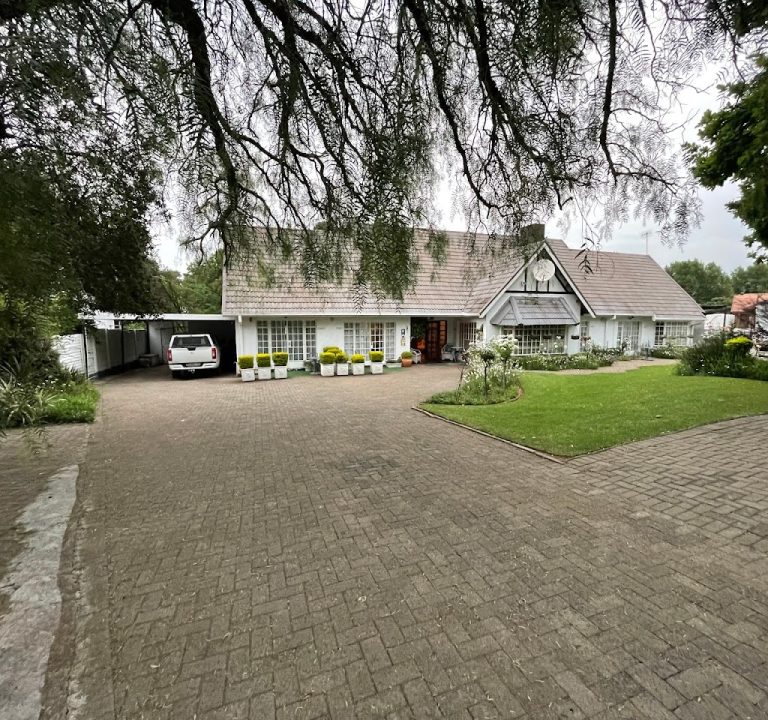
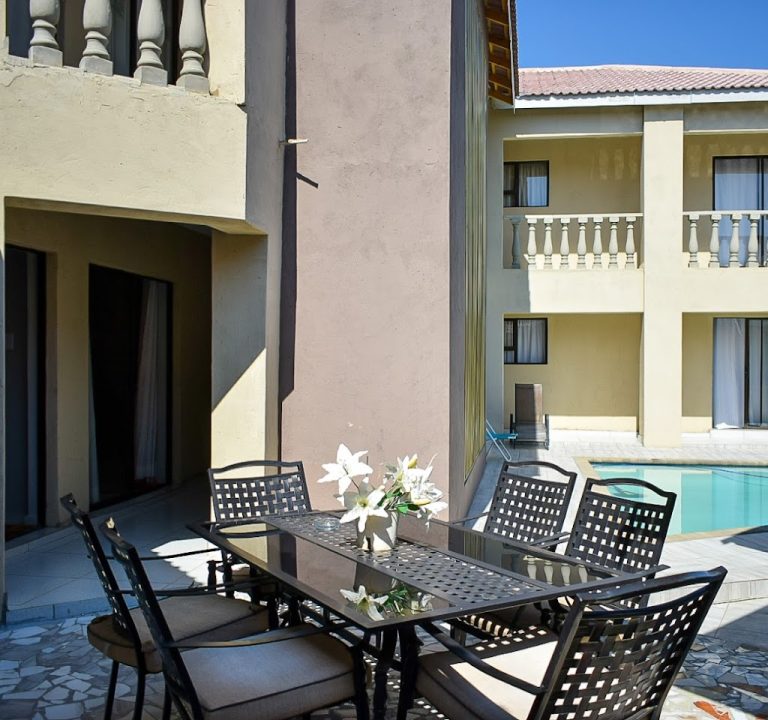
One practical example of accommodation in the area is a self‑catering option housed in a comfortable, well‑maintained unit that emphasises privacy and convenience for guests. Such properties can be particularly appealing for longer stays or for guests who prefer a home‑from‑home feel. A dedicated site for this style of accommodation presents photos, floor plans, and practical details that help travellers gauge whether the space will meet their needs. If you are curious about self‑catering options in Newcastle, you can explore the following example as a starting point: De Witte Loft.
Practical planning tips to make the most of your stay:
- Check the property’s cancellation policy and any minimum stay requirements, especially if you are travelling during peak periods.
- Ask about kitchen facilities, including the availability of a stove, oven, fridge, microwave, and essential utensils.
- Confirm parking arrangements and security features, particularly if you will be driving or renting a vehicle.
- Request a local map or trusted recommendations for dining, groceries, and activities to minimise time spent researching on arrival.
- Plan a balanced itinerary that includes a mix of outdoor activities, cultural experiences and downtime to simply enjoy the surroundings.
Whether you are in search of a cosy base near the town centre or a more serene retreat on the edge of the countryside, Newcastle offers a range of accommodation suited to diverse styles and budgets. By focusing on practical essentials, reading recent guest feedback, and choosing a location that aligns with your planned activities, you can ensure a comfortable and memorable visit to this KwaZulu‑Natal town. And with thoughtful planning, your time in Newcastle can be both convenient and enriching, providing a calm hub from which to explore the wider region.