Plettenberg Bay: where to stay, what to see and how to plan your visit
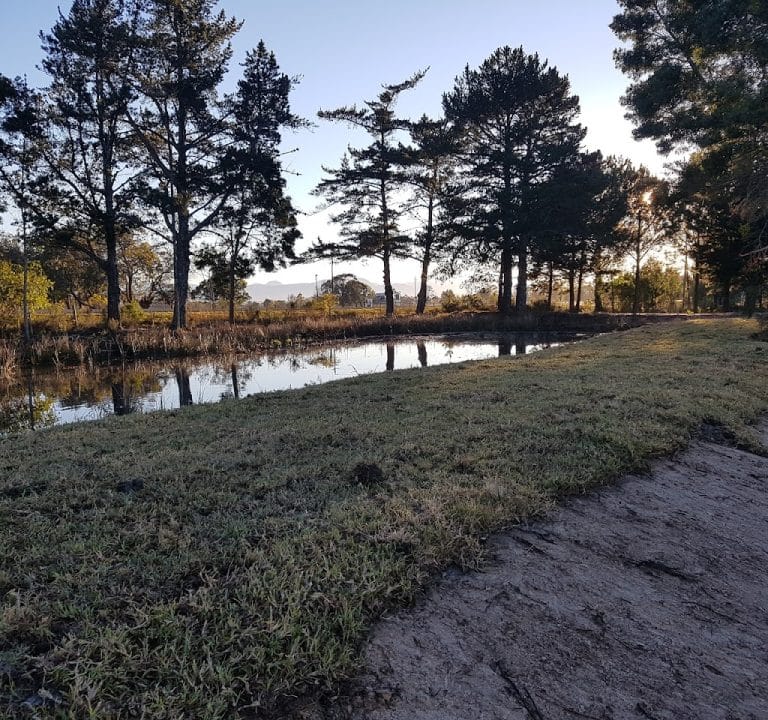
Plettenberg Bay, on South Africa’s scenic Garden Route, blends sun-drenched beaches, forested hills and a relaxed coastal charm that’s ideal for a short break or a longer escape. When planning a stay, the first decision is where to base yourself. The town centre offers easy dining and access to beaches, while nearby pockets such as the Crags or the Keurbooms area provide quieter, more rural atmospheres and stunning natural scenery. Take a flexible approach: you can mix lodging styles during a single trip to balance comfort with adventure.
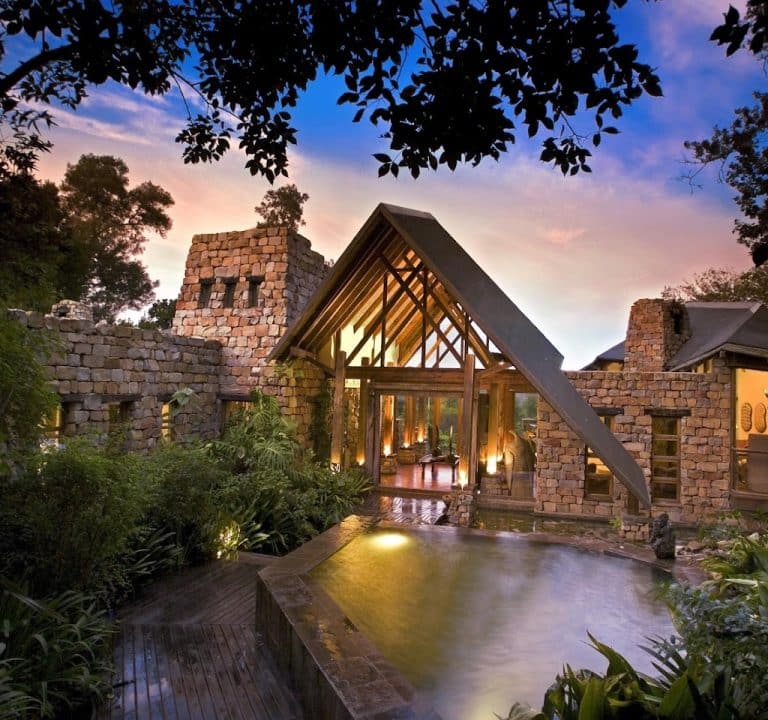
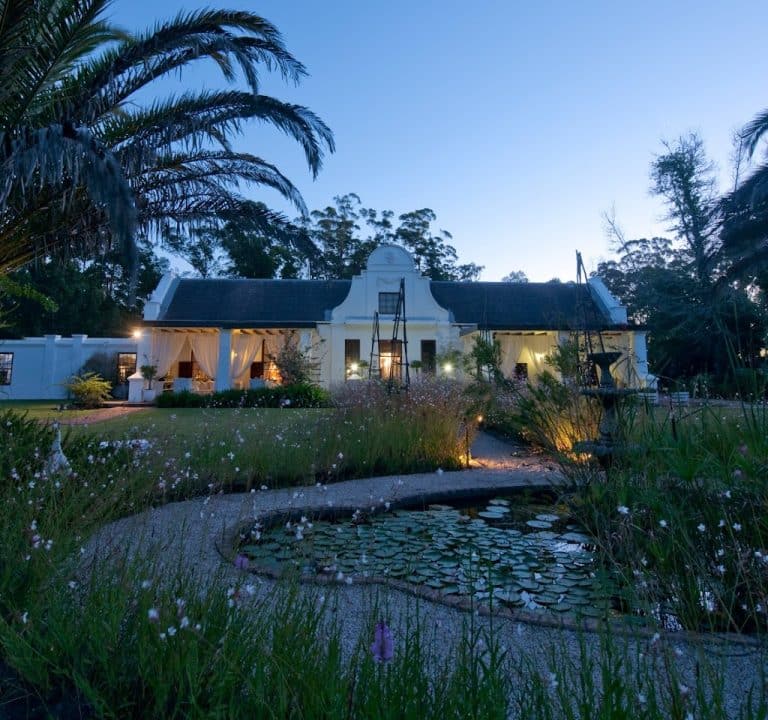
Accommodation options range from boutique hotels and guesthouses to self-catering villas, eco-lodges and countryside retreats. In Plettenberg Bay you’ll find properties that suit different budgets and preferences, many with sea or river views and easy access to the coast. For travellers seeking a distinctly intimate setting, a stay at a lodge or a small guesthouse near the forest can offer a peaceful backdrop for day trips to the beaches and reserves. For families or groups, self-catering cottages and larger homes with multiple bedrooms provide a practical base with the convenience of home-from-home facilities.
Key areas to consider include:
- Town centre and Main Beach: convenient for beach walks, casual dining and easy access to shops and supermarkets.
- Robberg Peninsula and reserve fringes: great for dramatic coastal scenery, seal sightings and trail walks.
- The Crags: a little way inland, with forested hills, chalets and lodges that offer privacy and a slower pace.
- Keurbooms River and resort strips: riverside views, family-friendly beaches and a calm environment.
When booking, look for amenities that match your plans. Essential comforts often include reliable Wi-Fi, secure parking, and well-equipped kitchens or kitchenettes if you’re self-catering. En-suite bathrooms, air conditioning or ceiling fans, and heating can make a big difference for comfort during the hot summers or cooler evenings. Beach access or a short walk to the shore is a common plus, as are outdoor spaces such as verandas, balconies or private gardens. If you’re organising a wedding or a multi-family stay, some venues in the region offer event facilities, on-site catering, and dedicated staff to coordinate activities.
Practical planning tips for a Plettenberg Bay stay:
- Transport: a car is the most convenient way to explore the area and reach the surrounding landscapes. If you’re staying near the town, a short drive can connect you to renowned viewpoints and nature trails. Consider arranging airport transfers or car hire in advance, especially in peak holiday periods.
- Best time to visit: December to February is the peak summer period with warm days and lively beaches. For whale and dolphin activity, late winter into early spring can offer excellent wildlife watching. Shoulder seasons often provide calmer beaches and more affordable accommodation.
- Booking strategy: compare options across different neighbourhoods to balance proximity to the coast with the serenity of inland settings. Read recent guest reviews to gauge quiet hours, service quality and any seasonal maintenance notes.
- Food and dining: South Africa’s coastal towns are known for seafood and farm-to-table cooking. Many accommodation providers offer dining recommendations or on-site meals; otherwise, you’ll find a mix of casual eateries and tasting rooms in and around Plettenberg Bay.
- Connectivity and activities: if you’re planning day trips, map out reserves, beaches and activities such as guided nature walks, wine tasting, or scenic drives. Check whether your base can arrange or provide information for booking tours locally.
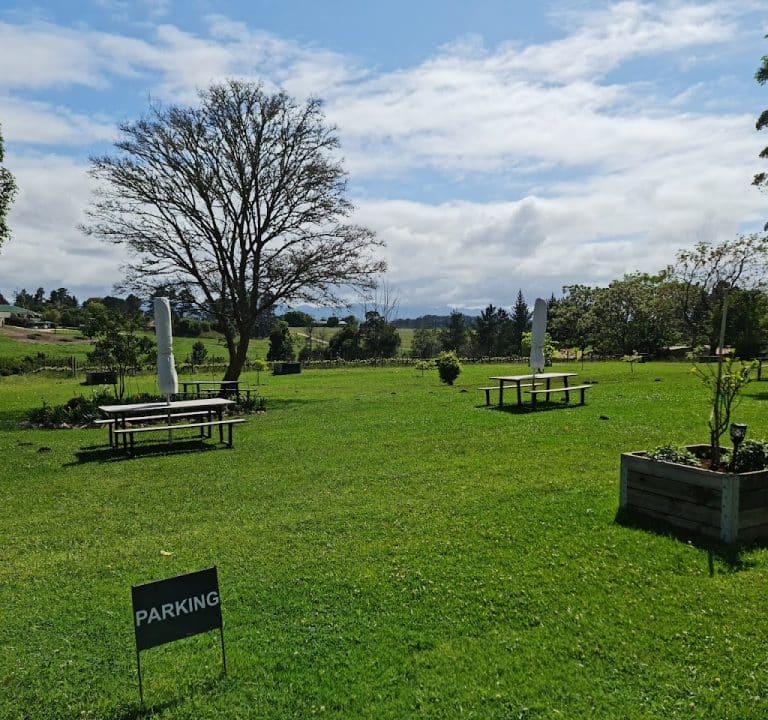
- Safety and health: standard travel precautions apply. Beaches can be busy in peak season, so plan for parking and crowd management. Hydration and sun protection are essential for long days outdoors.
There are several headline activities and experiences that visitors typically enjoy in and around Plettenberg Bay. Enjoying the pristine beaches is a given, with opportunities for long walks along the shore, surf or paddle activities, and sunset moments by the water. Nature lovers can explore nearby nature reserves and forested trails, where coastal scenery blends with indigenous flora and fauna. If you’re curious about wildlife, guided walks and marine watching experiences are popular, with chances to learn about the marine ecosystem and coastal habitats. For a flavour of the local scene, spend an evening in town sampling regional hospitality—whether a casual seafood restaurant, a cosy bistro, or a farm-to-table venue that celebrates fresh, local produce. While it’s best to decide on specific venues closer to your travel dates, Plettenberg Bay’s dining scene generally emphasises quality ingredients and relaxed, welcoming atmospheres.
As you finalise plans, consider mixing lodge or guesthouse stays with a central “hub” in Plettenberg Bay town to ease daily logistics. A stay that combines a comfortable base with easy access to beaches, hiking trails and dining options can make for a balanced itinerary. If you’re weighing accommodation choices, the Plett Forest Cabins & Wedding Venue offers another example of the range available in the region. Learn more about their setting and facilities at their official website: http://www.plettforestcabins.co.za/