Plettenberg Bay: Where to stay, what to see, and how to plan a memorable visit
Plettenberg Bay, on the scenic Garden Route in the Western Cape, combines sun-soaked beaches, lush green hinterland, and a relaxed coastal vibe that appeals to couples, families and solo travellers alike. The town offers a range of accommodation from refined country houses to modern boutique hotels and welcoming guesthouses. When planning a stay, consider the backdrop you crave: dramatic coastal scenery, easy beach access, or proximity to nature reserves and wine-and-food experiences. Below is a practical guide to help you make the most of your time in Plettenberg Bay.
Accommodation in Plettenberg Bay generally falls into several familiar patterns. Boutique lodges and country houses tend to offer intimate settings, personalised service, and scenic views; large hotels or guesthouses provide more on-site facilities and reliable balance between privacy and social spaces. Many properties are nestled along the coast or perched on hillside viewpoints, offering easy access to beaches and trails. The choice often comes down to atmosphere (romantic retreat vs. family-friendly base) and how you weigh distance to attractions versus the convenience of in-town amenities.
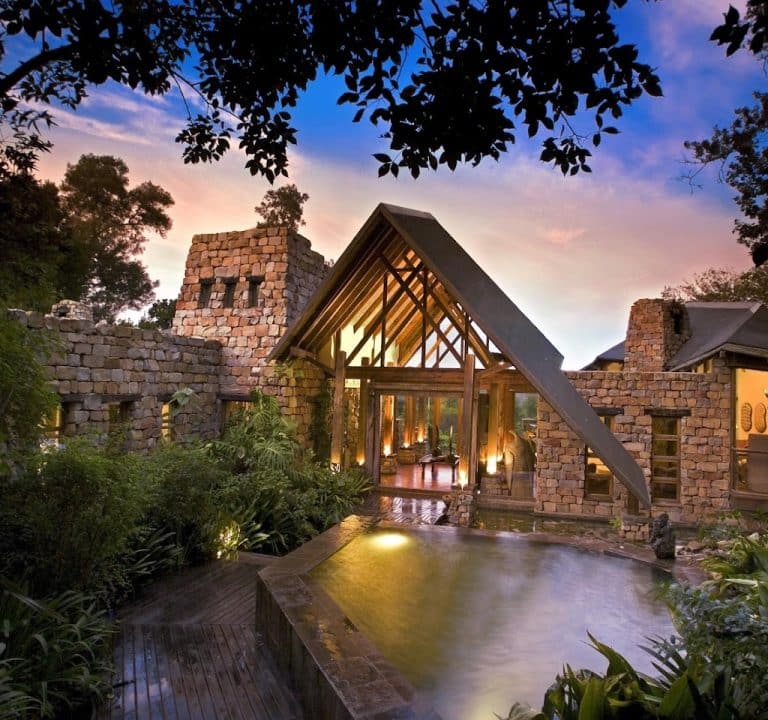
For those seeking a refined yet relaxed option, a notable example is Hunter’s Country House, a country-house style hotel known for its sense of place and gracious service. Its setting in the Plettenberg Bay region places guests within reach of forests, beaches and farm-to-table dining concepts. Visit the property’s website to explore room types, dining options, and seasonal experiences that pair with the local scenery.
- Areas to consider: Plettenberg Bay town centre for easy access to beaches and eateries; Robberg Beach and surrounding dunes for long walks and wildlife; the Keurboom/Colchester coast for quieter privacy; and the Goose Valley area for golf courses and water views.
- What to look for when booking: proximity to beaches, pet-friendly policies if needed, on-site dining or nearby restaurant choices, secure parking, and the availability of guided activities or transfers.
When it comes to planning a stay, the best time to visit Plettenberg Bay depends on what you want from the trip. The summer months (November to April) bring warm days ideal for swimming, boating and ocean-kayaking, and there are often marine life sightings around the coast. Winter (June to August) can be cooler and drier, with crisper days perfect for hikes in the surrounding forests and a chance to seal in some quiet time with fewer crowds. Shoulder seasons offer a balance of pleasant weather and more affordable rates.
Typical amenities to expect in Plettenberg Bay accommodations include private verandas or balconies, outdoor seating areas, pools (sometimes heated), and well-equipped kitchens or kitchenettes in self-catering options. Many properties provide housekeeping services, and several offer guided excursions such as nature walks, wildlife drives, or culinary experiences. If you appreciate in-house dining, look for options with on-site restaurants or curated breakfast offerings, while others may partner with nearby eateries for convenient dinner plans.
Transport is straightforward but varies by stay. Within Plettenberg Bay, a car is the most convenient way to explore the surrounding attractions, beaches, and forest trails. Some lodges and guesthouses offer airport transfers or local shuttle services, which can be helpful if you prefer not to drive. If you plan to explore beyond Plettenberg Bay, organise a day trip to nearby towns and reserves in advance, as daylight hours and seasonal road conditions can influence timings.
Top attractions and activities encompass natural beauty, wildlife encounters and cultural experiences delivered in a relaxed setting. You can expect miles of safe beaches for sunbathing and swimming, scenic viewpoints along cliff paths, and forested trails that meander through fynbos and ancient trees. Robberg Nature Reserve is a standout for coastal walks, tidal pools and birdwatching, while boat trips or sea safari experiences provide different perspectives on marine life. Whale watching is seasonal, and guided sealing or penguin-spotting excursions are popular with families and nature lovers alike.
Dining in Plettenberg Bay tends to highlight seafood and farm-to-table influences, with menus that celebrate local produce and seasonal flavours. Many restaurants offer relaxed coastal dining with ocean views or garden settings, making them perfect for sunset meals after a day of activities. For a balanced itinerary, pair longer nature days with lighter, share-friendly menus so you can sample a variety of dishes without feeling overfull.
Practical tips for visitors include respecting private reserve boundaries and following marked trails to protect fragile ecosystems. Pack layers for variable coastal weather, sun protection for daytime activities, sturdy footwear for walks and hikes, and a light waterproof layer for sudden showers, which can occur even in the dry season. Booking a flexible itinerary can help you adjust plans for wildlife sightings or weather changes, and having a short list of restaurant options near your accommodation can save time after busy days out chasing activities.
For ideas and bookings, explore official property pages and recognised travel platforms. While you plan, remember that Plettenberg Bay’s appeal lies in its balance of natural splendour, understated luxury and welcoming local hospitality. A well-chosen base, comfortable room, easy access to beaches and forests, and thoughtful planning will help you craft a memorable stay in this coastal facet of the Garden Route. For more information and direct booking options, visit Hunter’s Country House at its official website: Hunter’s Country House.