Gqeberha: Accommodation, Attractions and Practical Tips for a Comfortable Stay
Gqeberha, formerly Port Elizabeth, sits along the Eastern Cape’s Indian Ocean coast and offers a friendly mix of beach experiences, harbour sights and a gateway feel to the region’s wildlife and landscapes. When planning a stay, consider a mix of convenient access to beaches, the city’s waterfront and historic neighbourhoods, as well as easy routes to the nearby reserves and coastal towns.
Areas to consider for your stay
- Summerstrand: The long sandy beaches and a compact cluster of cafés, guesthouses and hotels make this a popular choice for visitors wanting sea views and easy access to the promenade.
- Humewood and the Western Suburbs: A little quieter than the beachfront, with traditional guesthouses and guest-friendly eateries nearby.
- Central and the City Bowl: For travellers who want to be close to downtown services, markets and a broader range of dining options, with a walkable vibe and historic architecture.
- Walmer and neighboring suburbs: Often convenient for road travel to Olifants River routes and the airport, with a selection of modern lodges and B&Bs.
- Outdoor and coastal routes: If you prefer a stay that’s a short drive from the coast yet within reach of nature reserves, look for properties that offer parking and easy access to scenic drives.
What to look for when booking
- Location versus convenience: Decide whether you prioritise beachfront access, proximity to the airport, or a central hub for day trips. A well-situated guesthouse can shorten transfer times and leave you with more time to explore.
- Type of accommodation: Guest houses and B&Bs in Gqeberha often combine comfortable rooms with full or continental breakfasts, sometimes with shared lounges or terraces. Hotels and lodges may offer on-site facilities such as pools and fitness areas.
- Amenities and practicalities: Fresh linen and reliable hot water are essential; ask about secure parking, laundry facilities, Wi‑Fi quality, and self-catering options if you prefer to prepare meals. If you plan to drive, check the distance to main roads and the availability of guest parking.
- Transport and mobility: The city is navigable by car, taxi and bus services. If you plan to rent a car, a property with private parking is advantageous. For walkers, choose areas with good pedestrian access to beaches and cafes.
- Safety and access: In neighbourhoods outside the immediate tourist zones, verify safety considerations and the level of street-facing security at the property. A well-run guest house will provide clear arrival instructions and local tips.
Typical amenities you may encounter
- Breakfast options ranging from continental to full cooked meals, with light options for early starts.
- En-suite bathrooms and well-kept common spaces, with comfortable bedding and climate control.
- Private entrances or dedicated guest lounges, plus shade or balcony spaces to enjoy the sea breeze.
- Free Wi-Fi, USB charging points, and ample storage. Some properties offer laundry services and luggage storage.
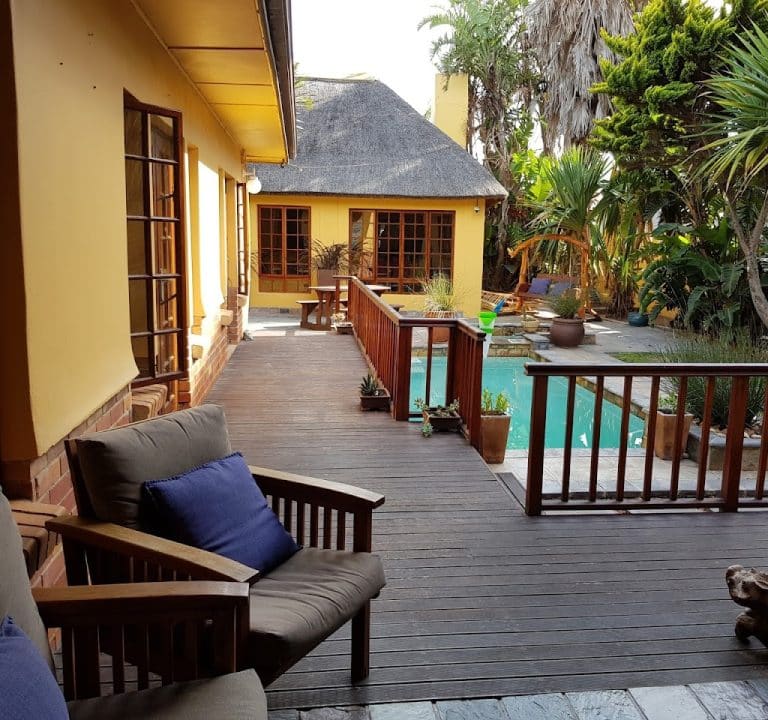
- Outdoor spaces such as verandas, courtyards or small gardens, ideal for morning coffee or evening reflection.
Best time to visit and practical planning
- Climate and seasons: The Eastern Cape enjoys warm summers and milder winters. Peak beach season runs from December to February, when the days are long and lively, but shoulder seasons (autumn and spring) offer quieter streets and pleasant temperatures for sightseeing.
- Wildlife and day trips: From Gqeberha, day trips to game reserves or coastal towns are common. Plan your transport so you can enjoy early-morning drives or late-afternoon coastal walks without rushing back to your base.
- Budget and value: Off-peak periods can yield more affordable rates and a calmer pace, while peak summer months may offer a wider range of dining and activity options but higher prices.
Activities, attractions and dining experiences (in general terms)
- Beaches and waterfront: Expect long sandy stretches, safe swimming areas and scenic coastal promenades suitable for walking or cycling.
- Harbour and maritime heritage: The harbour area provides an authentic sense of the city’s working life, with views of ships and boats and nearby spaces to enjoy fresh seafood.
- Parks and skyline views: Public parks and lookout points can provide relaxing spaces for a picnic and city views.
- Cultural and arts: Local galleries and small museums offer glimpses into the region’s history and contemporary arts, often with friendly, knowledgeable staff.
- Dining: A range of eateries reflects coastal and urban influences, from casual cafés to bistro-style restaurants. Many venues prioritise fresh, regional ingredients and relaxed atmospheres suitable for families and groups.
Perseverantia Guest House and other stays
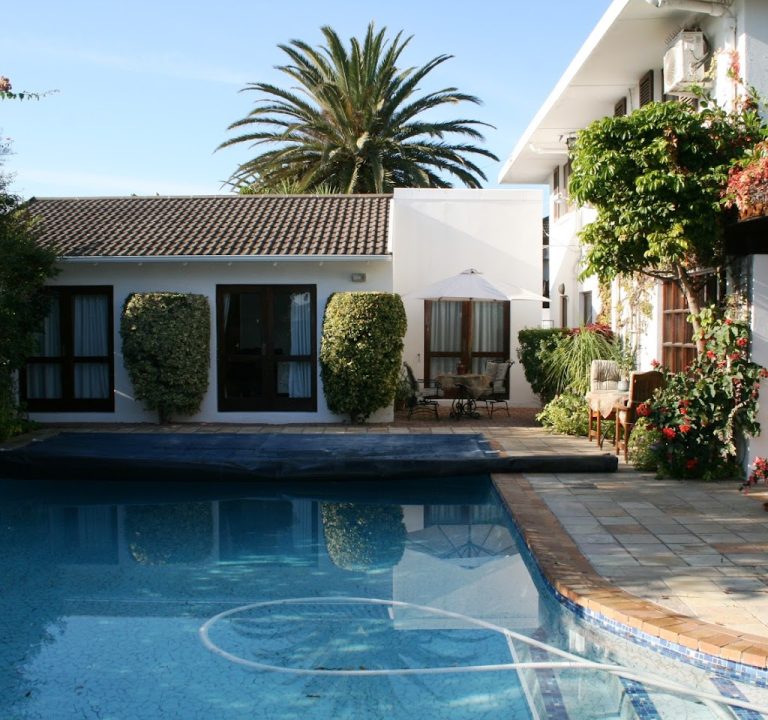
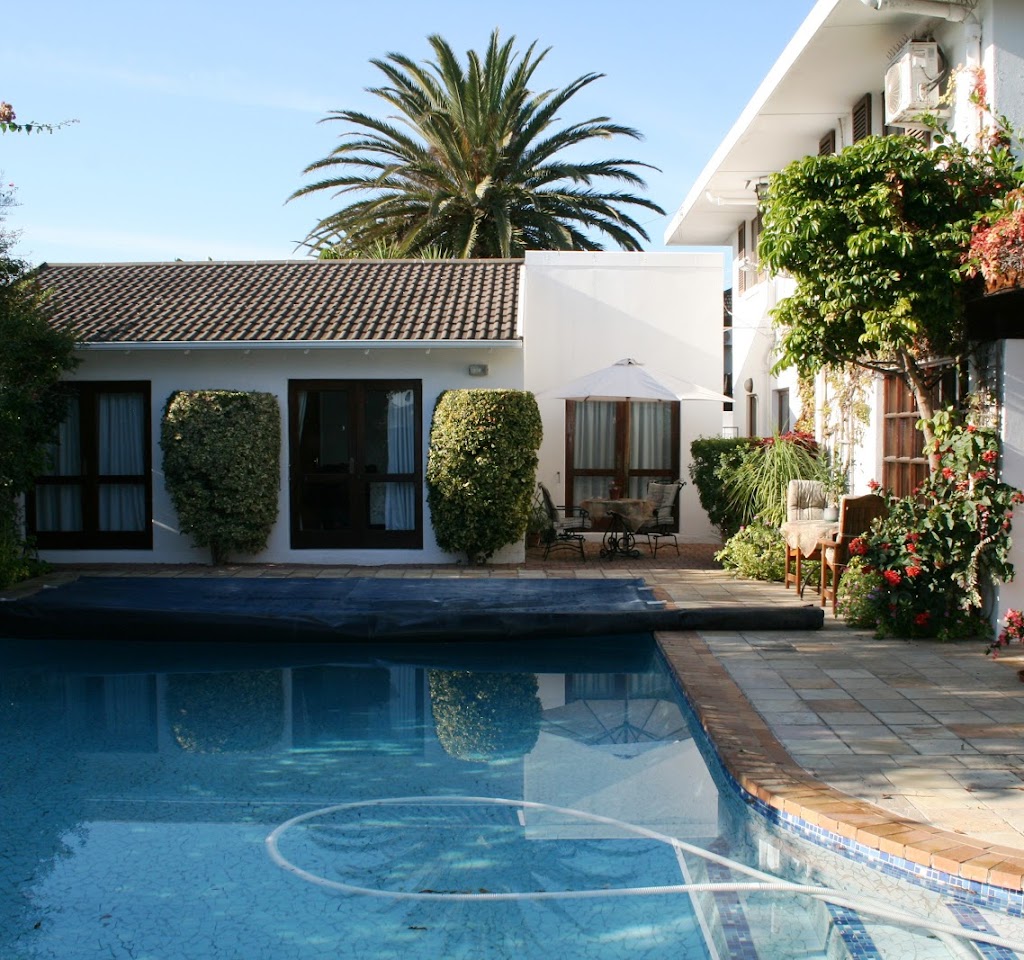
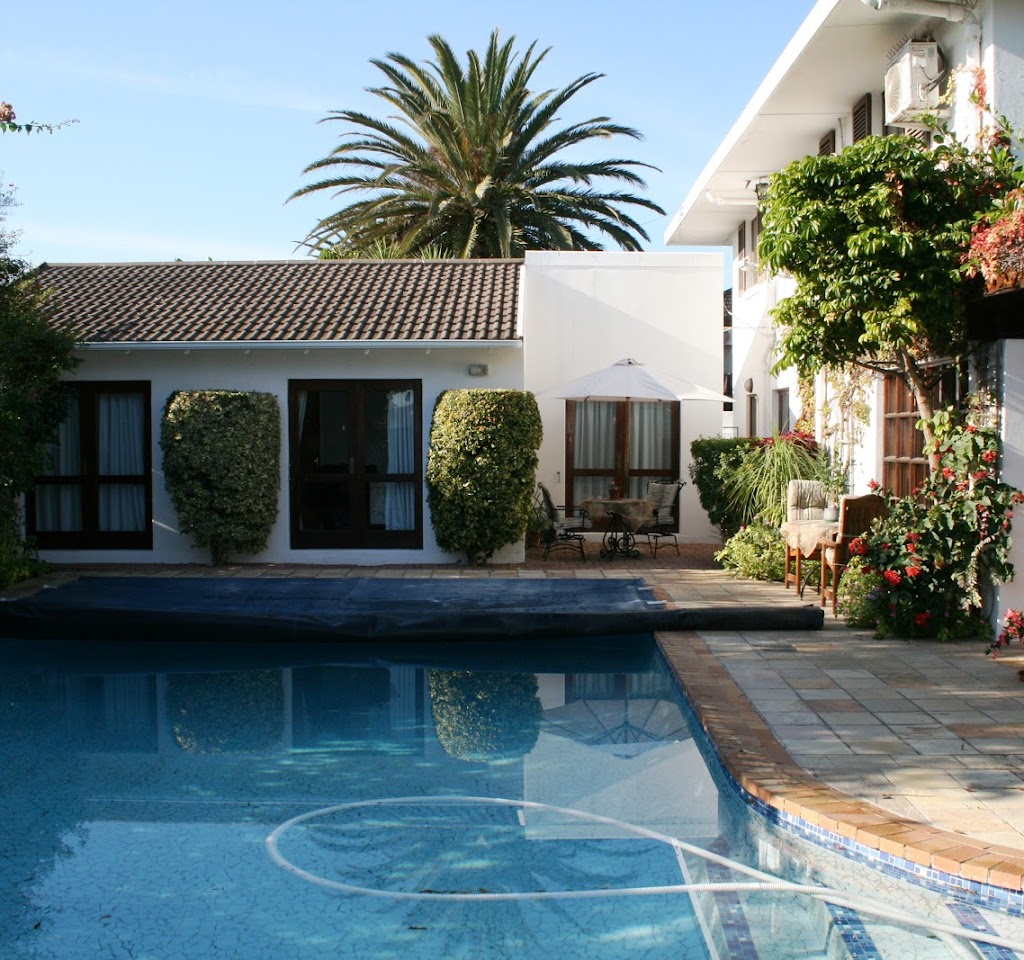
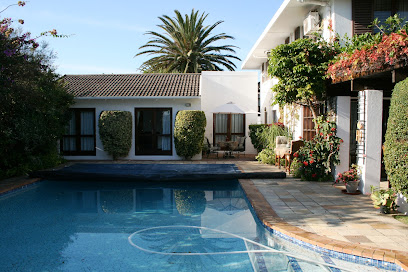
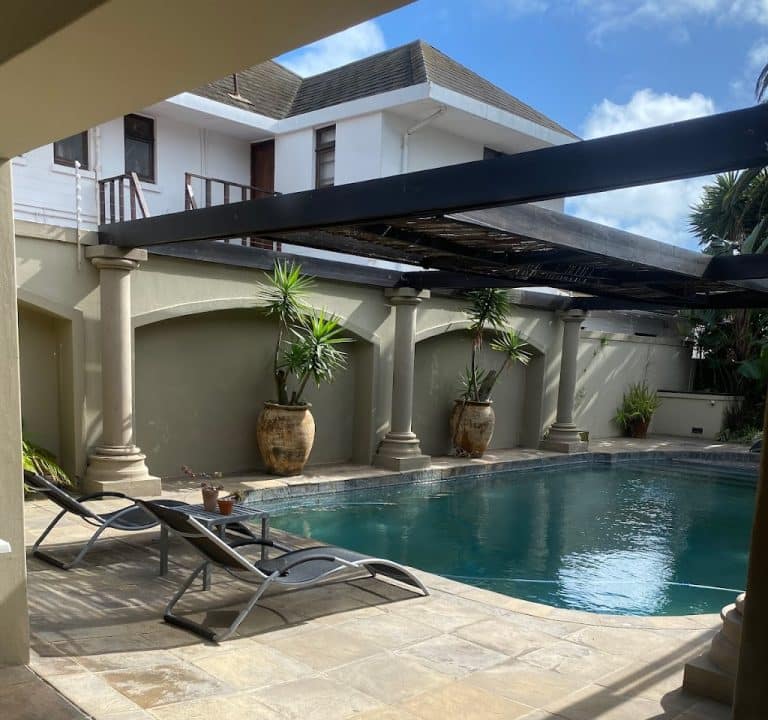
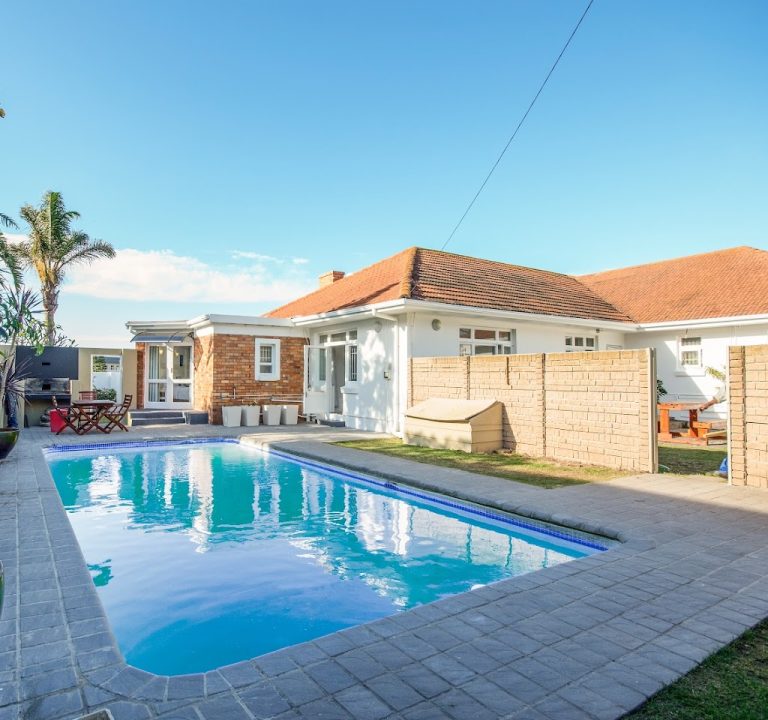
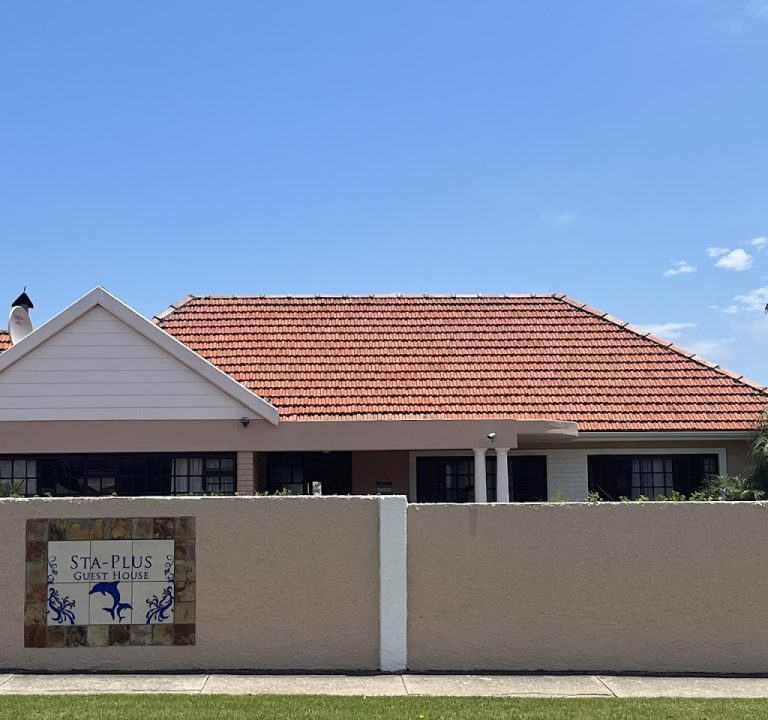
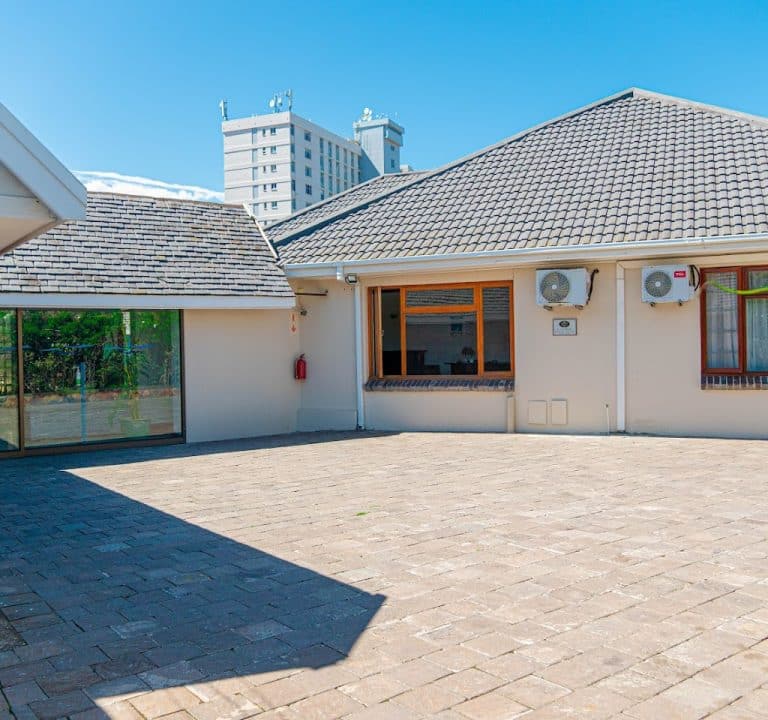
Perseverantia Guest House represents the kind of intimate, guest-focused accommodation commonly found in Gqeberha’s quieter neighbourhoods. Such guest houses usually offer a warm welcome, well-presented rooms and the option to start the day with a substantial breakfast, setting a comfortable tone for exploring the city and its surroundings. When evaluating a stay there, consider proximity to beaches or key routes, the availability of off-street parking, and whether the breakfast service aligns with your daily plans.
Practical tips for visitors
- Check access and arrival times in advance; many guest houses have flexible arrivals but may require pre-arrangement for late check-ins.
- Bring a light jacket for coastal evenings and a sun hat for daytime exploring; the sea breeze can feel cooler near the water.
- Confirm parking arrangements and street safety, especially if you plan to drive and return after dark.
- Plan a mix of beach, city, and nature days to balance rest with discovery, leaving room for spontaneous cafés and viewpoints you discover along the way.
With thoughtful planning, your stay in Gqeberha can blend the comfort of a well-appointed guest house with easy access to pristine beaches, vibrant streets and the natural beauty that defines the Eastern Cape.