Staying in Gqeberha: a guide to accommodation, neighbourhoods, and what to do
Gqeberha, formerly known as Port Elizabeth, sits on the Eastern Cape’s Indian Ocean coastline and offers a friendly mix of beaches, parks, cultural sites and easy access to wildlife experiences. When planning a stay, consider the city’s varied neighbourhoods, the transport links you’ll rely on, and the pace you want from a holiday. A well-chosen base can shorten travel times to beaches, markets, museums and day trips to nearby reserves, while a thoughtfully booked room can feel like a home from home during your visit.
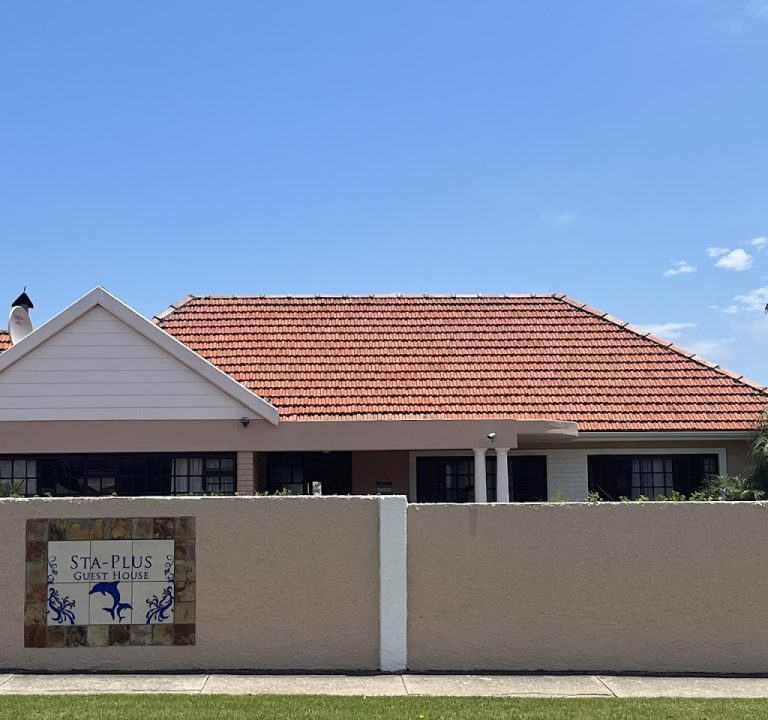
One example of a welcoming option in the city is Happy Rest Guest House, a guest house that highlights the practical advantages of a well-located stay: comfortable rooms, simple amenities, and a friendly host can help you settle in quickly and plan day trips with local tips. Whether you choose a coastal guest house with sea breezes or a more central property near the city’s cultural hubs, the right place to stay supports a relaxed itinerary and a good night’s sleep before busy days.
Areas to consider when booking
- Beachfront and neighbourhoods near the promenade offer easy access to walks along the shore, sunset views, and a lighter travel time to water-based activities.
- The city centre provides proximity to markets, local eateries and museums, with convenient access to taxis or rideshares for longer excursions.
- Suburban pockets such as the northern and southern suburbs can offer quieter streets, off-street parking, and a calmer base for families or groups.
- Port and harbour districts can be handy for day trips to nearby coastal reserves and for those keen to combine accommodation with shipspotting or harbour walks.
What to look for when booking
- Room configuration and privacy: check whether you’ll have a private bathroom, a dedicated entrance, and space to store gear if you’re visiting for a longer stay.
- Amenities: reliable WiFi, a well-equipped kitchenette or tea-and-coffee provisions, air conditioning or cooling options, and adequate heating for cooler evenings.
- Access to transport: proximity to major routes, availability of airport transfers or convenient taxi services, and whether the area is walkable to shops or cafes.
- Safety and security: on-site parking, secure access, and the general safety of the neighbourhood, especially if you’ll be returning after dark.
- Flexibility: cancellation terms and the possibility of extending your stay if plans change.
Typical amenities you might encounter
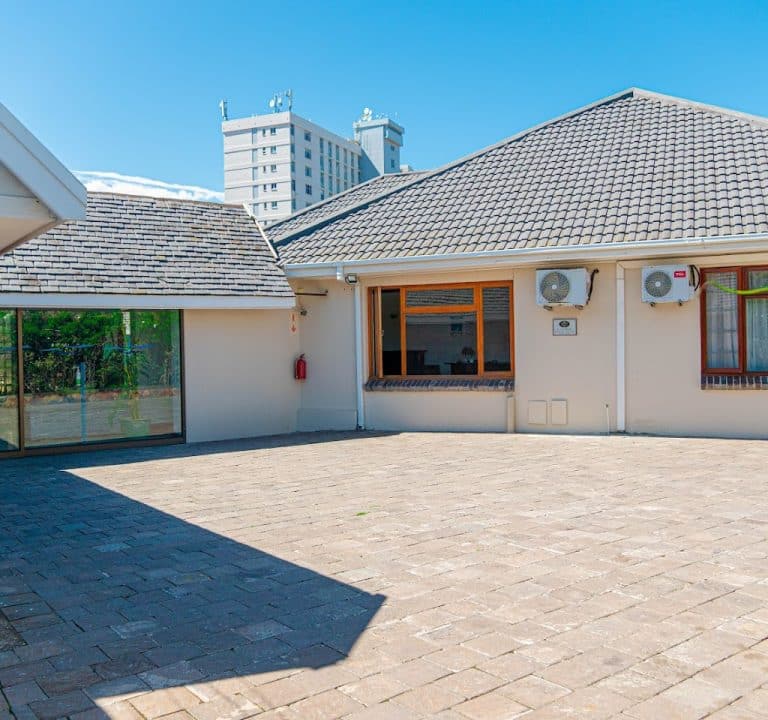
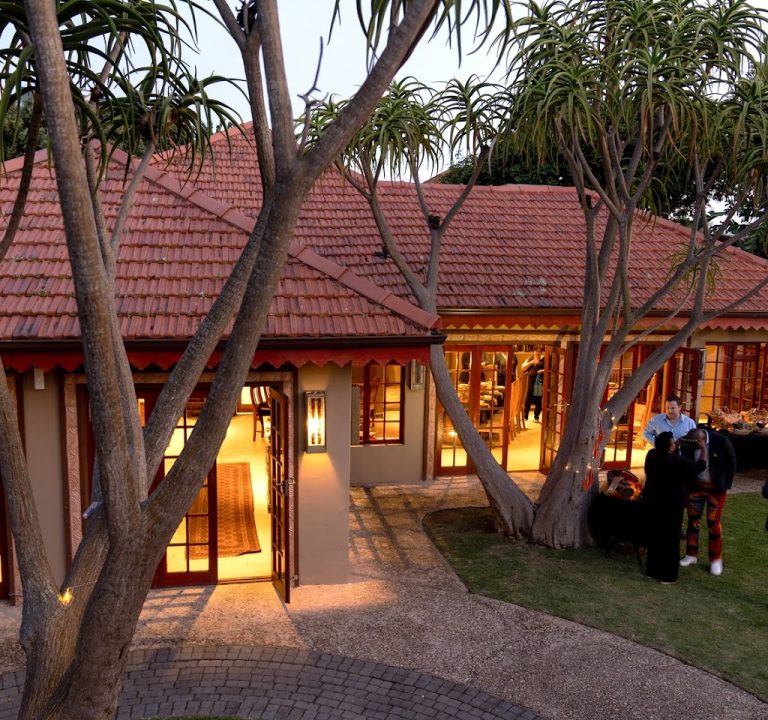
Most guest houses and mid-range hotels in Gqeberha balance comfort with straightforward convenience. You can expect a clean, well-kept room, daily housekeeping or regular refreshes, and access to shared or private lounges. Many properties offer a continental breakfast or the option to arrange meals with nearby eateries. Some locations provide outdoor spaces, such as courtyards or terraces, where you can enjoy morning coffee while planning your day. If you have mobility needs, look for ground-floor rooms or lifts, and ask about parking options in advance.
Transport and getting around
Gqeberha’s layout makes a car or reliable rideshare service helpful for exploring beyond the immediate beachfront. If you are staying near the city centre or the beachfront, you’ll find a range of short trips and longer day tours accessible by car. Public transport exists but can be less frequent outside peak hours, so a private hire or rental car often proves most convenient for visitors who want to visit wildlife reserves or the more distant coastal towns. For day trips, many operators offer guided experiences to national parks and game reserves with pick-up from central hubs.
Best time to visit
The city has a temperate climate with warm summers and mild winters. Peak travel typically falls in the warmer months when swimming and outdoor activities are most comfortable. If you prefer fewer crowds, shoulder seasons can be a good choice, with pleasant weather for beach walks, outdoor markets, and city exploring without the peak-season bustle. For wildlife lovers, planning a trip to nearby reserves during the dry season can increase the chances of spotting animals near water sources.
What to do and where to eat (in broad terms)
During your stay, you can enjoy long, sandy beaches and safe swimming bays, coastal walks, and harbourfront strolls. Museums and galleries offer insight into the region’s maritime history and local art scenes, while parks and gardens provide relaxing spaces for picnics or a gentle day out with family. Dining options range from casual cafés to established restaurants serving seafood and regional favourites, often with menus that reflect a blend of coastal and African flavours. For a taste of shopping and street life, small markets and artisan stalls provide opportunities to sample local crafts and produce.
Practical tips for a smooth visit
- Plan light, flexible itineraries that balance time outdoors with rest periods in air-conditioned or shaded spaces.
- Pack sunscreen, a hat, and comfortable walking shoes for coastal paths and market strolls.
- Confirm breakfast options and kitchen facilities with your chosen accommodation in advance, especially if you rely on self-catering.
- Check your accommodation’s parking arrangements and security features to ensure easy and safe access at different times of day.
- Use official tourism sites or reputable operators for day trips and experiences, and read recent guest reviews to gauge current conditions and service levels.
For more ideas and practical planning, you can explore official tourism pages and curated guides that focus on the Eastern Cape and Gqeberha. A well-chosen stay can unlock easy remember-me moments—sunlit beaches, friendly conversations, and a city that welcomes exploration.