Queensburgh, KwaZulu-Natal: Accommodation and attractions for visitors
Queensburgh sits just inland from Durban, offering a convenient base for travellers who want easy access to the coast while enjoying a more relaxed, leafy neighbourhood backdrop. The area combines a range of accommodation options with access to nature, peaceful residential character and practical transport links to the wider KwaZulu-Natal region. When planning a stay, consider how you’ll move around, what pace you want, and how close you’d like to be to the city’s lively attractions as well as quieter rural viewpoints nearby.
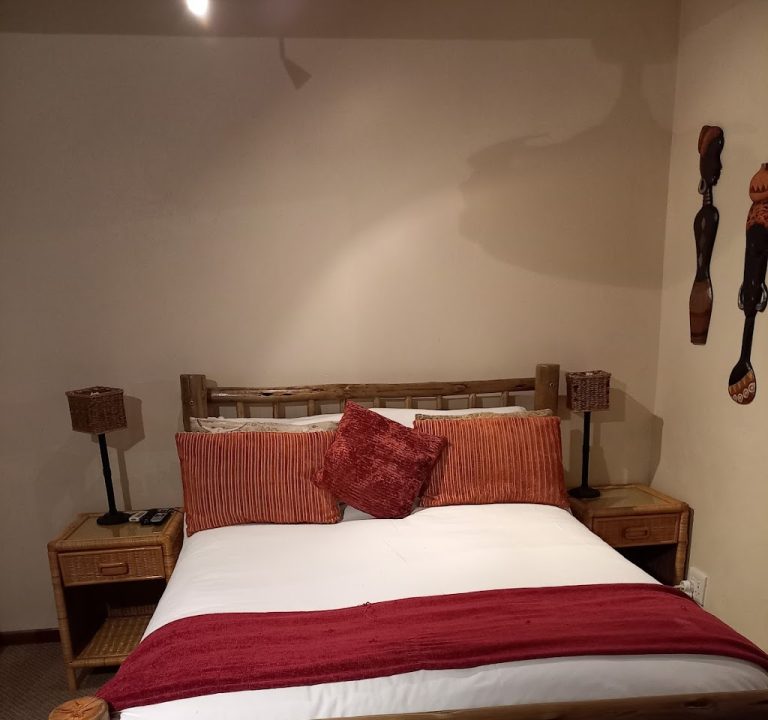
Accommodation in Queensburgh spans a spectrum from guesthouses and B&Bs to small hotels and self-catering units. Many properties embrace a home-from-home vibe, with comfortable rooms, ensuite bathrooms, free parking, and often included breakfast or a self-catering option. If you’re travelling with family or a group, look for family rooms, larger suites, or apartment-style lodgings with kitchen facilities. For shorter city breaks, a boutique-style hotel or a guesthouse with a central, well-signed reception area can make booking and check-in straightforward after a day of sightseeing. If you’re seeking more independence, self-catering apartments and small holiday flats provide a flexible alternative alongside secure parking and private entrances.
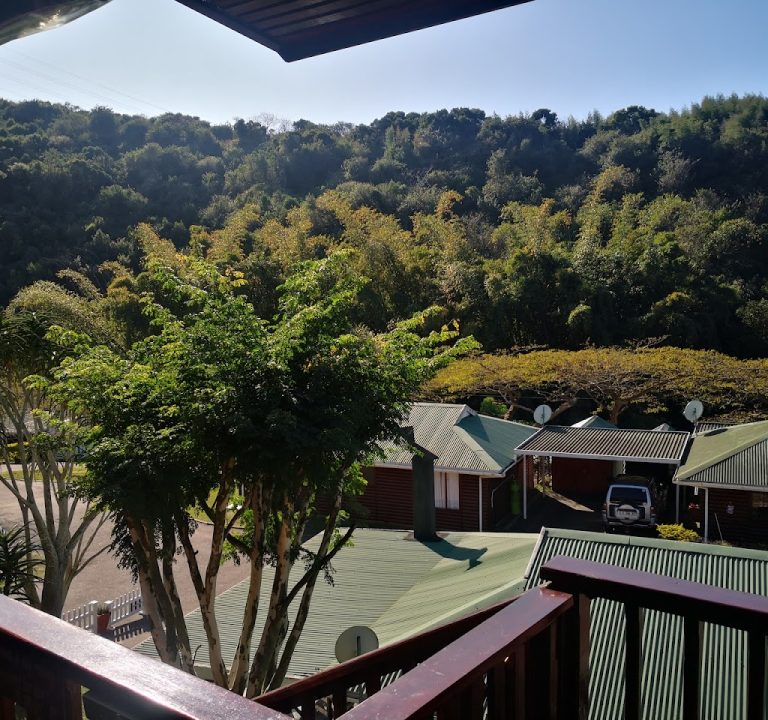
Areas to consider within and around Queensburgh include hillside enclaves with scenic outlooks and quieter residential streets close to parks and reserves. Reservoir Hills, for example, and other surrounding suburbs offer a mix of traditional homes, guesthouses and modern flats, often with easy access to local shops and eateries. Proximity to main routes like the regional roads leading to Durban’s northern suburbs or the coastal A/turnpikes makes trips to the Golden Mile beaches, botanical gardens, and waterfront activities relatively straightforward for day trips. When booking, check travel times during peak traffic and whether the property provides parking or shuttle options to reduce daily hassles.
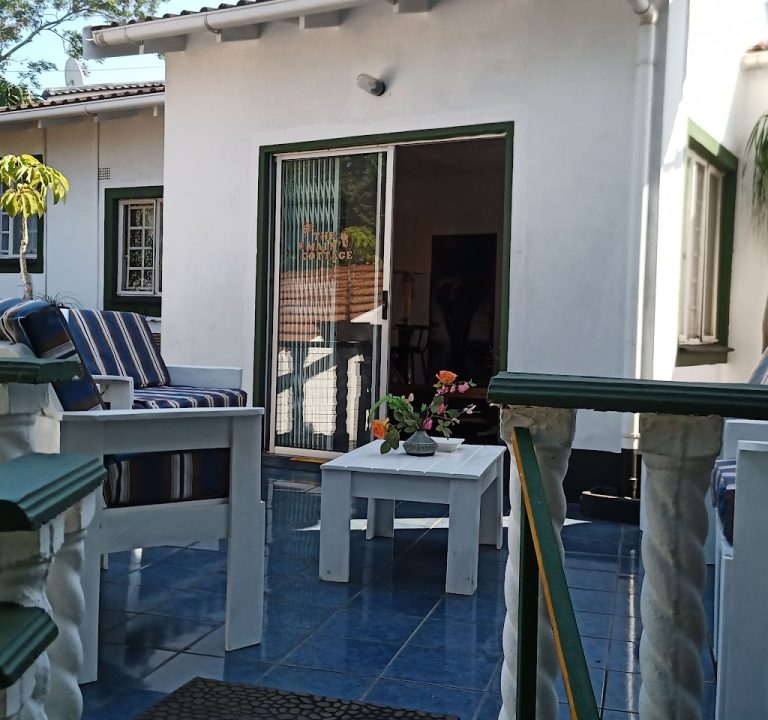
Typical amenities to look for include secure on-site parking, reliable Wi-Fi, 24-hour reception or clear check-in instructions, and clear policies on breakfast service, housekeeping, and late arrivals. For families or longer stays, a kitchenette or access to shared kitchens can make budgeting easier. A small garden or outdoor seating area is a welcome feature for warmer evenings, and a pool or shaded outdoor space is ideal for guests visiting in Durban’s summer. If you value sustainability, some properties promote energy-saving practices or recycling options—worth a quick line in your booking notes to confirm availability.
Transport and getting around are practical considerations. A car is often the most convenient way to explore Queensburgh and the greater Durban area, given the spread-out nature of neighbourhoods and the variety of nearby attractions. If you prefer not to drive, check whether your accommodation offers airport transfers or local shuttle options, and verify proximity to bus or taxi services. Durban’s public transport network and ride-hailing apps are useful for day trips to the coast, shopping hubs, and the city’s cultural attractions. When planning longer excursions, map out routes to popular day-trip destinations—coastal towns, nature reserves, and scenic viewpoints are all within a comfortable drive from Queensburgh.
The best time to visit Queensburgh and the Durban region tends to be in the southern hemisphere’s autumn and spring shoulder seasons, when temperatures are mild and rainfall is lower than in the tropical peak of summer. Winter is generally mild, with cool mornings and pleasant daytime temperatures, while summer brings warmer days and the possibility of tropical showers. If you’re flexible with your travel dates, you may find lower accommodation rates outside peak school holidays, and still enjoy favourable weather for outdoor activities and city sightseeing.
When planning activities, consider mixing nature-based experiences with urban exploration. The surrounding hills and parks provide opportunities for scenic walks, birdwatching and short hikes, while a short drive can bring you to Durban’s coastal precincts for beaches, seafood markets and the city’s vibrant dining and nightlife scene. For dining, you’ll find a range of options—from casual cafés offering light bites and local favourites to more refined eateries serving fusion and traditional flavours. In Queensburgh and nearby Durban, it’s common to sample a mix of coastal seafood, curries, and familiar favourites, with many venues highlighting fresh, locally sourced ingredients. Booking ahead is practical, especially on weekends or during busy periods, as popular spots can fill quickly.
Practical tips for a smooth stay:
- Choose accommodation with secure parking and easy access to main roads for day trips.
- Check breakfast and cleaning schedules if you have specific needs or a tight timetable.
- Ask in advance about wifi reliability, especially if you’re working remotely during your trip.
- Confirm cancellation policies and any deposits required at the time of booking.
- Plan a mix ofindoors and outdoors activities to suit weather conditions, particularly in the warmer months.
For further inspiration and practical planning, reputable travel resources and local tourism pages can provide up-to-date recommendations on places to stay, dine, and explore. Guestrooms, guesthouses, and small hotels in Queensburgh often showcase warm hospitality and easy access to both Durban’s energy and KwaZulu-Natal’s natural beauty. A well-chosen base in Queensburgh can be the ideal starting point for a balanced South African escape that blends comfortable accommodation with the region’s diverse attractions. For further ideas and specific listings, you may wish to visit official tourism sites or accommodation directory pages that curate options in and around Queensburgh and Durban.