Accommodating Queensburgh: where to stay and how to plan your visit in KwaZulu-Natal
Queensburgh, a sturdy suburban hub on the outskirts of Durban, offers a practical base for travellers looking to explore the KwaZulu-Natal coast while enjoying the quieter rhythms of a residential neighbourhood. When planning a stay here, consider the mix of residential pockets that characterise the area, from leafy precincts close to local shops and cafés to more modern apartment blocks near major routes. The key is to select a neighbourhood that aligns with your priorities—ease of access to highways for day trips, a peaceful setting for rest, or proximity to specific attractions or transport links.
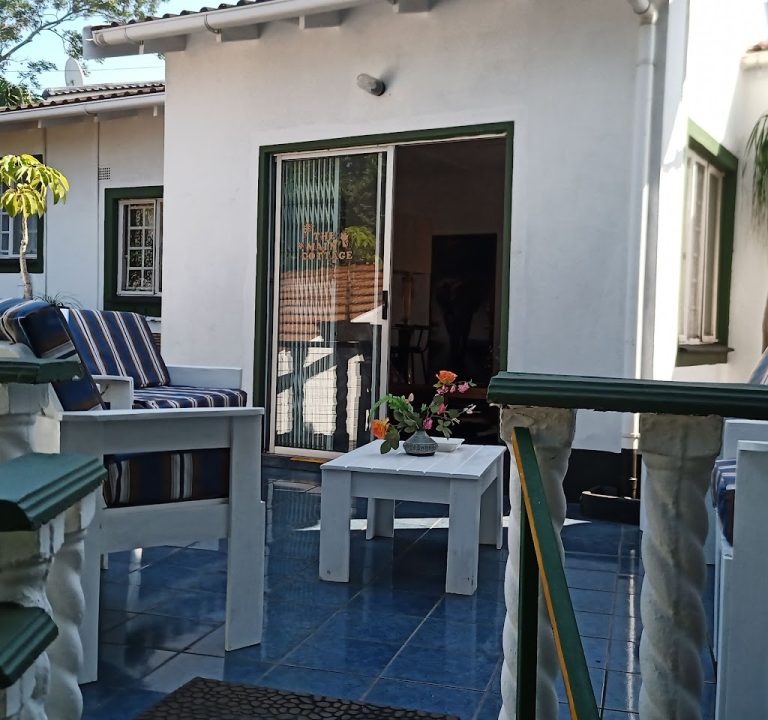
Accommodation in Queensburgh ranges from guesthouses and B&Bs to mid-range hotels and self-catering options. Guesthouses often provide a warm, homely atmosphere with personalised touches, while hotels and self-contained units can offer more predictable standards and faster access to amenities. When booking, look for hosts or managers who can offer local tips, public transport guidance, and nearby eateries, so your stay feels easy and well-informed from the moment you arrive.
What to look for when booking: start with the fundamentals—secure parking if you are driving, good proximity to the main arteries (for straightforward access in and out of the area), and clear information about check-in procedures. Check the property’s cancellation policy, cleaning schedules, and whether breakfast is included or available nearby. Many Queensburgh properties will list their transport options clearly; if not, consider how you will get around: whether you plan to hire a car, use rideshares, or rely on local taxis. If a quiet location is important, request a room away from main roads and verify the soundproofing in reviews.
Typical amenities to expect include en-suite bathrooms, comfortable bedding, secure access, and free Wi-Fi. Some accommodation providers go further with extras such as kitchen facilities, communal lounges, or outdoor spaces for sunlit mornings. If you prefer a sociable atmosphere, opt for a guesthouse with a shared dining area or a small on-site café. For a longer stay, self-catering units with kitchenettes can be a wise choice, helping you balance convenience with cost.
Transport in and around Queensburgh is straightforward but varies by location. The suburb lies within reasonable reach of Durban’s broader network, with access to major routes that connect to the coast and inland attractions. If you are driving, you’ll want clear parking arrangements and information about traffic patterns at peak times. For non-drivers, check the accessibility of public transport routes from your chosen base, and whether there are convenient taxi or ride-hailing options nearby. A stay in Queensburgh can be combined with day trips to nearby coastal towns, nature reserves, or cultural sites, all within a short drive or a comfortable bus ride.
Best time to visit KwaZulu-Natal’s coastal belt tends to be the longer dry season through late autumn and winter, when days are generally sunny and pleasant. However, the region’s subtropical climate means thoughtful layering remains sensible year-round. The summer months can be busy with school holidays and local events, so booking ahead is wise if you plan to spend evenings in popular dining spots or explore outdoor attractions. Consider shoulder seasons for a calmer pace and potentially better accommodation rates while still enjoying comfortable weather for outdoor activities.
When planning activities, think about a balance of relaxation, outdoors, and culture. In general terms, Queensburgh serves as a convenient launching pad for both natural and urban experiences. You might start with a stroll through local parks and green spaces to appreciate the suburban charm, then venture to coastal towns for a day at the beach, or head to larger urban areas for museums, markets, and dining experiences. For food, you’ll find a range of casual spots and neighbourhood eateries; a local dining scene typically emphasises fresh ingredients and diverse flavour profiles, with options that are approachable for families and solo travellers alike. If you enjoy exploring by foot or public transport, ask your host for recommended walkable routes or safe street-level access to nearby shops and cafés.
Practical planning tips to help you get the most out of your stay:
- Ask for a map or directions to key neighbourhood hubs, grocery stores, and medical facilities, especially if you’re unfamiliar with the area.
- Request a room or unit that suits your noise tolerance and sleep preferences, such as a quieter rear-facing room or a higher floor away from street activity.
- Confirm check-in and check-out times, plus any requirements for late arrivals or baggage storage if you have a long travel day.
- Bring adaptable clothing to accommodate morning cool and daytime warmth, plus a light jacket for evening breezes near the coast.
- Plan a few flexible day trips to nearby coastal towns, nature reserves, or cultural sites, leaving room for spontaneous discoveries and recommendations from hosts.
For those seeking inspiration beyond the front door, look to the broader KwaZulu-Natal region for experiences that complement a Queensburgh stay. Coastal beaches offer sun and sea, while inland parks provide hiking and wildlife viewing. Durban’s vibrant culinary scene, markets, and heritage sites are still within reach by car or public transport, making Queensburgh an accessible base rather than a destination in isolation. To maximise convenience, consider booking accommodation with clear directions to major routes and an option for easy day trips, then tailor your itinerary to pace and interests. A well-chosen base in Queensburgh can blend restful comfort with practical access to the region’s varied attractions, ensuring a balanced and memorable stay. For more information and current availability, you can visit hospitality providers’ websites or travel platforms that feature Queensburgh properties.