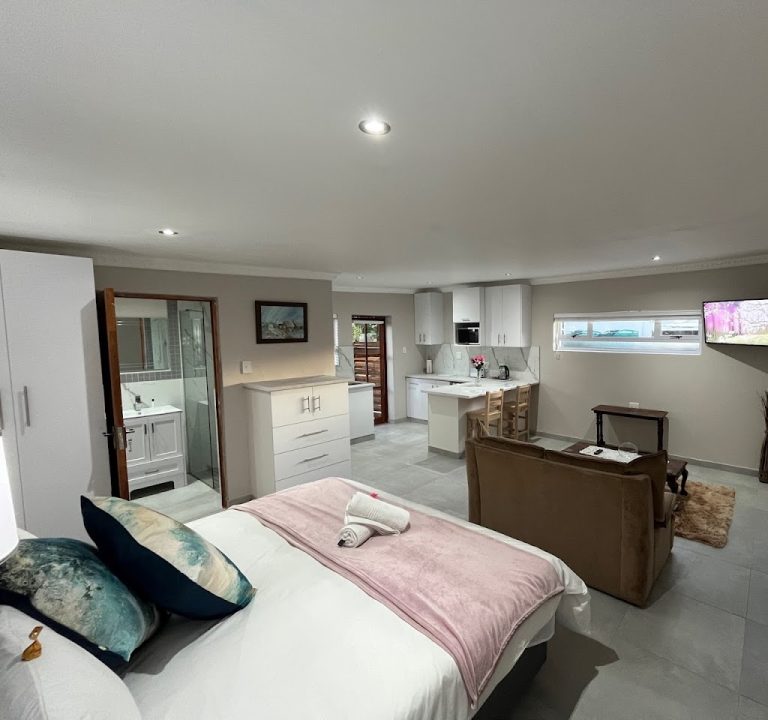
Accommodating East London: Where to stay and what to do in the Eastern Cape
East London, situated on the sunny Eastern Cape coast, combines a relaxed seaside vibe with easy access to the hinterland and wildlife experiences. When planning a stay in this part of South Africa, a sensible approach is to think about the neighbourhoods that suit your style, check for reliable Wi‑Fi and parking, and consider how you’ll move around to maximise your time. Accommodation ranges from seaside guesthouses and family‑run BnBs to modern hotels and boutique lodges, with options that suit solo travellers, families, and groups alike. A stay in East London can be as tranquil as a quiet beach break or as convenient as a central hub for day trips along the coast and into the Karoo hinterland.
Important considerations when choosing a base include proximity to the beach, the city’s retail and dining precincts, and transport links to wider East London attractions. If you’re arriving by road, many properties offer on‑site parking or easy access to main routes. For those relying on local taxis or ride‑hailing, neighbourhood safety, well‑lit streets, and friendly reception staff can make a big difference to your comfort level. Some travellers prefer guesthouses that offer breakfast for convenience, while others opt for full‑service hotels with on‑site dining and concierge services. In East London, you’ll find options that balance authentic hospitality with modern amenities such as air conditioning, minibar provisions, and reliable hot water — all practical details that help with a smooth, stress‑free stay.
When it comes to areas to consider, a few general options tend to suit different itineraries:
- Coastal and beachfront zones for easy access to the sea, calm morning walks, and sunset views.
- City centre or northern suburbs for proximity to shops, markets, and a lively dining scene.
- Suburban pockets near parks or nature reserves for a quieter stay with quick drives to wildlife encounters or scenic drives.
Typical amenities that travellers look for include secure parking, reliable hot water, comfortable bedding, and clean, well‑maintained public spaces. Free or affordable breakfast is a plus for many families and groups, as is access to shared guest kitchens or self‑catering facilities. If you’re travelling with children or extra gear, ask about family rooms, suite options, or layouts that provide separate spaces for relaxation and sleep. Lodges and guesthouses often offer personalised touches, from welcome teas to local knowledge and occasional guided walks, which can enrich a stay far beyond a standard hotel overnight.
Transport and getting around are practical considerations. East London’s streets can be navigated by car, taxi, or ride‑hailing services. If you’re exploring beyond the city, renting a vehicle is common and gives you the flexibility to visit coastal viewpoints, nature reserves, and coastal towns at your own pace. Checking access to public transport, proximity to main highways, and whether a property can assist with airport transfers or day‑trip bookings can save valuable time. For longer stays, a well‑located accommodation with easy access to arterial routes makes spontaneous excursions feasible, whether you’re dreaming of a coastal drive to view the beaches or a scenic country road into the Karoo belt.
Best time to visit East London tends to be during late spring to early autumn when the weather is mild and outdoor activities are appealing. Summer months bring warm seas suitable for swimming and water sports, while winter offers a quieter mood and opportunities to enjoy coastal walks without peak crowds. If your plans include wildlife encounters or nature trails, consider seasonal patterns at nearby reserves or parks, and check local event calendars for markets, cultural performances, or sporting fixtures that showcase the region’s community spirit.
When planning activities, a blend of relaxation and exploration often yields the best memories. Days can begin with a stroll along the coastal promenade, followed by a laid‑back brunch at a local café, and then a drive to nearby nature reserves or viewpoints. For those who enjoy culture and cuisine, East London’s hospitality scene ranges from casual eateries to refined dining rooms, usually offering coastal flavours and fresh produce from surrounding regions. In addition to meals, look out for opportunities to sample traditional South African dishes and regional seafood specialities in a relaxed setting. Geography and climate mean you’ll likely spend time outdoors, so pack light layers, sunscreen, and a reusable water bottle to stay comfortable while you explore.
As a sample approach to accommodation in this area, you might consider a property such as Parkview Guest Cottages as a relaxing option that offers a homely atmosphere within reach of the city’s amenities. While details vary between properties, your stay is likely to be enriched by local knowledge, easy check‑in processes, and a welcoming environment that makes it simple to settle in and plan your days. For those seeking further options, a variety of guesthouses, inns, and hotels in East London’s coastal and suburban zones deliver different vibes, from intimate, characterful establishments to contemporary hotel experiences.
Finally, a practical planning tip: before booking, read recent guest reviews focusing on cleanliness, responsiveness of staff, and the accuracy of published information. Confirm cancellation policies and whether breakfast or parking are included, and check how the property handles heat, light, and noise to ensure a restful stay. With a thoughtful choice of area, a clear plan for transport, and a balance of downtime and discovery, East London can be an ideal base for enjoying the Eastern Cape’s warmth, beaches, and natural beauty.