East London, Eastern Cape: where to stay, what to do, and how to plan your visit
East London in the Eastern Cape offers a friendly, laid‑back base for exploring the South African coast. The city sits on a wide, sandy coastline with a mild climate that lends itself to beach walks, waterside dining and easy day trips. For visitors seeking a comfortable bed and a welcoming atmosphere, places such as family‑run B&Bs, guest houses and small hotels provide a home‑from‑home feel while staying close to key attractions and transport links.
When choosing where to stay, consider the area’s character and access to the things you want to do. Nahoon and the beachfront districts are popular for easy sea views and proximity to long stretches of sand. Berea and the city’s central neighbourhoods offer a convenient base for guests who want to be within walking distance of shops, cafés and a few cultural venues. If you plan to hire a car, you’ll find many guest houses and B&Bs that offer secure parking and straightforward routes to the coast or the city’s outdoor recreation spots.
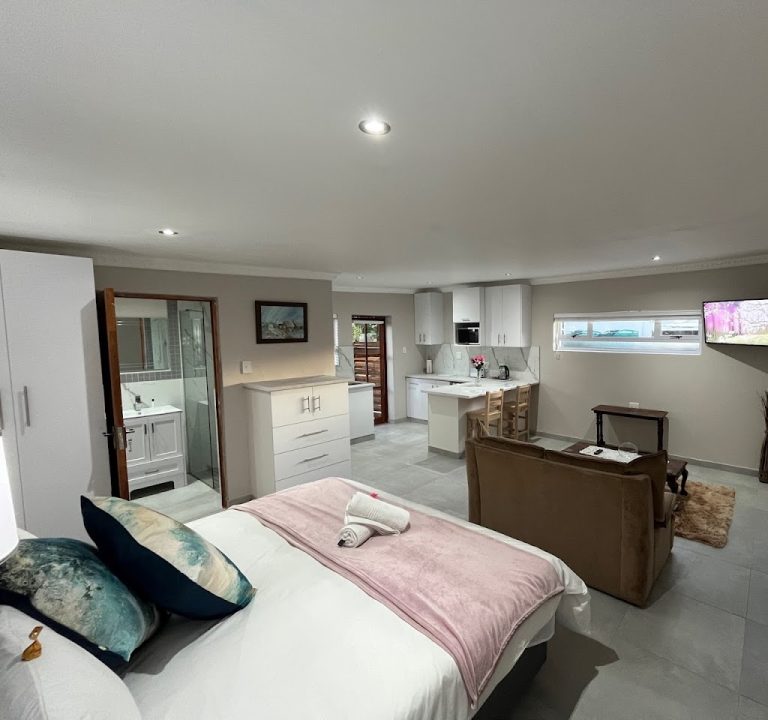
Accommodation options in East London range from traditional Bed & Breakfast properties to modern guest houses and cosy boutique stays. At a B&B such as a well‑regarded guest house, guests often enjoy a private room, a full breakfast served in a dining room or courtyard, and the benefit of hosts sharing local tips and routes. Look for rooms with en‑suite bathrooms, sufficient storage, reliable Wi‑Fi, and flexible breakfast times if you’re an early riser or a late sleeper. For those arriving with luggage or a desire for self‑contained space, some properties offer self‑catering facilities or lounge areas, which can be a practical alternative to hotel setups.
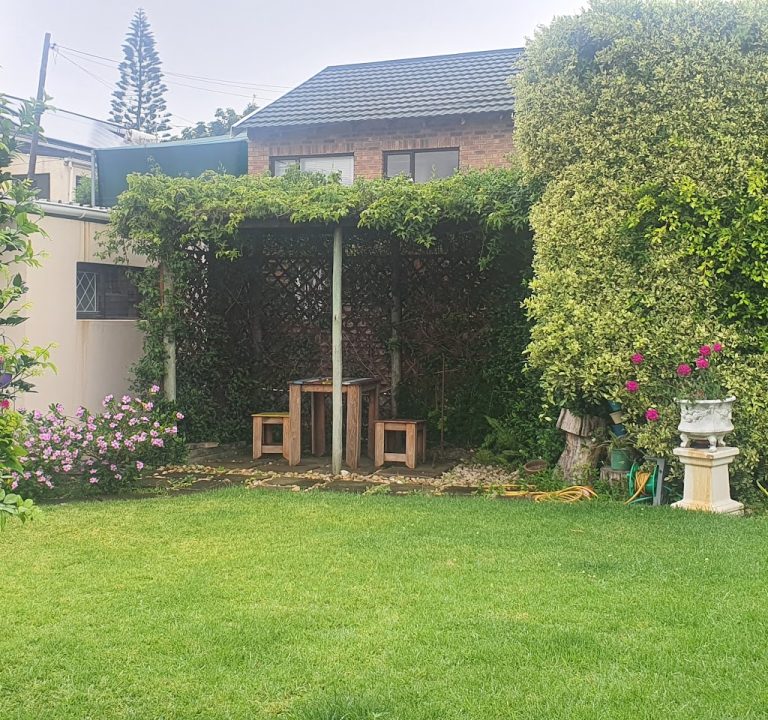
Typical amenities that enhance a stay include free parking, outdoor spaces for relaxing after a day of sightseeing, and easy access to beaches or hiking trails. It’s also worth noting the practicalities: quiet rooms for restful nights, air conditioning or fans for warm seasons, and reliable security if you’re staying in busy coastal areas. When booking, ask about breakfast options, the flexibility of mealtimes, and whether receipts or social‑space features such as lounges or verandas are available. If you’re visiting with children, check for family‑friendly room configurations and any space restrictions for extra beds or cots.
Getting around East London is most convenient with a car, especially if your plans include day trips along the coast or to neighbouring towns and reserves. If you don’t drive, check whether your accommodation offers transfer services or can help arrange reliable local taxis. Internal flights and a modest regional rail network exist, but road travel remains the most flexible option for a coastal itinerary. The city’s road layout is straightforward, and most holiday stays are within a short drive of beaches, parks, and dining precincts. A well‑planned route will help you balance beach time, strolls along the esplanade, and a couple of restaurant stops without feeling rushed.
Best time to visit East London generally falls in the warmer months from late spring to early autumn. The coastal climate means longer days for beach walking, swimming and surfing. Summer crowds can be lively, so booking ahead for popular guest houses or B&Bs is wise during peak travel periods. Shoulder seasons offer quieter streets, milder weather and a steadier rhythm to daily life, while winter visits can be pleasant for regional scenery and fewer crowds, though you should be prepared for cooler evenings.
In terms of experiences, East London’s coast lends itself to relaxed, nature‑oriented days. You can expect generous beaches for sunbathing and safe family swims along certain stretches, with striking estuary wildlife viewing opportunities nearby. Outdoor enthusiasts often enjoy simple coastal strolls, cycling routes, and short hikes that showcase the city’s subtropical scenery. Cultural highlights tend to be accessible in the town centre or nearby villages, with museums and galleries offering glimpses into local history and daily life. For dining, you’ll find places that emphasise fresh seafood, produce from coastal farms, and modern takes on traditional flavours. Many venues prioritise fresh, locally sourced ingredients and relaxed, social atmospheres that suit a day of exploration and casual evenings by the sea.
To help you plan your stay, here is a concise checklist you can use when booking and organising your trip:
- Identify the area that best suits your rhythm: beach focus, city convenience, or quiet residential charm.
- Check room configurations, en‑suite facilities, and breakfast arrangements.
- Ask about parking, security, and accessibility (lift access if needed).
- Confirm proximity to beaches, shops, and the main transport links you’ll rely on.
- Consider cancellation terms and flexibility in case plans change.
For inspiration and planning resources, visiting East London’s tourism sites can provide up‑to‑date information on accommodation options, suggested driving routes, and general pointers for travellers. With a comfortable base such as 6 on Western Guest House, guests can enjoy a welcoming home atmosphere while exploring the area’s coastline and city amenities. Whether you prefer a breezy seaside stroll, a relaxed coffee by the promenade, or a longer day trip to coastal reserves and inland escapes, East London offers a friendly balance of relaxation and activity. For more information on accommodational choices and local visitor experiences, you can explore general travel guides and the official regional pages that maintain current recommendations and practical tips.