Accommodation and Experiences in Cape Town, Western Cape
Cape Town offers a diverse tapestry of places to stay, from stylish city-centre lofts to leafy guesthouses and beachfront lodges. When planning a stay, it helps to think about what you want most from your trip: easy access to iconic sights, a quiet neighbourhood to unwind, family‑friendly amenities, or a base for wine-tasting and outdoor adventures. A wide range of accommodation types can cater to different budgets, with many properties offering personalised touches such as guided tours, sustainable practices, or recommendations for local eateries and experiences.
Areas to consider include the City Bowl for convenient access to museums, markets, and dining; the V&A Waterfront for harbour views and easy day trips; and the Atlantic Seaboard (including Camps Bay and Clifton) for dramatic sea views and beach access. For a slower pace and leafy retreat, Constantia and the nearby southern suburbs offer wine country vibes with valley views and tranquil gardens. If you are chasing a coastal or rural escape, the Atlantic coast townships and nearby nature reserves provide opportunities to hike, surf, and spot wildlife. For a wine-focused itinerary, the nearby Cape Winelands towns such as Stellenbosch and Franschhoek are classic day trips or weekend breaks from the city.
When booking, look for a few practical features that can make or break your stay. Check the description for the following:
- Location notes (proximity to sights, beaches, and public transport)
- Parking availability or easy access to transit routes
- Bed type and space (ensuite bathrooms, family rooms, or self‑catering facilities)
- Wi‑Fi reliability and signal in common areas
- Housekeeping frequency and laundry options
- On‑site facilities such as a pool, restaurant, or outdoor spaces
- Property ethos (family‑friendly, adults‑only, pet‑friendly, or sustainability‑driven)
Typical amenities you may encounter include comfortable bedding with quality linens, air conditioning or heating for the temperate, coastal climate, and well‑equipped kitchens or kitchenettes if you prefer self‑catering. Many properties offer breakfast, either continental or full‑service, and some guesthouses arrange afternoon tea or evening canapés. A small number of lodges and boutique hotels provide spa services, gym facilities, or private balconies with sea or mountain views. Accessibility varies, so if you or someone in your party has mobility needs, confirm elevator access, ramps, and reachable rooms in advance.
For transport, Cape Town is served by a mix of taxis, ride‑hailing apps, and a growing MyCiTi bus network in the city bowl and greater area. Car hire is often convenient for exploring the Cape Peninsula, the winelands, and the scenic coastal routes. If you plan to venture to attractions such as Table Mountain, Cape Point, or Robben Island, check whether your accommodation offers shuttle services or can arrange reputable local tours. Beachfront stays will benefit from quick access to coastal walks and sunrise views, while city‑centre properties can be a launchpad for day trips and cultural explorations.
Best time to visit Cape Town blends crowd levels, weather, and what you hope to do. March to May and September to November are pleasant for outdoor activities and sightseeing, with milder temperatures and lighter crowds than peak summer. December to February brings warm days ideal for beaches and coastal recreation, but can be busier and pricier. Winter (June to August) is cooler and wetter, yet offers dramatic coastal scenery and fewer visitors, with many restaurants and guesthouses offering seasonal specials.
When planning a stay, think about how you will balance city sights with nature and food experiences. A day spent on the iconic Table Mountain or a scenic drive along Chapman's Peak Drive should be paired with meals at restaurants that showcase Cape flavours and world‑class produce. For a quieter day, visit botanical gardens or nearby nature reserves, or join a guided walk to learn about local history and flora. If you enjoy wine and food, plan a day or two in the Winelands for cellars and tasting rooms, paired with a relaxed countryside lunch.
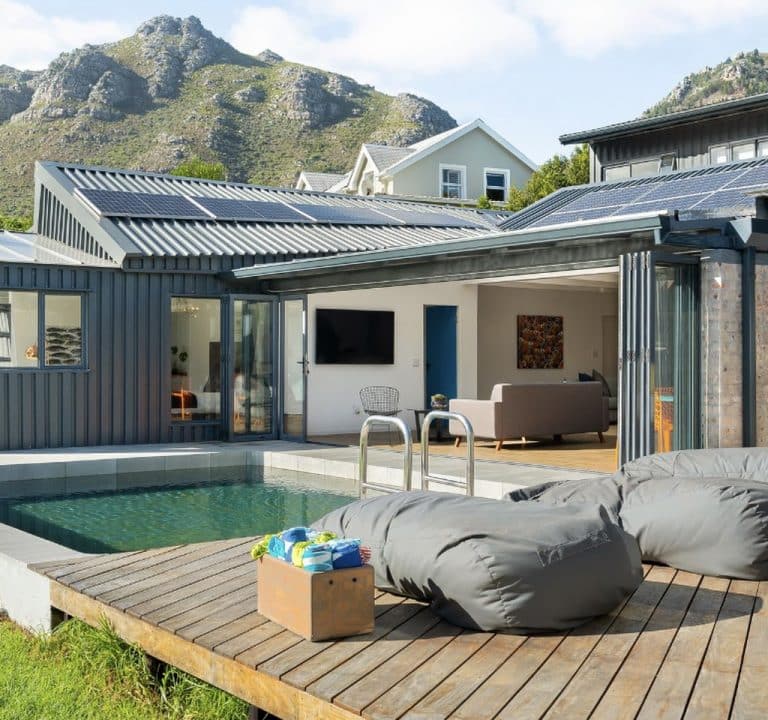
Example accommodation types you might encounter include boutique guesthouses with a personal touch, mid‑range lodge options such as Panache Country Lodge, and larger hotels offering more formal dining and conference facilities. A lodge or boutique retreat can provide a sense of space and serenity while keeping a focus on comfort and easy access to nature. Always read recent guest reviews to gauge upkeep, safety, and the responsiveness of staff, and confirm cancellation terms before booking.
To plan effectively, shortlist three or four preferred neighbourhoods, list your must‑haves (parking, breakfast, proximity to beaches, or access to hiking trails), and compare properties that align with your priorities. For inspiration, reputable tourism sites and the official visitor information portals provide broad guidance on routes, safe travel tips, and seasonal events. With careful planning, Cape Town programmes a well‑paced stay that blends iconic sights with experiences that feel distinctly local.
Panache Country Lodge, as a lodge option within the Western Cape, can offer a blend of comfortable rooms and a relaxed setting that suits travellers seeking a restful base after days spent exploring the peninsula and surrounding countryside. While you plan, you can explore nearby dining options and attractions in a relaxed manner, knowing that a well‑located lodge can help you maximise your time without unnecessary travel. For further planning, consider visiting official tourism pages or property websites for current availability, packages, and guest guidance.