Accommodating Cape Town: Where to stay, what to expect, and how to plan your visit
Cape Town sits between sea and mountains, offering a range of neighbourhoods that each bring a distinct flavour to a traveller’s stay. When planning accommodation, consider what you want from your days: beachside views and easy access to the city centre, or a quieter hillside base with quick drives to nature reserves. The most popular areas include the Atlantic Seaboard for dramatic coastlines and stylish dining, the City Bowl for proximity to museums and nightlife, and Constantia or the Southern Suburbs for leafy tranquillity and wine routes. For a lighter touch of urban biodiversity, the foreshore and harbour areas provide modern apartments and convenient transport links, while Cape Town’s surrounding townships and coastal towns offer cultural experiences and adventurous day trips.
When choosing a place to stay, think about the practicalities as well as the vibe. Look for secure access, on-site or readily available parking if you’ll be driving, and clear information about check-in procedures. Proximity to MyCiTi bus stops or easy routes to the airport and major sights will save time. If you’re planning to explore on two wheels, some properties provide secure bike storage or easy access to cycle lanes. For families or groups, apartments with multiple bedrooms and well-equipped kitchens can be more convenient and cost-effective than hotel rooms.
Typical amenities to look for include reliable wi‑fi, adequate heating or cooling for year-round comfort, balconies or terraces with views, well-equipped kitchens or kitchenettes, and laundry facilities. Many guests appreciate a well-stocked welcome area—things like a kettle with tea and coffee, a few basics for cooking, and a map or guide to local attractions. If you’re seeking a lower-carbon footprint stay, search for properties that emphasise sustainability and offer recycling options, energy-efficient appliances, and clear guidance on waste reduction.
Accommodation in Cape Town ranges from stylish city apartments to hillside villas, boutique BnBs, and family-friendly lodges. In and around the central City Bowl, modern apartments often provide compact layouts with easy access to galleries, markets, and cafés. The Atlantic Seaboard offers spectacular ocean vistas in neighbourhoods such as Camps Bay and Bantry Bay, where newer builds provide contemporary interiors and terraces that catch the sea breeze. For a more historical or tranquil setting, the Southern Suburbs and Constantia Valley present guesthouses and self-catering options close to wine estates and nature trails. If you plan to travel outside the city, consider staying near the harbour or in nearby towns to use as a base for day trips along the Cape Peninsula and Cape Point route.
Transport is straightforward but can vary by location. In the city, the MyCiTi bus network provides affordable travel to many tourist areas, while ride-hailing apps offer convenient door-to-door service. If you intend to explore beyond the urban core, renting a car gives the greatest flexibility—for example, to reach Cape Point, Boulders Beach penguin colony, or the Kirstenbosch botanical gardens at a relaxed pace. Some properties offer shuttle services or partner with local tour operators for day trips, which can be an efficient way to stack experiences without worrying about logistics.
Best time to visit Cape Town depends on what you’re after. Summer (December to February) delivers long days, beach weather, and lively outdoor scenes, but it’s the peak season and can be busier and pricier. Autumn (March to May) and spring (September to November) offer milder days, good light for photography, and easier access to popular sights. Winter (June to August) brings cooler, wetter weather but still many indoor cultural options and fewer crowds. Whichever season you choose, plan for changes that can occur in the weather, especially if you’ll be spending time outdoors on Table Mountain or along the coastal routes.
When it comes to attractions and dining, Cape Town offers a broad spectrum without needing to over-plan. Iconic viewpoints and famous mountain scenery are central highlights, but there are also coastal walks, botanical gardens, historic sites, and vibrant markets. Dining ranges from casual seafood shacks to contemporary eateries and wine-estate restaurants set amid vineyards. General tips: balance a couple of big-ticket experiences with leisurely mornings at cafés, markets, or waterfront promenades, and leave room for spontaneous discoveries such as neighbourhood galleries or street food stalls. Always check opening times and visitor requirements in advance, and remember that booking ahead is wise for popular experiences or peak-season weekends.
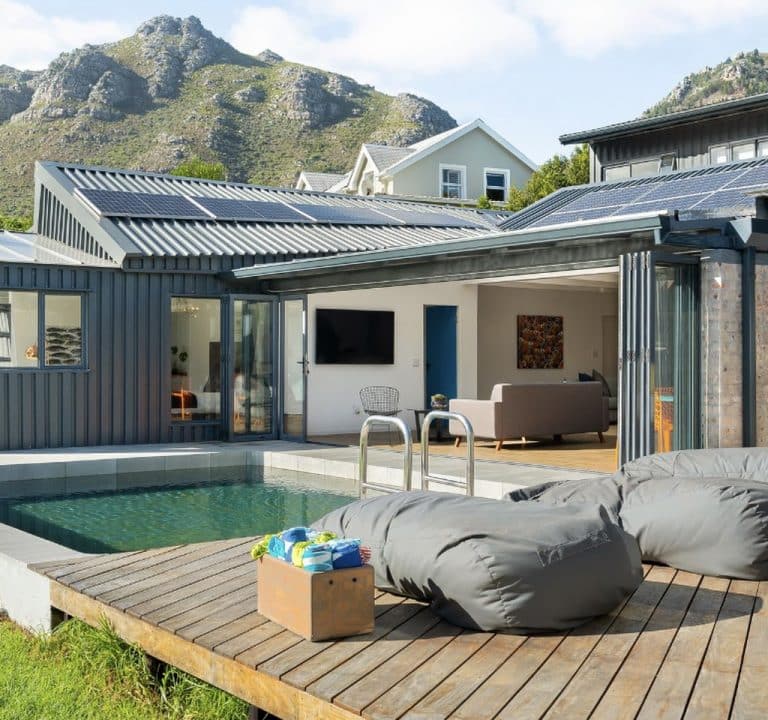
Meadows Mountain View stands as an example of the holiday apartment option—a self-contained base that can suit couples, families, or small groups seeking flexibility, privacy, and a home-from-home feel after days of sightseeing. While specifics about individual properties vary, such an arrangement often provides a private kitchen, living space, and the benefit of choosing your own pace and pace of meals during your stay.
Practical planning tips
- Book early for peak months and major events; consider mid-week stays to secure better value.
- Check for parking, proximity to transport links, and accessibility if required.
- Review cancellation policies and weather-related considerations for outdoor plans.
- Look for a host or property with up-to-date local advice and a clear guide to nearby eateries, markets, and must-see viewpoints.
- Plan a balanced itinerary that mixes iconic sights with relaxed days in markets, gardens, or seaside promenades.
For more information and ideas, you can visit dedicated travel guides and official tourism pages that cover accommodation options, transport tips, and seasonal highlights. Websites offering local experiences and restaurant recommendations can help you tailor your stay to your interests, whether you want to chase scenic day trips, wine-tasting routes, or family-friendly activities along Cape Town’s remarkable coastline.