Accommodation and exploring Musina, Limpopo: where to stay and what to do
Musina, in the far northern reaches of Limpopo, offers a gateway to spectacular wildlife, expansive savannah and foothills of the Soutpansberg. For travellers seeking a comfortable base with easy access to nature and heritage, there are lodge-style retreats, guesthouses and self-catering options that blend relaxation with convenient access to the surrounding attractions. Planning a stay here means balancing wildlife encounters with cultural experiences, good value and a sense of place.
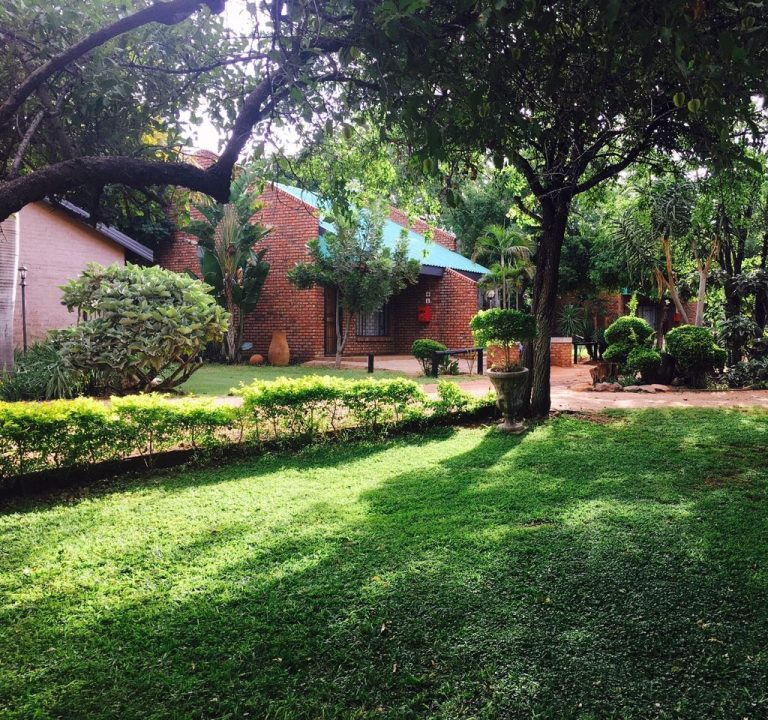
When choosing where to stay, consider the layout of the town and the distance to the parks and reserves you most want to explore. Musina itself provides basic amenities and a central hub for groceries and services, while lodges and guesthouses further afield tend to offer a more secluded, nature-forward experience. If you prefer a boutique vibe with personalised service, a lodge such as PADMAJ Lodge (details at the property’s official website) can provide a comfortable retreat with regional character. Look for properties that clearly indicate access to shade, comfortable bedding, reliable hot water, and on-site parking if you’ll have a car; many travellers find a private vehicle is essential here for easy day trips and dawn safaris.
Typical amenities to expect include en-suite bathrooms, air conditioning or fans for warmer months, Wi‑Fi, and secure parking. Some lodges offer communal lounges, bar facilities, and dinner options on site, which can be a convenience after long days in the bush. If you prefer self-catering, many guesthouses provide kitchen facilities or breakfast options, with easy access to nearby eateries for other meals. For families or longer visits, look for larger rooms, family suites, or separate chalets that provide space to unwind after a day of exploring.
Transport is a practical consideration in Musina. A car is by far the most convenient way to move between accommodation, reserves and town facilities, particularly for dawn and dusk game drives or sunset photo sessions. If you’re flying in, the closest major access points tend to be regional airstrips and connecting highways; from there, a guided transfer or private hire is often the simplest option. If you plan to self-drive, check that your vehicle has adequate clearance for rural roads and that you have a reliable GPS or offline maps, as some routes may be remote outside peak tourist areas.
Best time to visit Musina aligns with the broader Limpopo climate. The dry winter months, roughly from May to September, offer comfortable daytime temperatures for wildlife viewing and easier travel conditions. The wet season, typically from late spring into summer, brings lush scenery and dramatic skies but can bring heavier rainfall and higher humidity, which may affect road conditions and safari plans. If you’re sensitive to malaria, you’ll want to consult current guidance for northern Limpopo and take appropriate precautions when planning any game drives or community visits.
Planning your itinerary around nearby attractions can enrich your stay. The northern Limpopo region is famed for vast plains and dramatic landscapes that are best explored with a knowledgeable guide or ranger, particularly within protected areas. In broad terms, you’ll be aiming for a mix of wildlife viewing, scenic drives, and short walks or cultural experiences. If you’re staying near Lodge or reserve entrances, arrange an early morning or late afternoon activity to catch the wildlife at its most active and to enjoy cooler, quieter hours in the bush.
Restaurants and dining in and around Musina typically cover practical, well-prepared meals for travellers. Look for eateries offering hearty, simple dishes and local flavours, with options for vegetarians or lighter meals if needed. Many accommodation providers will offer breakfast and sometimes dinner on site, which can be convenient after a day in the parks. When venturing into town for meals, you’ll often find casual cafés and family-run establishments that prioritise value and straightforward, nourishing fare. If you plan a longer stay, consider setting aside one evening for a relaxed meal at your lodge or guesthouse to enjoy the hospitality and regional cooking without needing extra transport after dark.
Practical planning tips to help you make the most of your Musina stay:
- Confirm the pulling power of your accommodation: secure parking, secure doors, and comfortable bedding.
- Buffer travel time around wildlife drives; animals move at dawn and dusk, so plan early starts when possible.
- Pack layers for variable weather: mornings and evenings can be cool, with hotter days ahead.
- Carry sun protection and hydration for day trips; a light backpack can carry water and snacks for outings.
- Check water and electricity arrangements at your lodge, especially in remote locations that may have limited services during heavy rain.
- Respect local guidelines and park rules for safety and conservation, and engage with guided activities where possible for informative perspectives on the landscape and wildlife.
In summary, a stay in Musina can be anchored by comfortable lodges or guesthouses that offer a real sense of the region. The area’s appeal lies in its proximity to vast landscapes, the possibility of quiet wildlife encounters, and the chance to experience Limpopo’s warm hospitality. By selecting accommodation with dependable facilities, planning travel times carefully, and choosing activities that suit your interests, you’ll be well placed to enjoy a relaxed, enriching visit to this northern corner of South Africa. For more detailed planning, consult the lodge’s official site or trusted travel resources to tailor your itinerary to your preferences and the seasonal rhythm of the region.