Discovering Musina: Where to stay and what to do in Limpopo’s northern gateway
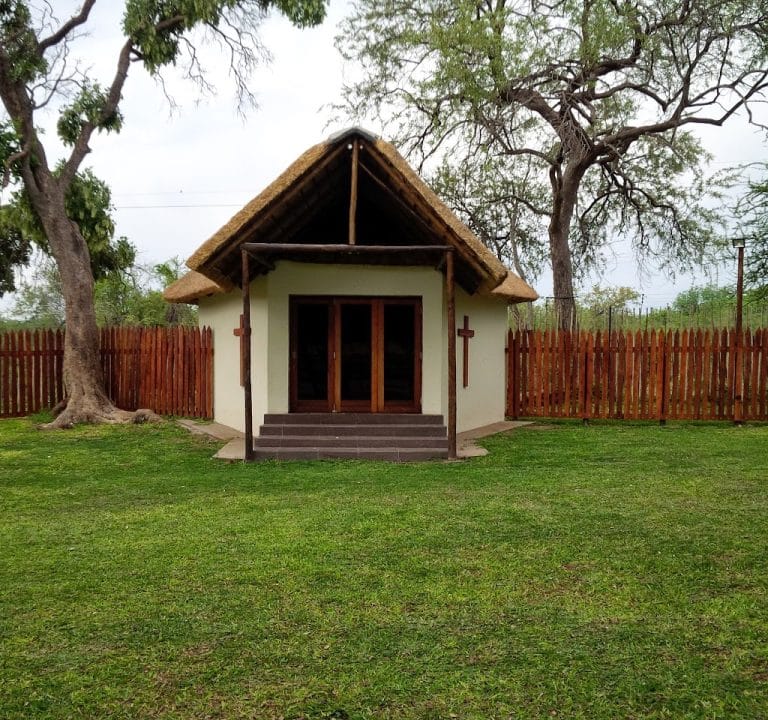
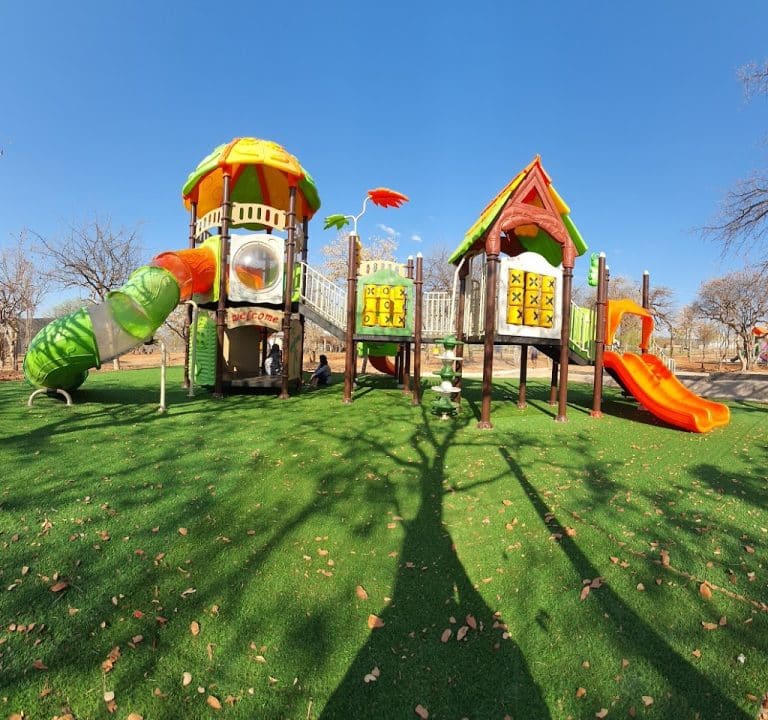
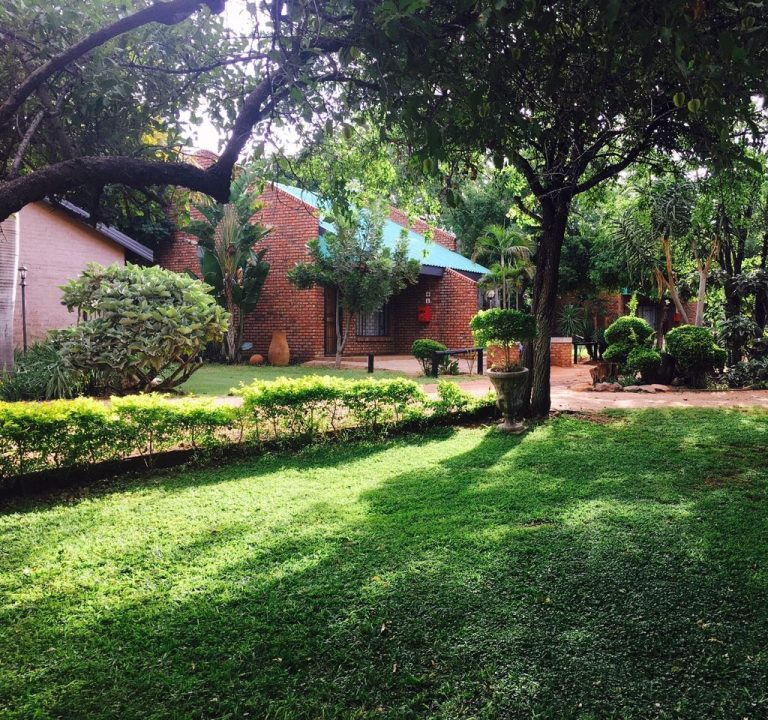
Musina, in Limpopo, is a practical base for travellers exploring the northern reaches of South Africa. With a mix of serviced accommodation, guesthouses and lodges, the town offers a straightforward starting point for encounters with regional wildlife, rugged landscapes and confluence of cultures. When planning a stay, think about proximity to northbound routes, access to nature reserves, and ease of transfers to nearby parks and rural communities. One example of accommodation in the area is Aloe Inn, a serviced accommodation option designed for short or longer visits, offering practical comforts and convenient access to local facilities. While specific details vary, serviced properties like Aloe Inn typically emphasise clean rooms, reliable housekeeping, and flexible stay lengths to suit business travellers, families or lone explorers.
Areas to consider when choosing where to stay in Musina include the town centre for easy access to shops and eateries, and the surrounding countryside or lodge clusters that provide a closer connection to nature. If you value a quiet setting with a more rural ambience, look for lodges or guesthouses on the outskirts of town or along the routes towards reserves. For convenience, many travellers prioritise properties within a short drive of major routes, fuel stations, and essential services, minimising daily transit time between activities. When evaluating options, check whether the accommodation offers on-site parking, secure storage for outdoor gear, and flexible reception hours that suit early starts or late arrivals.
Typical amenities to look for include comfortable beds with quality linens, en-suite bathrooms, reliable Wi‑Fi, and options for self-catering or light dining if you plan long days out. A guesthouse or lodge may provide shared kitchen facilities, breakfast services, and a pool or outdoor seating area—handy for recovery after a day in the heat or a game-viewing excursion. For serviced accommodation, expect regular housekeeping, a front desk or contact point for assistance, and perhaps a small social area or lounge. Read guest reviews to gauge the consistency of housekeeping, response times from staff, and the ease of arranging local experiences through the property or recommended operators.
Transport in and around Musina is practical but requires some planning. If you are flying into the region, arrange transfers from the nearest airstrip or airport in advance, as public transport options may be limited outside peak hours. For those hiring a car, ensure your rental includes sufficient space for equipment such as binoculars, hiking boots, or a camera tripod. In-country drives offer freedom to adjust schedules for wildlife encounters, scenic viewpoints, and village visits. When you don’t have your own transport, inquire about organised day trips or shuttle services offered by your accommodation or trusted partners. In many cases, a reliable, comfortable vehicle makes the most of Musina’s geography, where large distances separate key sights from town.
Best time to visit Musina ties into the climate and wildlife experiences. The dry season, typically cooler and sunny, is popular for safaris and outdoor activities, with drier road conditions and clearer wildlife viewing. The wet season brings vibrant landscapes and fuller rivers, but some outdoor plans may be affected by occasional heavy showers. Pack accordingly: breathable clothing for day trips, sun protection, a light rain layer, and sturdy footwear for walks in nature reserves or along uneven trails. If you plan to visit nearby parks or reserves, check opening times and any seasonal restrictions, and consider guided tours to enrich your experience with local knowledge and safety considerations.
Practical tips to enhance your stay:
- Book accommodation with flexible cancellation policies where possible, especially in peak travel periods or when weather can impact access to remote areas.
- Look for properties with clear information on security, on-site parking, and clear directions for arrivals after hours.
- Ask about guided excursions or partnerships with reputable operators for guided game drives, cultural visits, or nature walks.
- Respect local communities and environmental guidelines—staying in community-minded lodges can support local initiatives and conservation efforts.
- Keep essential items in your daypack: water, sunscreen, hat, insect repellent, snacks, and a compact camera to capture the unfolding landscapes.
Attractions and experiences in and around Musina tend to focus on nature, heritage and the vast openness of the North Limpopo region. Within a reasonable drive, you can explore expansive landscapes, wildlife corridors, and reserves that showcase biodiversity unique to the area. While names and exact details of venues may vary, most visitors combine a stay with short day trips to protected areas, wildlife-watching spots, and cultural experiences that emphasise community hospitality. For dining, expect a mix of simple, informal eateries and local restaurants offering hearty South African fare. In planning meals and evenings out, aim to balance convenience with opportunities to sample regional flavours and seasonal ingredients. When using online resources, check current hours and any required bookings, especially for weekend visits or holiday periods. Links to official tourism pages or the accommodation’s site can help you verify current amenities, suggested itineraries, and practical tips for Musina’s evolving visitor landscape.