Choosing a place to stay and planning your Cape Town visit
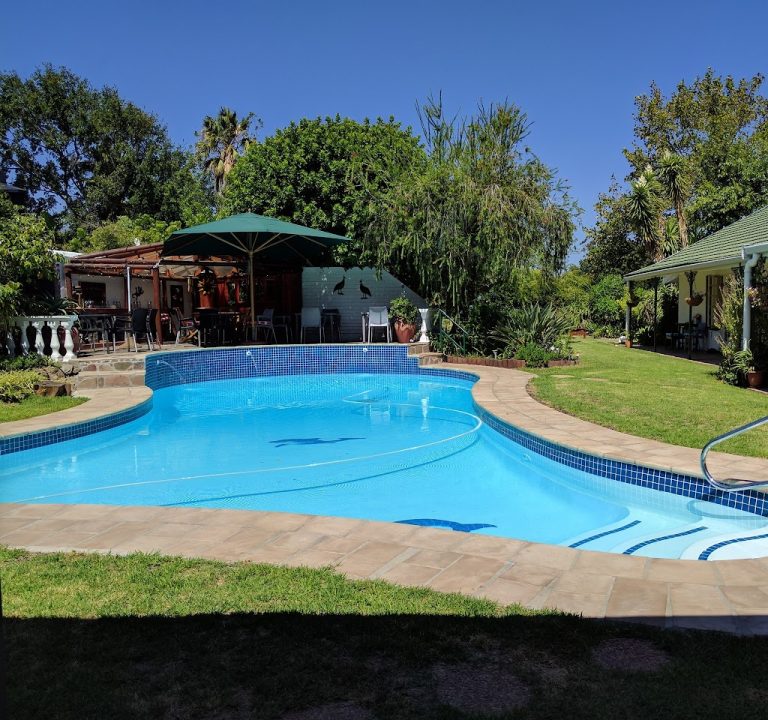
Cape Town, in the Western Cape of South Africa, combines dramatic scenery with a cosmopolitan rhythm. When choosing accommodation, you’ll find a wide range of options from leafy guesthouses in the city’s historic streets to stylish ocean-front stays along the Atlantic Seaboard. One example is Omega House, a welcoming bed & breakfast known for its personal touches and proximity to central attractions, shops and cafés. Whether you’re seeking a cosy start to your day with a hearty breakfast or a base to explore the peninsula, the right choice can set the tone for your whole trip.
Areas to consider include the City Bowl and central districts for easy walking access to cultural sites, museums and vibrant markets; the Atlantic Seaboard for sea views and beach walks; Camps Bay or Clifton for a resort-like feel with dramatic sunsets; Constantia for vineyard escapes and suburban calm; and the Southern Suburbs or Hout Bay as gateways to the Cape Peninsula. If you prefer a buzzy waterfront atmosphere, the V&A Waterfront area offers convenient dining and transport links, while the foreshore and central precincts provide compact access to hiking trails and gardens.
What to look for when booking is as important as the location. Prioritise comfortable, well-lit rooms with clean en-suites if possible, a secure entrance, and parking if you’re driving. Consider whether breakfast is included, or if you’ll be dining out each morning. Check for reliable Wi‑Fi, a practical workspace if needed, and whether the property offers shaded outdoor spaces, a pool or a sun terrace for downtime between excursions. Proximity to public transport is a big plus in Cape Town, with the MyCiTi bus network, trains to surrounding towns, and ride-hailing services offering flexible options for day trips and evening meals.
Typical amenities at Cape Town stays often include thoughtfully appointed bedrooms, daily housekeeping, a self-service tea and coffee station, fresh towels, and access to a communal kitchen or dining area. Some B&Bs and guesthouses offer curated experiences or local recommendations, ranging from guided walks and wine-tasting trips to scenic drives along the coast. If sustainability matters to you, look for properties that emphasise energy efficiency, water conservation and locally sourced breakfast supplies.
Planning your transport and daily schedule helps you maximise your time. For day trips to the Cape Point or penguin-friendly shores, a car offers flexibility, though guided tours or private drivers simplify logistics and reduce navigation concerns. Within city limits, many attractions are reachable by short rides or a walk from central bases. When you’re planning evenings out, consider whether you’ll dine al fresco on a harbour promenade, enjoy a refined restaurant in a boutique neighbourhood, or sample casual South African braai and street-inspired fare at popular eateries.
Best time to visit Cape Town generally aligns with mild conditions and lower rainfall in the shoulder seasons: spring (September to November) and autumn (March to May). Winter (June to August) can be cooler and windier, yet it can be quieter and more budget-friendly. Summer brings longer days and busy beaches, so booking ahead is wise if you want premier tables or a room with sea views. If you’re exploring the Cape’s natural highlights, mornings are often best for Table Mountain and coastal hikes, while late afternoons are ideal for sunset viewpoints and harbour ambience.
Practical tips for a smoother stay include staying mindful of safety in busy districts, securing valuables in the room, and keeping a travel card or small local cash for markets and tips. Pack versatile clothing suitable for warm days and cooler coastal evenings, and bring a light rain layer for unexpected showers. If you’re visiting during peak season, aim to book accommodation several months in advance and confirm check-in times in advance, particularly if you’ll be arriving late. A compact umbrella or a sunhat and sunglasses are useful year-round in Cape Town’s varied climate.
For ideas on what to see and where to eat, start with the whole Cape Town region’s highlights rather than fixed itineraries. Iconic landscapes, promenades, and public gardens offer frequent, easy access from most central stays. You’ll find a broad mix of cuisines, from authentic South African dishes to modern, international fare, with a focus on seafood, bistro-style menus, and patisserie in many neighbourhoods. Local markets and cafés provide informal, friendly experiences to complement scenic day trips and guided tours.
- Choose areas based on preferred pace: buzzing city access vs. tranquil suburbs with easy beach access.
- Prioritise properties with clear access routes and parking if you’re driving.
- Book popular time slots for Table Mountain and harbour experiences well in advance.
- Balance time between natural highlights, gardens, and city dining for a well-rounded stay.
To plan your stay, you can consult official resources such as Cape Town Tourism for current attractions, seasonal tips and transportation guidance, and explore the options within your chosen neighbourhood. For more inspiration, consider visiting pages that describe general experiences around the city’s coastlines, markets, and historic districts. Remember to check the property’s own website for the latest rates, cancellation policies and any themed local experiences offered to guests.