Giyani, Limpopo: accommodation, activities and planning a memorable stay
Giyani in Limpopo offers a gateway to South Africa’s northern landscapes, with a friendly, approachably rural atmosphere and convenient access to the wider Mopani region. For visitors, the area presents a range of lodge-style stays, guesthouses and self-catering options that combine comfort with an authentic sense of place. A well-chosen base such as a lodge like Oasis Lodge can provide generous common spaces, welcoming hospitality and practical conveniences for exploring both natural sights and local culture.
When planning a stay, consider where you want to base yourself. Central Giyani is convenient for day trips and for accessing essential services, while the surrounding countryside can provide a quieter, more immersive rural experience. If you are self-driving, a lodge or guesthouse with ample parking and straightforward access to main routes will help you maximise your time. If public transport is your preference, check in advance about shuttle options or guided tours that include pick-up, to reduce waiting times and uncertain connections.
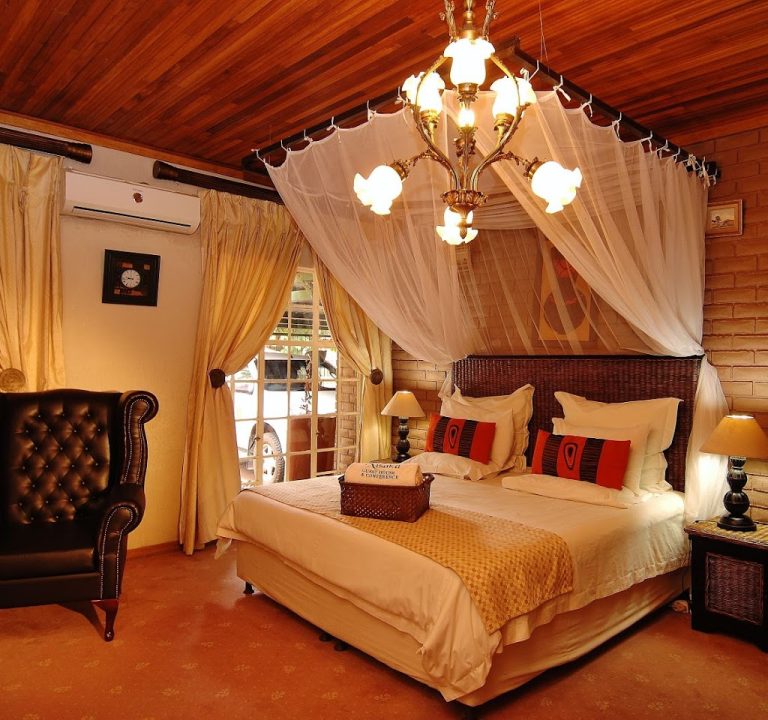
Typical accommodation in the area spans boutique lodges, self-catering cottages and small guesthouses. Common features you might encounter include air-conditioned or ceiling-fan bedrooms, en-suite bathrooms, clean linens, meals or self-catering facilities, ample parking, and reliable Wi‑Fi. Many lodges in the region also offer on-site loungers, shaded verandas, and outdoor dining areas that invite relaxed evenings after day trips. When booking, review what is included in the rate — such as breakfast, dinner, or guided activities — so you can plan meals without surprises. If you travel with a group or family, look for family-friendly layouts, extra beds or interconnecting rooms to keep everyone comfortable.
Practical planning tips help make the most of a stay in Giyani. Pack essentials for variable weather: the area can be warm and sunny, particularly in the dry season, but evenings may cool down, so a light jumper is handy. If you plan to explore outdoor attractions or nature reserves, comfortable footwear and sun protection are advisable. Depending on the season, you may encounter mosquitoes, so insect repellent and a basic first-aid kit are sensible additions to your packing list. Check with your accommodation about any vaccination or prophylaxis recommendations for the broader region, and always carry a map or offline navigation in case phone reception is patchy in rural areas.
Transport options will shape your itinerary. A car provides the most flexibility to explore at your own pace and reach attractions on time. If you prefer guided experiences, many lodges and guesthouses can arrange day tours, cultural visits or nature walks with a local guide. When planning longer trips, factor in driving times between destinations and include a buffer for road conditions or weather-related delays. It’s wise to discuss the logistics with your host or lodge staff, who can suggest efficient routes and provide up-to-date local knowledge.
Best time to visit Giyani depends on what you’d like from your trip. The dry winter months (roughly May to September) are pleasant for outdoor activities and wildlife viewing in the broader Limpopo region, with clearer roads and comfortable daytime temperatures. The wet summer season (roughly October to April) brings lush scenery and dramatic skies, though some routes can become more slippery, and daytime heat can be high. If your interest lies in local culture and outdoor markets, late spring or autumn can offer a balance of comfortable weather and active community life. For travellers who are mindful of malaria risk in nearby low-lying areas, consult current travel health advice and take appropriate precautions if your plans extend to ecosystems where mosquito activity is higher.)
Attractions in and around Giyani tend to cluster around nature, culture and regional scenery. Expect opportunities to explore nearby reserves or community-led initiatives that share wildlife conservation stories, traditional crafts, and rural traditions. You may also encounter viewpoints and short nature trails that suit a relaxed itinerary. For food experiences, many lodges and guesthouses offer regional influences on their menus, reflecting local ingredients and home-style cooking. While exact names, prices or awards should be confirmed locally, you can anticipate a warm welcome and dishes that highlight flavours typical to Limpopo.
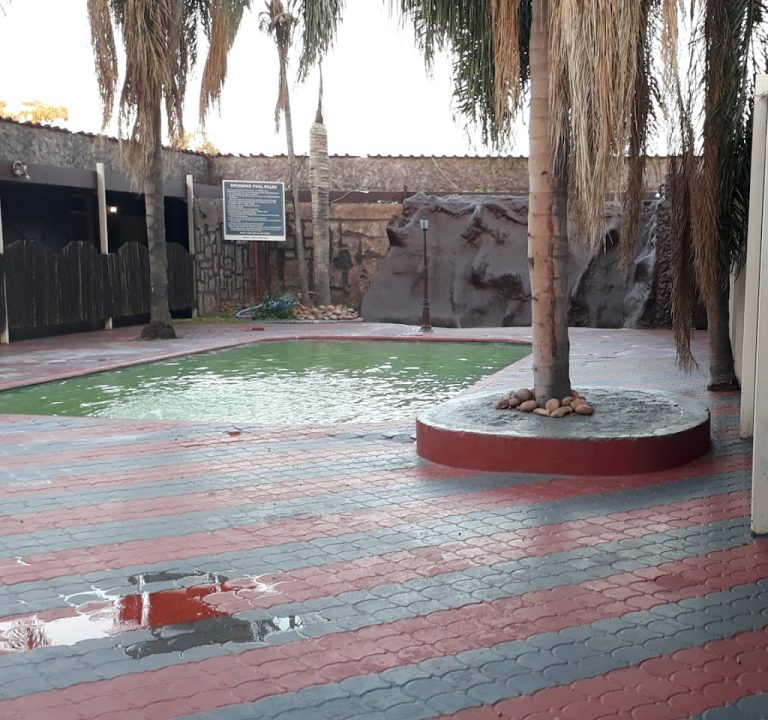
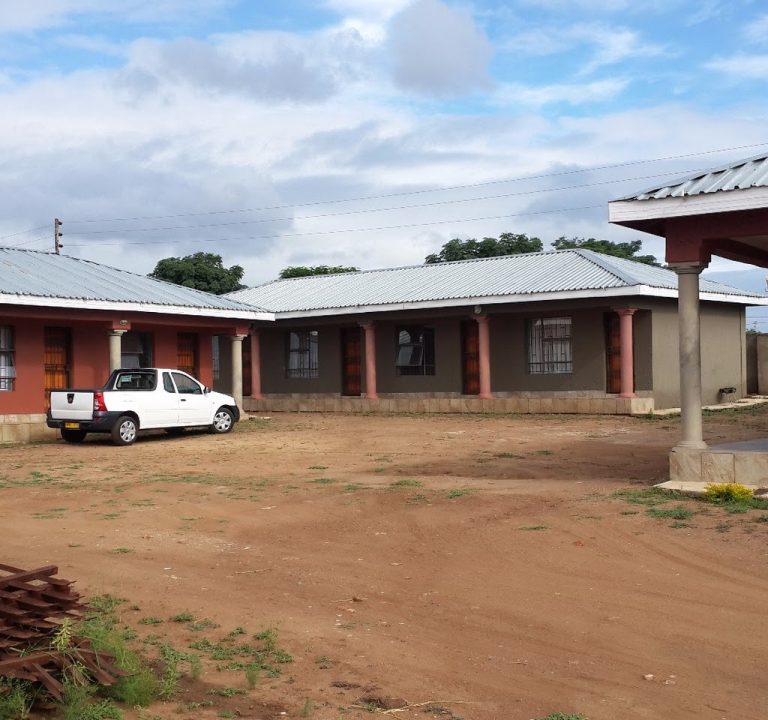
Accommodation options such as Oasis Lodge (a lodge-style stay in the area) can provide a comfortable base from which to enjoy both relaxation and discovery. When researching lodges or guesthouses, look for properties with clear house rules, transparent payment terms, and accessible cancellation policies. If you plan to visit on a budget, consider self-catering or bed-and-breakfast formats, which often provide better value and more intimate engagement with hosts who can share practical tips about local dining spots and hidden vantage points.
To help you compare choices and plan effectively, here are a few practical tips to keep in mind:
- Check proximity to your preferred activities and ensure travel times align with your daily plans.
- Confirm what meals are included and whether there are options for dietary preferences.
- Ask about guided tours, safaris or community visits organised by the property.
- Review the property’s policies on child-friendly facilities, noise levels, and accessibility if needed.
- Ask for local recommendations on safe walking routes, markets and casual eateries that suit different budgets.
For further information during planning, visiting the Limpopo regional tourism website or contacting the accommodation directly can provide current recommendations on routes, seasonal considerations and suggested day trips. Whether you’re seeking a peaceful retreat, a base for wildlife adventures, or a cultural immersion, a well-chosen stay in Giyani can offer a thoughtful balance of comfort and discovery in one of South Africa’s most fascinating rural landscapes.