Giyani: A Practical Guide to Accommodation and Experiences in Limpopo
Nestled in the northern reaches of Limpopo, Giyani offers visitors a gateway to the broader Mpumalanga–Limpopo frontier with a friendly village atmosphere, wide open spaces and easy access to nature and cultural experiences. When planning a stay in this part of South Africa, it helps to balance comfortable accommodation with proximity to natural sights, practical transport options and opportunities to meet local communities. A range of lodges, guest houses and bed-and-breakfasts provide friendly service and a sense of place that makes longer visits feel effortless.
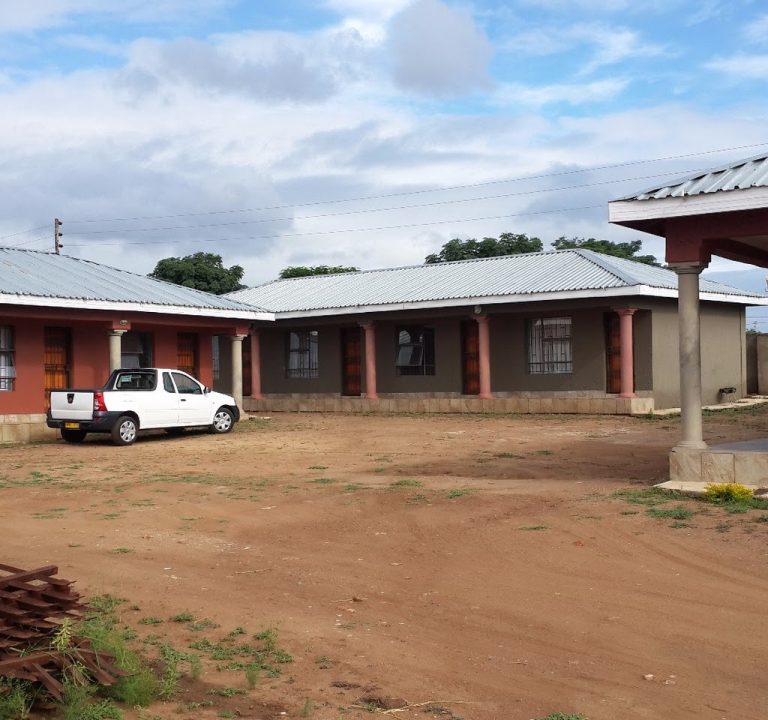
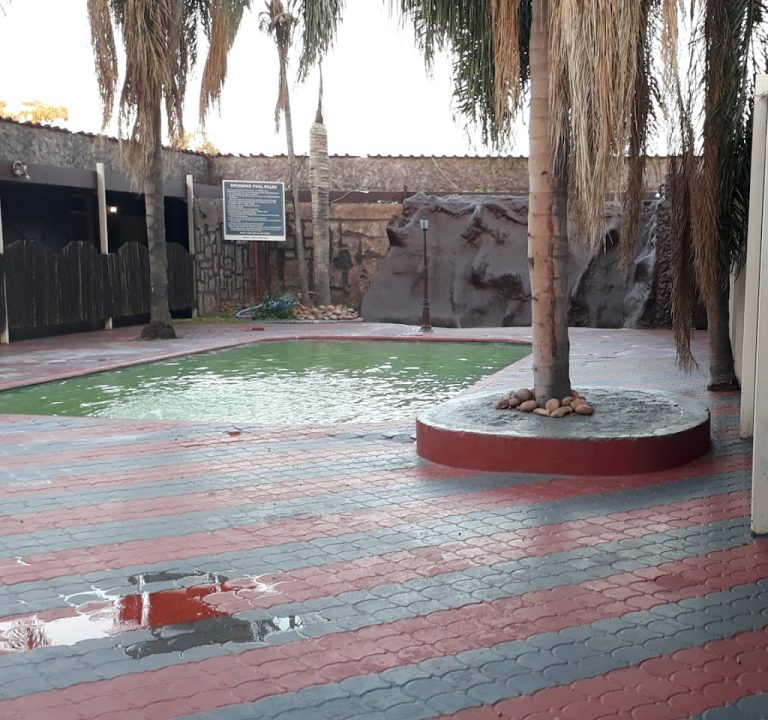
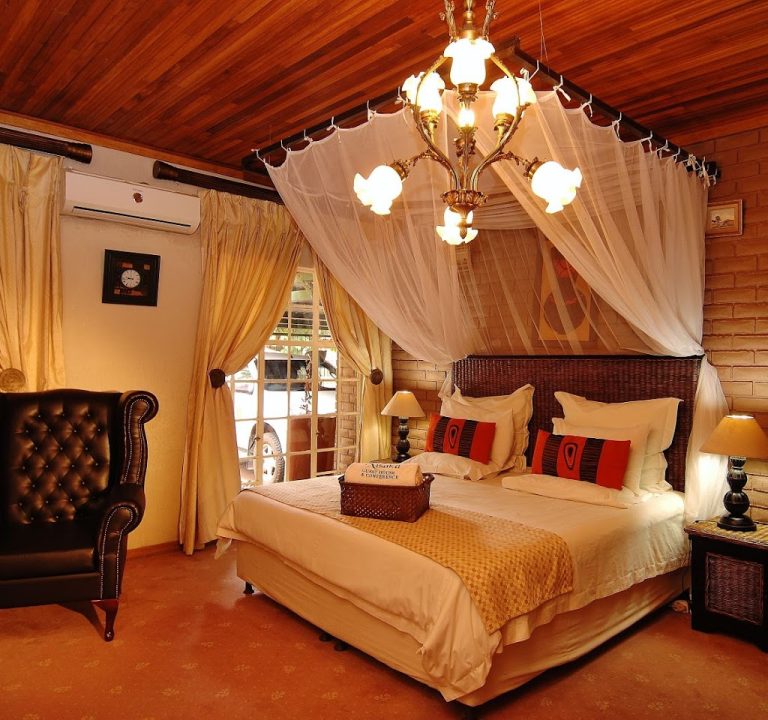
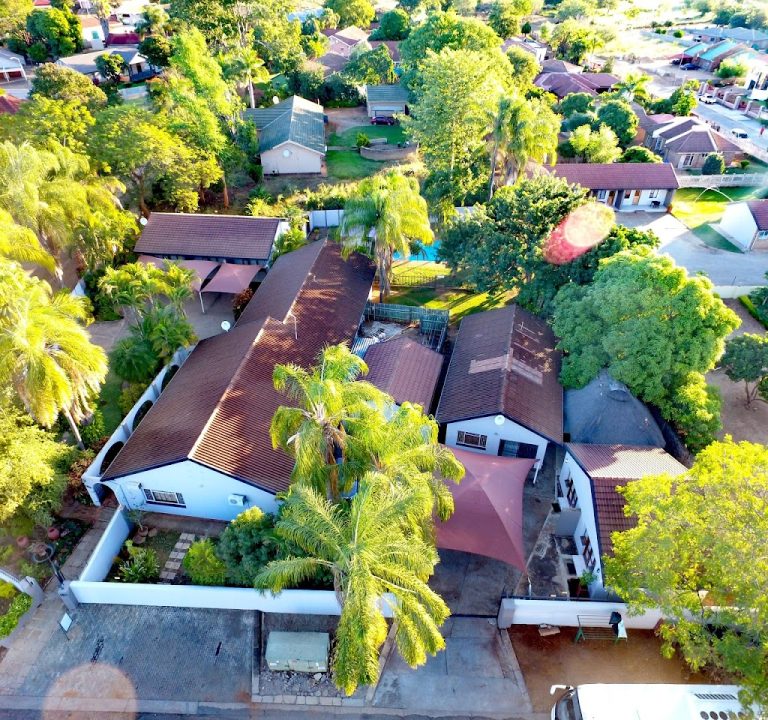
Accommodation in and around Giyani ranges from simple, well-run B&Bs to guest houses and small lodges that prioritise hospitality and value. A stay in a bed-and-breakfast or guest house is often the best way to experience everyday life in Limpopo while enjoying the comforts travellers expect—clean rooms, hot showers, secure parking and a warm welcome. When choosing where to stay, consider whether you want a rural, village-style setting or a more compact, lodge-like property with shared public spaces. Some options may offer meals on site, which can be convenient for heavier travel days or when avoiding long drives between dining options.
Typical amenities to look for include private or en-suite bathrooms, reliable hot water, clean bedding, and a social or communal area where guests can gather. If you are visiting during the hotter months, a fan or air conditioning is a real plus; in the milder seasons, good natural ventilation can keep rooms comfortable. Free on-site parking, secure access, and dependable Wi‑Fi are practical considerations for most travellers. For those who are exploring by car, proximity to main roads or the town centre will cut down on travel time after day trips to nearby attractions. If you plan to be out at dawn or dusk for wildlife viewing, check whether the accommodation offers early breakfasts or packed-lunch options.
Transport is a key part of planning. Many visitors hire a car when staying in Giyani, which provides the flexibility to explore at your own pace and to reach nearby nature reserves, cultural sites and markets. For travellers without a vehicle, it is worth asking your host about local transfer options or the availability of guided excursions. Clear communication about check-in times and procedures is essential, especially if you arrive after normal hours or in the evening, when some smaller properties may operate with limited front-desk hours.
The best time to visit Giyani and the broader Limpopo region depends on your priorities. Dry-season conditions (roughly May to September in this subregion) can make wildlife viewing easier and travel more predictable, though some days can be hot. The rainy season brings lush landscapes and vibrant birdlife, but keep in mind occasional showers and rougher rural roads after heavy rainfall. Practically, shoulder seasons can offer a good balance of pleasant weather, fewer crowds and more availability at a range of properties. If you are planning outdoor activities such as nature walks or village visits, packing layers, sun protection and a light rain jacket is sensible year-round.
When it comes to experiences, Giyani and the surrounding area offer more than just a place to rest your head. Visitors can expect a sense of community, opportunities to learn about local traditions and crafts, and access to natural scenery that supports outdoor pursuits such as birdwatching and short hikes. While specific attractions and businesses evolve, most travellers enjoy a relaxed itinerary that includes exploring local markets, engaging with guides about the landscape and its wildlife, and experiencing the rhythms of small-town life in Limpopo. Dining options typically range from simple, home-style meals to light snacks at guest houses; a few properties may offer on-site meals or have relationships with nearby restaurants. For those who prefer to dine out, ask hosts for current recommendations to ensure options align with your tastes and dietary needs.
Practical planning tips:
- Book in advance during peak travel periods to secure your preferred room type and meal arrangements.
- Clarify check-in and check-out times, especially if you will be arriving late or departing early.
- Ask about security features, such as gated parking and entry systems, for peace of mind.
- Check what is included in the rate (breakfast, dinner, or self-catering options) and whether there are additional charges for amenities.
- In malaria-prone areas, discuss preventive measures with your accommodation or a local travel clinic before you travel.
- Bring cash for local markets and small vendors where card facilities may not be available.
- Respect local customs and communities by seeking guidance from hosts on cultural norms and sensitivities.
One example of a welcoming option, such as Lifelight Guest House, can illustrate what many travellers seek: comfortable rooms, a friendly host and the chance to feel at home while exploring the region. If you are considering this style of stay, visit the property’s website or contact the operator to confirm the latest rates, room configurations and any package deals that align with your itinerary.
In terms of planning your stay, map out a simple itinerary that balances rest days with short excursions. Allow a couple of hours to explore the town on foot, enjoy a meal at a local eatery, and plan one nature-based activity for each day. With thoughtful booking, sensible packing, and a relaxed pace, a stay in Giyani can offer a comfortable base from which to discover Limpopo’s breadth of landscapes, communities and quiet moments.