Accommodation and Experiences in Franschhoek: Planning a Memorable Stay
Franschhoek, in the Western Cape, is renowned for its scenic valley setting, viniculture heritage and a celebrated culinary scene. When planning a stay here, travellers should think beyond a single hotel or guesthouse and consider the different neighbourhoods and routes that give you access to the area’s best experiences. Options range from intimate guesthouses tucked along tree-lined streets to boutique lodges with hillside views, each offering its own flavour of Franschhoek hospitality.
Areas to consider include the centre of town, which is convenient for strolls to art galleries, wine-tasting venues and gourmet eateries, as well as quieter pockets along the valley where accommodation often feels more private and secluded. If you prefer panoramic landscapes and easy access to vineyards, look for properties on higher ground or along the valley floor where morning light and vineyard views can start your day with inspiration. For a hands-on escape, consider places that provide guidance or partnerships with local producers, farmers’ markets or cellar doors.
When booking, think about what matters most for your experience. Do you want a self-contained suite with a kitchen for flexible dining, or a full-service guesthouse with on-site hosts who can tailor itineraries? The best options strike a balance between comfort and local immersion. Expect well-kept rooms, comfortable beds, reliable Wi‑Fi, and thoughtful amenities such as private terraces, swimming pools, and access to tranquil gardens. Some properties offer in-room breakfast, while others partner with nearby cafés for a head start to the day.
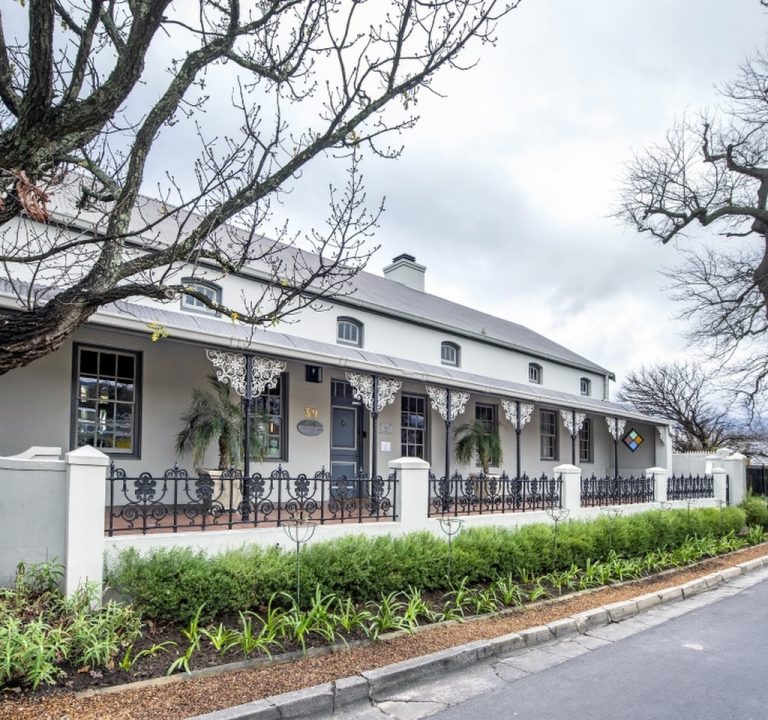
- Privacy and character: Look for properties with distinctive architecture, a welcoming lounge or courtyard, and a sense of place that reflects Franschhoek’s heritage.
- Proximity to dining and tasting rooms: Being within walking distance to the town’s culinary core can save time and enrich your evenings.
- Amenities that suit your pace: A pool for heat‑wave days, a well-equipped kitchen for longer stays, or a cosy fireplace for cooler months.
- Host experiences: Some hosts offer customised recommendations, vineyard tours, or seasonal market tips to help you make the most of your visit.
- Transport and parking: Check whether on-site parking is available and how easy it is to get around by foot, taxi or organised tours.
Typical amenities in Franschhoek accommodations include en-suite bathrooms, air conditioning or heating, and well-appointed bedding. Many properties provide complimentary bottled water, tea and coffee making facilities, and secure storage for luggage. Breakfast options can range from continental to cooked-to-order, and a few guesthouses offer afternoon or evening tasting experiences that showcase the region’s terroir and culinary influences. If you’re driving between estates, ask about parking arrangements and any access restrictions in residential streets.
Transport within Franschhoek often centres on walking-friendly streets and short taxi or rideshare hops. The town is compact enough for easy exploration on foot, but a car can be handy for visits to surrounding wine estates or for day trips to nearby towns. If you prefer not to drive, many itineraries can be arranged through hosts or local operators, including vineyard tastings, scenic routes, or art walks. Consider pre-booking experiences during peak seasons, particularly in spring and autumn when the countryside is at its most vivid and the dining scene is in full flow.
Best time to visit Franschhoek generally aligns with the winery calendar and pleasant weather. Spring (September to November) and autumn (February to April) are popular for milder temperatures, fewer crowds, and vibrant landscapes. Harvest season brings a heightened sense of activity at vineyards, and restaurants showcase seasonal produce at its best. In winter, the region tends to be quieter and more atmospheric, with cosy dining spaces and fireside corners; summer offers long, sunlit days suitable for garden dining and outdoor tastings, but can be busy with tourists.
For travellers who prioritise a good balance of food, wine, scenery and rest, consider pairing your stay with a curated itinerary that includes a vineyard walk, a visit to the local galleries or a farm-to-table dining experience. A well-planned visit allows you to pace your days, savour a diverse range of landscapes, and linger over conversations with winemakers and chefs who understand the nuances of Franschhoek’s cuisine and terroir.
One example of local hospitality is Oakside Private Rooms, a guest house that seeks to provide a comfortable base with easy access to the town’s attractions. For those who are curious, more information about Oakside Private Rooms can be found on their official website: Oakside Private Rooms.
Finally, when researching where to stay, read recent guest reviews to gauge consistency in areas such as cleanliness, service level, and responsiveness. Consider how well the property aligns with your travel style—whether you want a tranquil retreat, a social hub in the heart of town, or a stylish base from which to explore the Cape’s renowned food and wine offerings. With thoughtful planning, Franschhoek can offer a memorable blend of comfort, culture and countryside that satisfies both relaxation and adventure.