Discovering Johannesburg: Where to stay and what to do in Gauteng
Johannesburg, a vibrant gateway to Gauteng, offers a dynamic mix of stylish B&Bs, boutique guesthouses, and modern hotels tucked into neighbourhoods with their own character. When planning a stay, think about what you want to experience most: culture and history, convenient access to business hubs, or a lively dining and nightlife scene. A well-chosen base can cut transit time and maximise your time exploring the city’s diverse attractions.
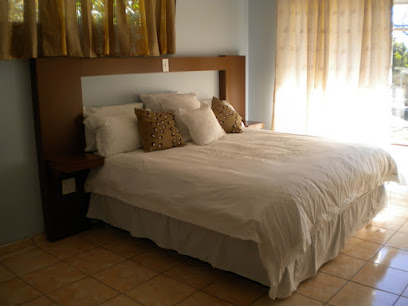
Accommodation options span from intimate bed & breakfasts to contemporary boutique hotels. A traditional B&B such as Nyati Bed & Breakfast can provide a personal touch, with homely rooms and shared breakfasts that give you a flavour of local hospitality. Guesthouses in central districts often offer compact, well-equipped rooms with secure parking and easy access to public transport. For those seeking a more polished stay, purpose-built hotels in upmarket areas deliver predictable comfort, reliable Wi-Fi and a higher level of onsite facilities.
Areas to consider include:
- Sandton and Morningside: close to business hubs, upscale shopping, and fine dining, with a wide range of lodging options.
- Rosebank: a convenient base for access to the Gautrain, diverse eateries, markets and galleries.
- Braamfontein and Newtown: energetic, with a strong arts and culture vibe, close to museums and theatres.
- Johannesburg City Centre (CBD): a hub for history and architecture, with budget-friendly stays and easy access to urban experiences.
- Soweto and surrounding townships: authentic day trips and guided tours offering insight into South Africa’s past and present.
What to look for when booking
- Location relative to your planned activities—ideally within walking distance of dining, entertainment, or public transport links.
- Security and parking arrangements, especially for self-drive travellers or those returning late from outings.
- Room configuration and amenities: en-suite bathrooms, reliable Wi-Fi, air conditioning or ceiling fans for the warm months, and breakfast options.
- Guest reviews and host responsiveness—personal recommendations can enhance your stay, particularly in central districts where noise levels or nearby nightlife may affect sleep.
- Policies on cancellation and transfers, as the city’s weather and activities can influence travel plans.
Typical amenities you may encounter include free breakfast, Wi-Fi throughout, secure parking or easy access to rideshares, self-catering facilities, and on-site laundry. Some properties offer rooftop views, pool areas, or quiet courtyards that are ideal for relaxing after a day of sightseeing. When choosing where to stay, consider how much walking you want to do and whether you’d prefer a quieter residential street or a lively area near cafés and markets.
Transport and getting around
Johannesburg has a broad transport network. The Gautrain provides fast rail links to Pretoria and the airport, while local taxi apps and ride-hailing services offer convenient city travel. If you’re renting a car, many accommodations provide secure parking, but be prepared for busy streets and fluid traffic patterns. In central districts, walking and short rides are often the best way to explore on a day-to-day basis, with cultural attractions, markets and eateries clustered in walkable pockets.
Best time to visit
Johannesburg enjoys a temperate climate, with warm summers and cooler winters. The dry season (roughly May to August) can be pleasant for outdoor activities and city walks, while the shoulder seasons offer milder conditions and fewer crowds. Rain is most common in the late summer months, so travellers planning open-air experiences or outdoor markets may prefer the drier parts of the year. Pack layers to adapt to changing temperatures between day and night.
What to see and do in and around the city
There are several world-class museums and cultural centres, historic sites, and vibrant markets. The city often serves as a gateway to meaningful tours and experiences in the surrounding region. In addition to museums and galleries, you’ll find neighbourhoods that showcase contemporary art, boutique shops, and a variety of dining concepts—from traditional favourites to modern fusion. For a broad sense of the area, consider a day that combines a cultural visit with a neighbourhood stroll and a relaxed meal at a restaurant that reflects local flavours.
Practical tips for travellers
- Book accommodation with reliable security and clear information about access during late hours.
- Plan your itinerary with respect for traffic patterns and safety, particularly in the CBD and certain townships after dark.
- Don’t miss a morning walk through markets or precincts that showcase craft, design, and street food options.
- Check guesthouse or hotel amenities to ensure you’ll have the right balance of comfort and convenience for your stay.
For further inspiration and practical planning, you can visit Visit Johannesburg’s official tourism pages for current guidance on areas to stay, suggested day trips, and dining ideas. With thoughtful planning and a comfortable base, Johannesburg can offer a memorable blend of history, culture, and modern hospitality that suits a wide range of visitors.