Ulundi: Where to stay and what to do in KwaZulu-Natal’s heartland
Ulundi, the capital of KwaZulu-Natal’s historic political heartland, offers a convenient base for travellers exploring the scenic valleys and traditional heritage of the region. When planning a stay, consider a mix of comfortable lodges, guesthouses and boutique hotels that balance easy access to the town with opportunities to explore surrounding landscapes, villages and cultural sites. Rates and availability can vary seasonally, so packing a flexible plan helps you secure a well-situated base without sacrificing comfort.
Accommodation in Ulundi runs from mid-range hotels to guesthouses and small lodges. One prominent option type to look for is a property that combines a central location with straightforward access to the main roads and local attractions. Typical amenities you might expect include on-site dining or easy access to nearby eateries, secure parking, clean rooms with en-suite facilities, air conditioning or fans for warmer months, and reliable Wi‑Fi. If you are travelling with family or a group, inquire about family rooms, additional sleeping arrangements, and the possibility of arranging guided excursions or transfers. For a restful stay, seek properties with quiet rooms, shaded outdoor areas, and a friendly, knowledgeable front desk team able to help with local tips.
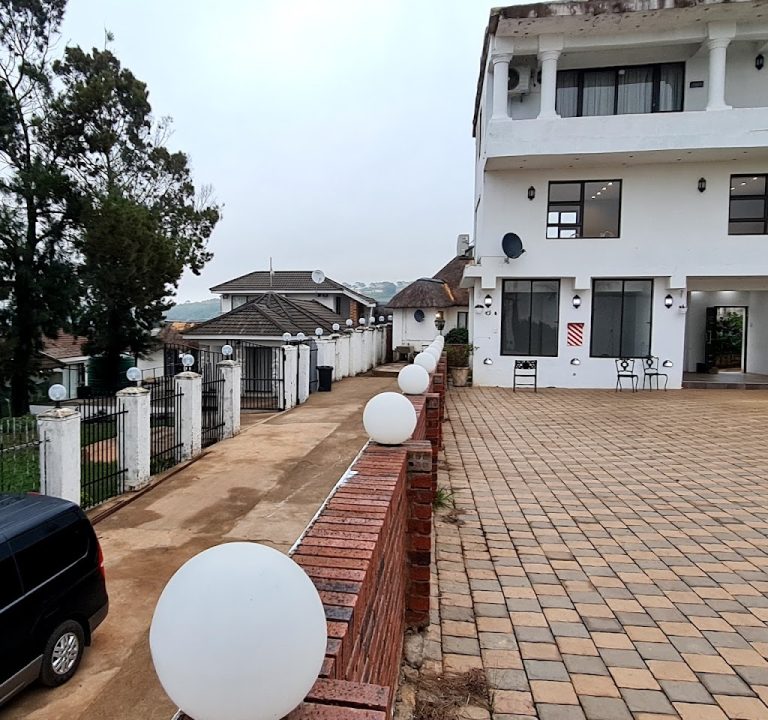
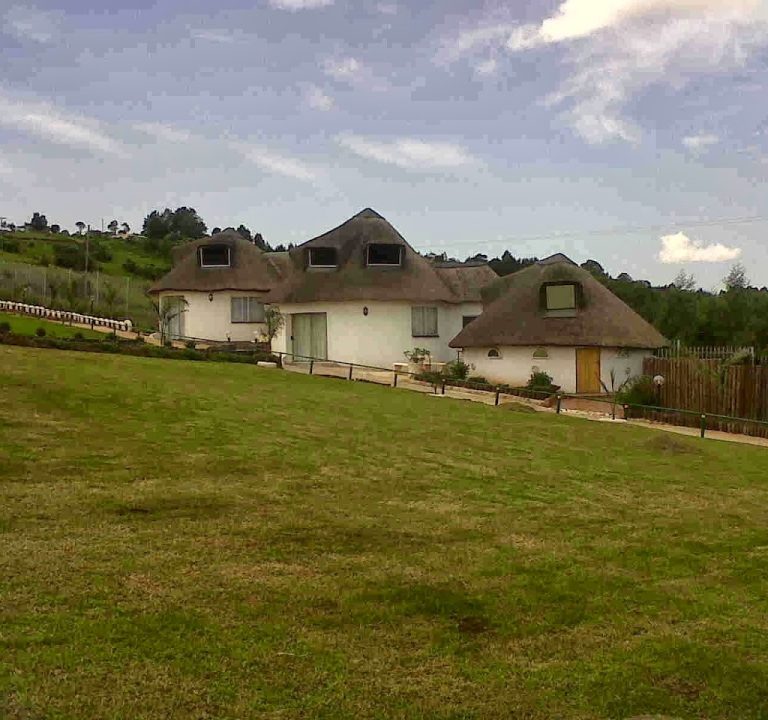
Nyanya Resort, represented here as an example of the hotel category in the area, may offer a comfortable stay with convenient access to Ulundi’s services and nearby sites. When considering Nyanya Resort or similar properties, assess location relative to the town centre, gas stations, supermarkets, and any planned cultural or community events. If a property presents a garden, pool or terrace, it can provide a pleasant retreat after day trips. Always check for clear booking policies, including cancellation terms, and confirm what is included in your rate—breakfast, parking, and access to facilities are common inclusions worth confirming in advance.
Transport in and around Ulundi is typically straightforward but requires a bit of planning. The town serves as a practical hub for day trips into surrounding rural communities and nature areas. If you are not driving, ask your accommodation about arranging airport transfers, shuttle services, or guided tours. When you do hire a car, ensure you have adequate insurance and a reliable navigation plan, as signposting can be modest in some rural sections. For eco-conscious travellers, check whether your accommodation supports recycling, minimises single-use plastics or participates in community initiatives, as many local properties value sustainable practices and offer tips on low-impact excursions.
The best time to visit Ulundi depends on your preferred activities. The climate in KwaZulu-Natal tends to be warm to hot in the summer and mild in the winter. For outdoor exploration and game-spotting in nearby reserves, late spring and autumn often provide comfortable temperatures with less rainfall. If your visit centres on cultural experiences and markets, plan around local event calendars, recognising that some venues may operate on limited hours outside peak seasons. Regardless of when you travel, bringing layers, sun protection and a light rain jacket helps you stay comfortable through changing weather patterns.
When selecting where to stay, focus on practicalities that matter for your daily plans. Proximity to the town’s amenities – such as shops, casual dining options, and local transport links – is often more valuable than being at the far edge of town. Check room configurations and noise levels, especially if you are sensitive to street sounds or room temperatures. Look for properties that provide clear information about security, especially for guests arriving after dark, and that offer friendly, accessible staff who can assist with bookings for excursions, or recommendations for where to eat and what to see.
Attractions and activities in and around Ulundi typically include a mix of heritage, museum, nature and community experiences. Visitors often enjoy learning about the region’s Zulu history and culture, exploring nearby rural landscapes, and encountering local crafts and markets. While exact venues may change over time, a balanced itinerary can include a heritage site or museum, a guided township or village visit, and a nature outing in the surrounding countryside. For meals, many visitor-focused properties are located near informal eateries and cafes where you can sample everyday KwaZulu-Natal cuisine, or you can dine at hotel or guesthouse restaurants that offer simple, hearty meals with regional flavours. When planning your day, leave room for spontaneous discoveries and friendly chats with residents and hosts, who can suggest off-the-beaten-path experiences that may not appear in the guidebooks.
Practical tips to help you plan a smooth stay:
- Book accommodation with clear access directions and visible staff contact points for after-hours help.
- Ask about security features, including lighting, gates, and room safes, especially if you plan early departures or late returns.
- Confirm what is included in the rate (parking, breakfast, Wi‑Fi, and use of facilities) before arrival.
- Check travel times to key attractions to avoid long transfers during peak heat of the day.
- Look for flexible cancellation policies in case plans change.
In summary, Ulundi offers a practical base for exploring central KwaZulu-Natal with a range of accommodation styles to suit different budgets and preferences. By selecting a well-situated property, planning transport with some flexibility, and keeping expectations realistic about local attractions, you can enjoy a relaxed, culturally enriching stay that complements the region’s landscape and hospitality. For further information and current offers, you can explore the property’s official pages or trusted travel websites that feature Ulundi lodging options and traveller-focused tips.