Planning a stay in Phalaborwa, Limpopo: where to stay, what to do, and how to make the most of your visit
Phalaborwa in Limpopo is a gateway to some of South Africa’s most iconic wildlife experiences, while offering a surprisingly varied urban and natural retreat. When choosing accommodation, consider how you want to balance nature, convenience and downtime. The town sits close to the mighty Kruger National Park, making it a practical base for daily safaris, but there are also boutique lodges, guesthouses and comfortable self-catering options that suit families, couples and solo travellers alike.
Accommodation options range from intimate bush lodges to modern guesthouses and self-catering units. If you prioritise proximity to wildlife, look for lodges with guided safari activities or partnerships with reputable tour operators. For those seeking a calmer, more boutique experience, smaller lodges and guesthouses often offer personalised service, spacious outdoor spaces and easy access to essential amenities. In Phalaborwa, it is common to find properties that combine breakfast with easy access to local attractions, while some places offer full-board or on-site dining options, which can be convenient after long days in the bush.
When planning a stay, think about the following areas and how they align with your plans:
- Central Phalaborwa: convenient for shops, restaurants and travel connections, with easy access to the Kruger Gate and other day-trip routes.
- Namakgale and surrounding suburbs: often more affordable and quiet, with straightforward road access to the main sights.
- Rural lodges on the edge of protected areas: ideal for immersive wildlife experiences and privacy, often set in scenic landscapes with large outdoor spaces.
- Self-catering options near nature reserves: good for families or groups who want flexibility and space.
What to look for when booking:
- Location relative to your planned activities: a short drive to Kruger National Park’s entrance gates can save time and fuel.
- Transport links: verify whether the property offers airport or gate transfers, or if you will rely on hired vehicles and local taxis.
- Amenities: a reliable air‑conditioning system is important in warmer months; en-suite bathrooms, clean linen, and spotless communal spaces contribute to a relaxed stay.
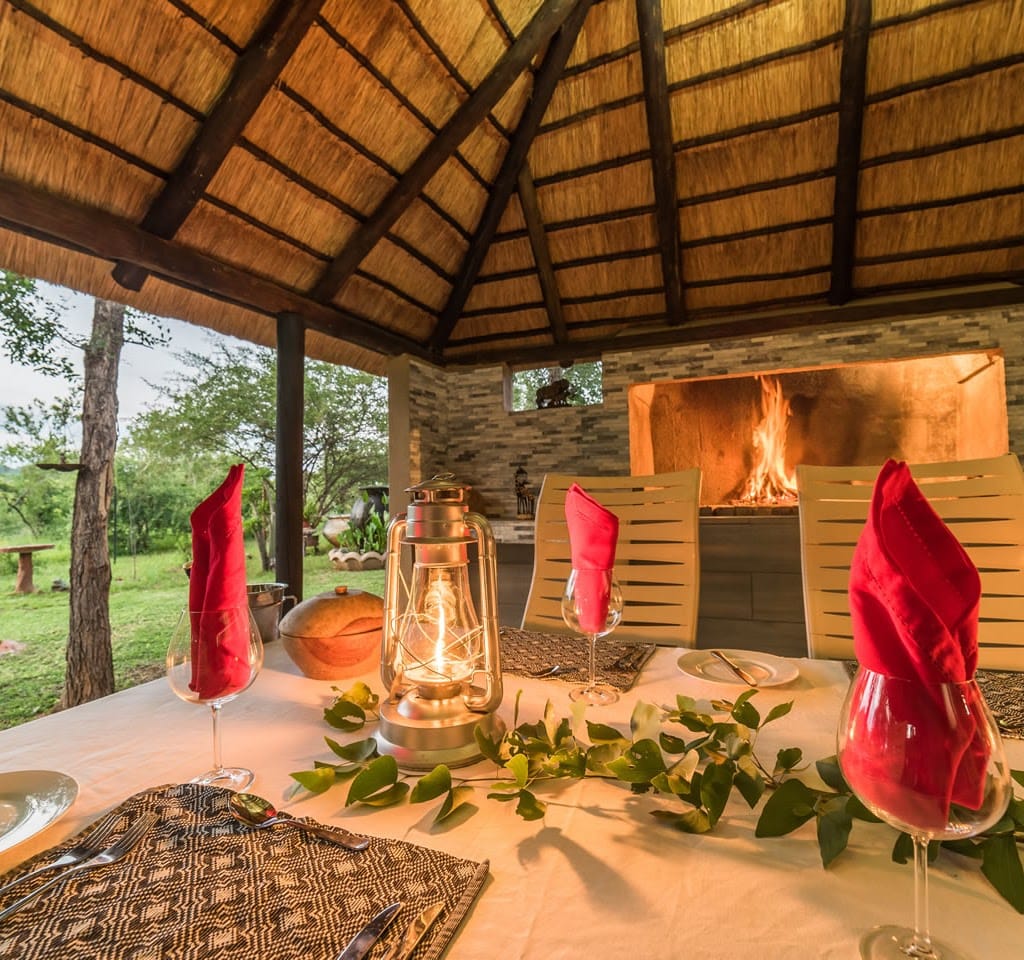
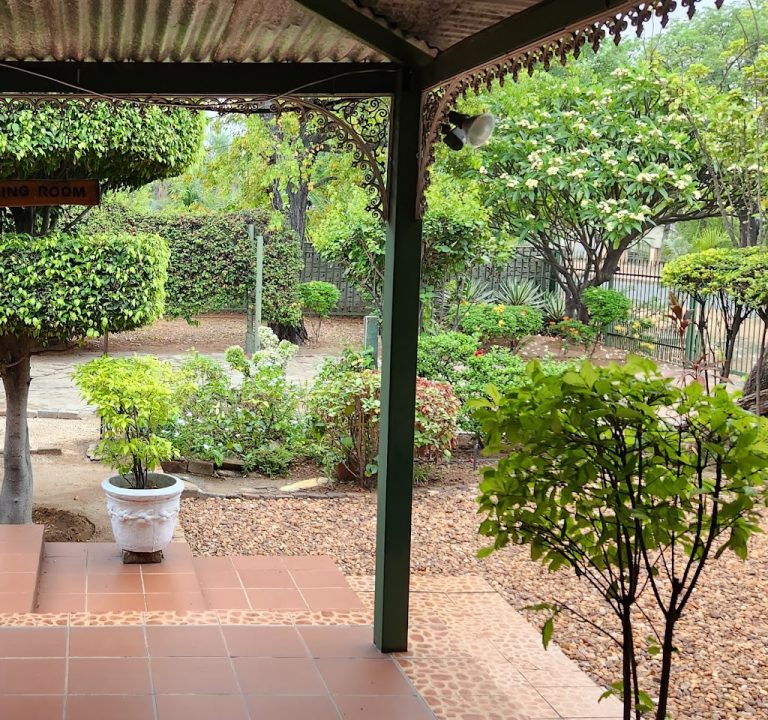
- Outdoor space: many visitors value verandas, pools or braai areas for evenings after safari days.
- Guided experiences: some properties partner with reputable safari operators and guides for regular game drives, bush walks, or birdwatching excursions.
Typical amenities you can expect include comfortable rooms or chalets, daily housekeeping, secure parking, and on-site dining or easy access to nearby eateries. In bush lodge settings, you may find shaded outdoor seating, sun decks, and twilight wildlife viewing opportunities. Some properties offer family‑friendly arrangements, such as interconnected rooms, kid’s activities, and flexible meal plans. If you have particular dietary requirements, a note to the lodge in advance can help ensure suitable meal options are available.
Transport and getting around: Phalaborwa is best explored with a car, giving you the freedom to venture into nearby reserves, viewpoints and towns at your own pace. If you prefer not to drive, check whether your accommodation can arrange guided day trips or transfers to key sights. Driving distances within the region are relatively modest, but roads can vary in quality, so a reliable vehicle is advantageous. For longer excursions, plan a day with an early start to catch wildlife activity and to maximise your time in the park or reserve areas.
The best time to visit Phalaborwa typically aligns with your wildlife interests and weather tolerance. The dry season (roughly May to September) often offers easier game viewing as animals congregate around water sources and foliage is less dense. This period also features cooler mornings and evenings, which can be more pleasant for morning safaris and night drives. The wet season (roughly November to March) brings lush landscapes and migratory birdlife, though itineraries may need to accommodate afternoon showers. If you are visiting for a warm-weather safari, pack light clothing, sun protection and a light waterproof layer for sudden rain.
Practical tips for travellers include arriving with a plan but remaining flexible. Book a couple of activities in advance during peak seasons, but leave some days open for spontaneous outings or leisurely afternoons by a pool or viewing deck. Respect wildlife and park rules, particularly regarding distance from animals and noise levels during drives. In Phalaborwa, you may combine lodge stays with shorter excursions to nearby reserves, cultural experiences or locally guided walks to gain a richer sense of the region’s people and landscapes.
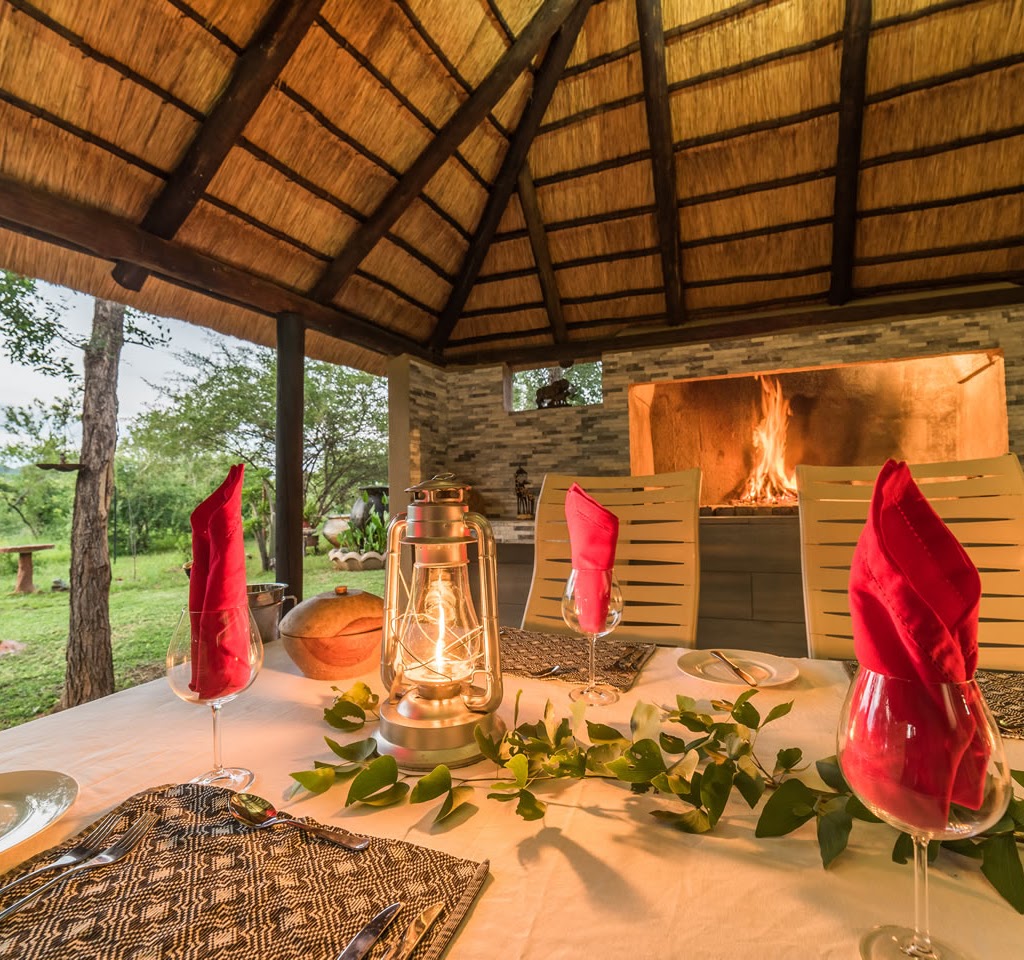
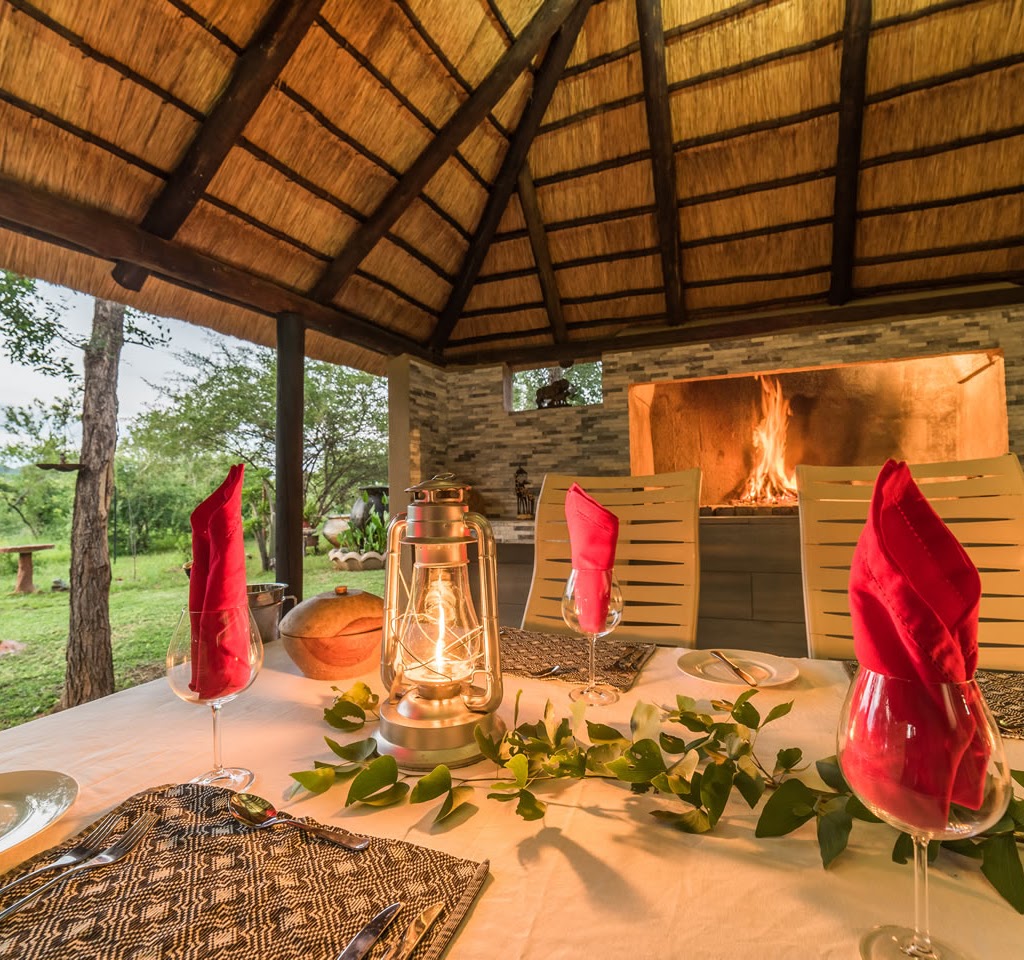
Accommodation highlights you may encounter include lodges perched near water or in shaded savannah settings, with some properties offering sunlit lounges, observation decks, and traditional décor that reflects the surrounding environment. For families, look for spacious rooms or interconnecting units, a safe play area for children, and easy access to family-friendly dining options. Couples and solo travellers can enjoy intimate settings, personalised service and curated experiences that emphasise quiet time in nature as well as easy access to wildlife adventures.
A note on staying in Phalaborwa: if a bush lodge is part of your plan, you may want to consider places that offer the chance to understand local conservation efforts and community initiatives. For example, lodges with dedicated sustainability practices or partnerships with conservation projects can enrich your stay while supporting responsible tourism. One example of a lodge with an established online presence is Mutsami Private Bush Lodge, which presents itself as a lodge option in the region; further information can be explored through their website: Mutsami Private Bush Lodge.
Phalaborwa also offers a range of dining experiences, from relaxed bistros to more refined restaurants that provide a mix of South African flavours and international cuisine. When planning evenings out, ask hosts or guest service staff for recommendations on where to enjoy dependable, value‑driven meals and which venues are suited to atmospheric sunset views, light seasonal menus, or a hearty, family-friendly atmosphere. By balancing comfortable accommodation with carefully chosen activities and dining, you can craft a memorable stay that feels both adventurous and restful in Phalaborwa.