Phalaborwa: Where to stay, what to do and how to plan your visit
Phalaborwa, in Limpopo’s Lowveld, is a convenient base for travellers seeking wildlife encounters, easy access to the Kruger National Park, and a few relaxed days in a friendly South African town. When planning a stay, consider the layout of the area, how far you are willing to travel each day, and the pace you want from your trip. Phalaborwa Town sits near the central part of the region, while lodges and serviced accommodation cluster around the Gate routes to the Kruger, giving easy day trips to wildlife reserves, viewpoints, and nature trails.
Accommodation in Phalaborwa ranges from serviced apartments and guesthouses to boutique lodges and mid-range hotels. A popular option for families and longer stays is a serviced accommodation such as Arimagham Guest House, which offers apartment-style living with the convenience of housekeeping and on-site facilities. When selecting where to stay, think about what will make your schedule smoother: secure parking if you are exploring by car, a reliable Wi-Fi connection for planning day trips, and access to kitchen facilities if you prefer self-catering between excursions. For those quick escapes after a game drive, a comfortable room with air conditioning and a private bathroom is often essential in this subtropical climate.
Areas to consider when booking include:
- Near the Kruger Gate routes: Staying closer to the Kruger National Park entrances can cut down drive times for morning or late-afternoon wildlife excursions.
- Town centre options: A stay in Phalaborwa Town offers easy access to supermarkets, shops, casual eateries and local services, with a shorter hop to petrol stations for early starts.
- Lodge and reserve outskirts: If you prioritise wildlife sounds and a quieter setting, opt for properties perched on reserves or near green spaces, where breakfast clatters from dining areas are complemented by birdsong and distant animal activity.
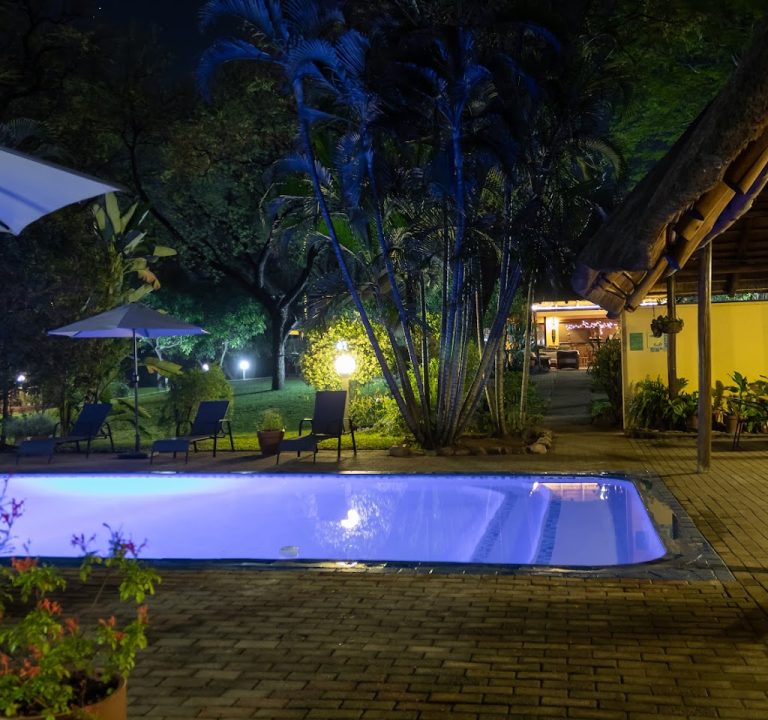
Typical amenities to look for include reliable air conditioning, private en-suite bathrooms, secure parking, on-site dining or easy access to meal options, and staff who can provide practical tips for self-drive safaris. A well-equipped kitchen or kitchenette can be handy for extended stays, while a pool or shaded outdoor area is a welcome feature in hot months. If you are visiting during peak wildlife season or school holidays, a property with flexible check-in times and clear information about transfers or guided excursions can ease the planning process.
Transport in Phalaborwa is predominantly car-based. Renting a vehicle offers the most flexibility to explore Kruger Park, nearby nature reserves, and the wider Limpopo Province at your own pace. If you arrive by air, Phalaborwa Airport serves domestic routes and is a practical starting point for self-drive safaris. Within the town, taxis and shuttle services are common, but many visitors prefer the convenience and freedom of private transport to visit sunrise and sunset wildlife spots and to reach remote viewpoints.
Best time to visit Phalaborwa aligns with wildlife activity and the climate. The dry season (roughly May to September) tends to offer better animal sightings, as animals congregate around water sources. The heat and humidity rise in the summer months (November to February), which can still be a good time to visit if you enjoy lush landscapes and birdlife, but be prepared for hotter days and afternoon showers. Shoulder seasons often blend comfortable temperatures with active wildlife and a lighter crowd, making them appealing for a relaxed itinerary.
Practical tips for planning your stay:
- Book accommodation with clear written policies on arrivals, meals, and on-site safety features.
- Confirm what is included in the rate, such as daily housekeeping, access to a communal kitchen, and whether guided activities are offered on-site or nearby.
- Ask about accessibility to Kruger Park gates, drive times, and recommended self-drive routes to avoid peak traffic.
- Plan forward for meals: some properties provide on-site dining, while others are near friendly local eateries offering traditional dishes and casual dining.
- Pack essentials for outdoor days: sun protection, light layers for variable mornings and evenings, a hat, water bottle, and binoculars if you have them.
Attractions and experiences in the area generally centre on wildlife, nature and local culture. The Kruger National Park is the cornerstone draw, with guided drives and self-drive safaris that showcase the African Big Five and other wildlife. Nearby reserves and viewpoints provide opportunities for panoramic landscapes, birdwatching and short walks suitable for different fitness levels. In town, you will typically find local markets and eateries where you can sample regional fare and crafts, along with a few cafés that serve breakfast and light meals. For those interested in cultural experiences, look for community-based tours or visits that offer insights into local livelihoods, traditions and the natural environment.
Booking ahead is advisable during peak seasons, especially for serviced accommodations that operate with limited units. If you are staying with a property such as Arimagham Guest House or similar serviced accommodations, check what transfers or organised activities they can arrange and whether they offer flexible terms in case your plans shift. Planners who enjoy late-start mornings or sunset safaris may want to align their itinerary with the park’s opening hours and the lodge’s dining schedules to maximise wildlife viewing opportunities and comfortable meal times.
When you return from a day of exploration, you’ll appreciate a comfortable, well-equipped base in Phalaborwa that balances convenience with immersion in the region’s wildlife, landscapes and hospitality. With careful choice of location, practical facilities, and a flexible plan, Phalaborwa makes for a relaxed yet rewarding stay in Limpopo’s heartland.