Staying in Johannesburg: How to plan a comfortable, well-situated visit and enjoy the city
Johannesburg, or Jo’burg/JHB as locals often say, is a sprawling city of contrasts where modern conference centres sit alongside leafy neighbourhoods, art districts, and a dynamic culinary scene. When planning a stay, consider the rhythm of the city’s days and the accessibility of experiences you want to enjoy. A well-chosen base can cut travel time and open up easy routes to a mix of cultural attractions, markets, and convenient dining options. Johannesburg’s accommodation ranges from stylish boutique guest houses to practical mid-range hotels and purpose-built apartments, with options clustered around business hubs, cultural precincts, and residential suburbs that feel safely walkable in daylight.
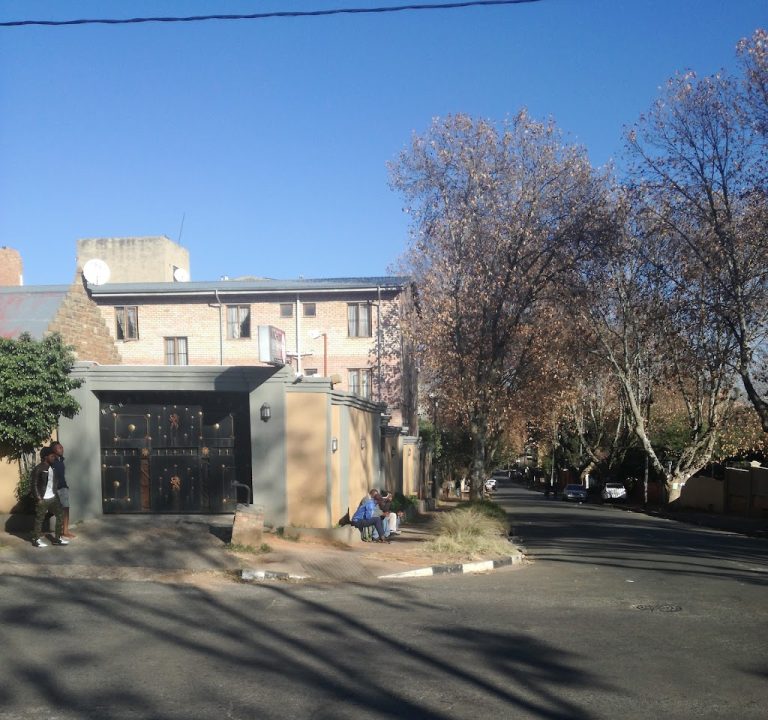
Areas to consider for your stay include the central business district and neighbouring neighbourhoods such as Braamfontein, Maboneng, and Newtown for a lively urban atmosphere with easy access to cafés, galleries, and nightlife. If you prefer a calmer, residential feel with parkland and greener streets, the northern suburbs and central-arc districts offer quieter street life while still being well connected to main routes. For families or longer stays, consider serviced apartments or guest houses in secure estates or suburban pockets that are close to major highways and Gauteng’s parks and attractions.
When booking, look for several practical features. A reliable reception or 24-hour access is particularly valuable in a city where travel plans can change. Clarify parking arrangements if you’ll be renting a car, along with the proximity to public transport options such as bus routes or the Gautrain link to Pretoria and the airport. Safety and security are frequently cited considerations; seek properties with secure access, well-lit surroundings, and staff recommendations on safe routes for walking at night. Check whether your host offers airport transfers, a continental breakfast, or access to a shared kitchen, which can help with budgeting and flexibility.
Typical amenities to expect include comfortable beds with quality linens, adequate storage space, reliable hot water, and good heating or air conditioning for the South African climate. Wi‑Fi is essential for most travellers, and you may find rooms equipped with work desks if you need to catch up on business. Some guest houses and boutique hotels also provide on-site cafés or bars, providing convenient options for meals without venturing far after a day of sightseeing. If you’re visiting during the city’s warmer months, a shaded outdoor area or pool can be a welcome perk, while in winter a cosy lounge area with a fireplace offers a pleasant retreat after a day out.
Transit in Johannesburg is straightforward but requires a little planning. Driving is common, and many properties offer parking; if you’ll rely on taxis or rideshare apps, choose a central base near main streets to minimise travel time. Public transport improvements in recent years have enhanced certain corridors, but the network can be inconsistent in places. It’s sensible to discuss your planned day trips with your host or front desk staff who can suggest efficient routes and safe pick-up points. If you’re planning to visit beyond the city centre, small group tours or day trips arranged through your accommodation can be convenient and cost‑effective, especially those that emphasise neighbourhood markets, local eateries, and cultural performances in safe, well-reviewed venues.
The best time to visit Johannesburg for most travellers is in the South African spring (September to November) or autumn (March to May), when temperatures are comfortable and conditions are generally dry. Summer brings warmer days and occasional showers, which can be perfect for exploring outdoor markets and parks, while winter is typically cooler and drier, with clear days ideal for city walks. If you’re aiming to combine a city break with nearby nature or wildlife experiences, plan a few longer day trips to the regions around Johannesburg and Gauteng to balance urban discovery with restorative nature time.
Practical tips to help you make the most of your stay:
- Book with hosts or establishments that provide clear neighbourhood guidance and trusted local recommendations.
- Pack adapters for South Africa’s plug types and bring a compact umbrella for sudden showers in the warmer months.
- Keep valuables secure and carry a small, light daypack for daytime outings; use hotel safes where available.
- Sample a mix of dining options—from casual eateries to markets and fine‑dining venues—without overplanning every meal.
- Spend a day exploring a prominent cultural district to gain a deeper sense of the city’s artistic energy and heritage.
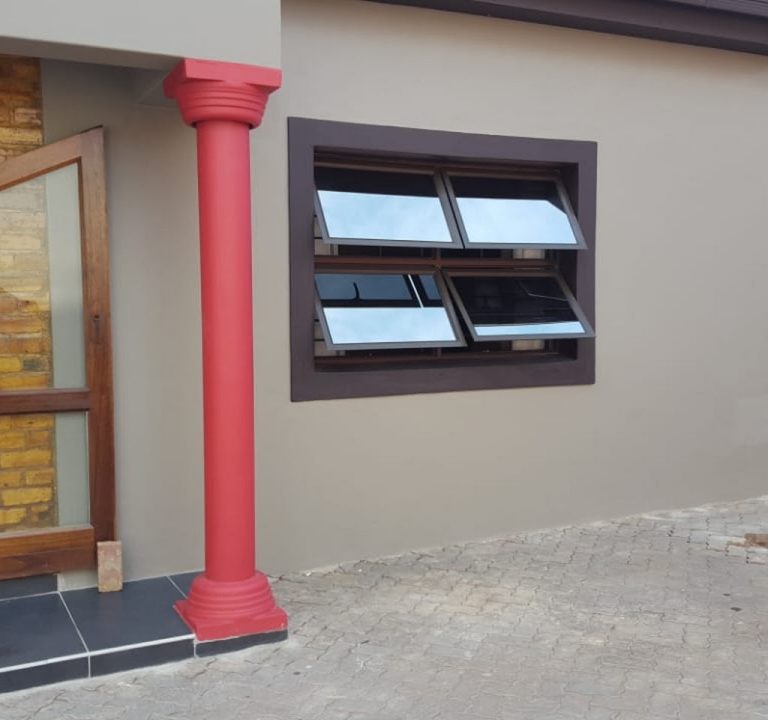
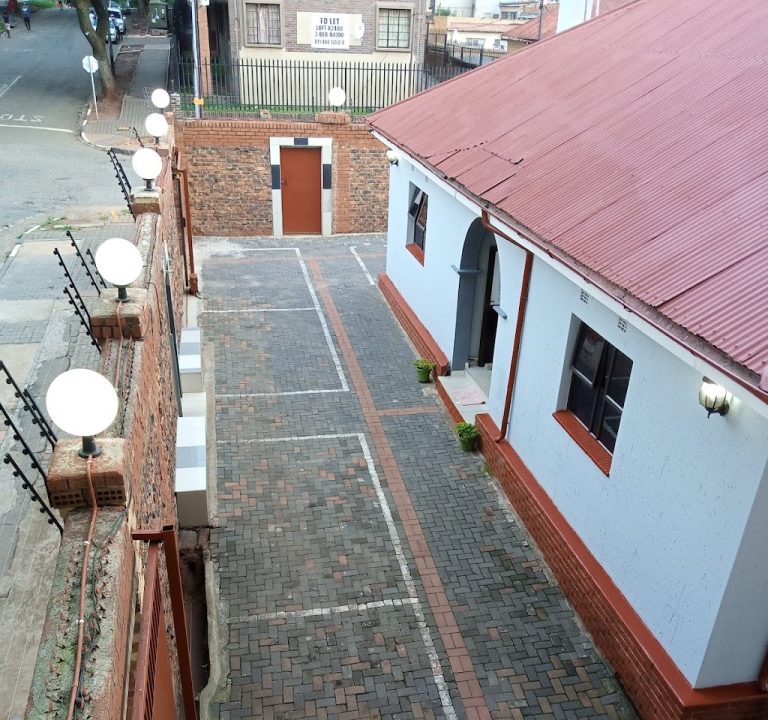
For ideas and planning inspiration, you can explore official tourism resources such as Gauteng Tourism Authority’s information hub, which offers insights into regions, events, and practical travel tips. If you are considering stays in guest houses, you may come across properties such as Musanganano Guest House & Pub, which exemplify the city’s welcoming, intimate hospitality style. Always read recent guest reviews and confirm any essential services before booking. With a thoughtful choice of base, Johannesburg rewards curious travellers with easy access to a vibrant mix of experiences, from markets and galleries to parks and modern dining.