Accommodation and Experiences in Musina, Limpopo: Planning Your Stay
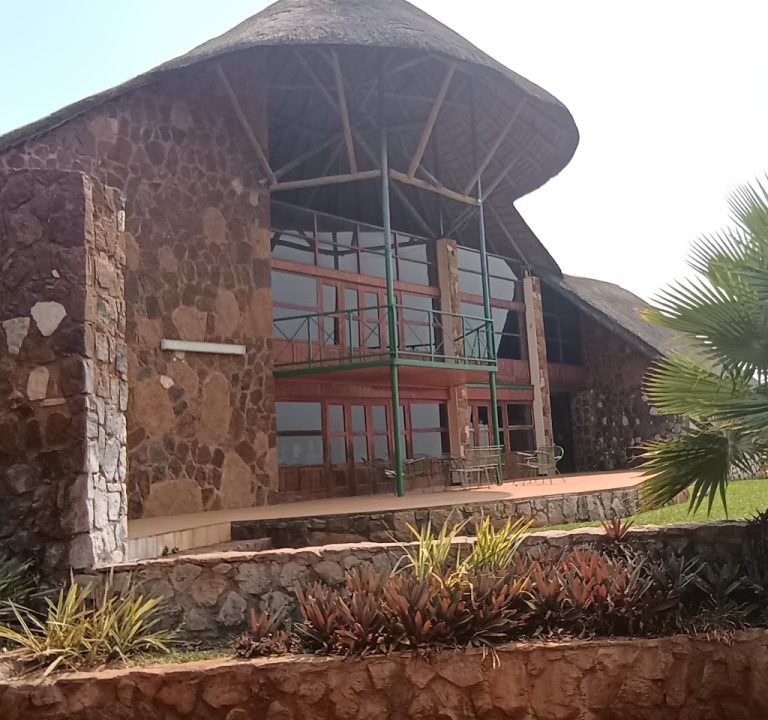
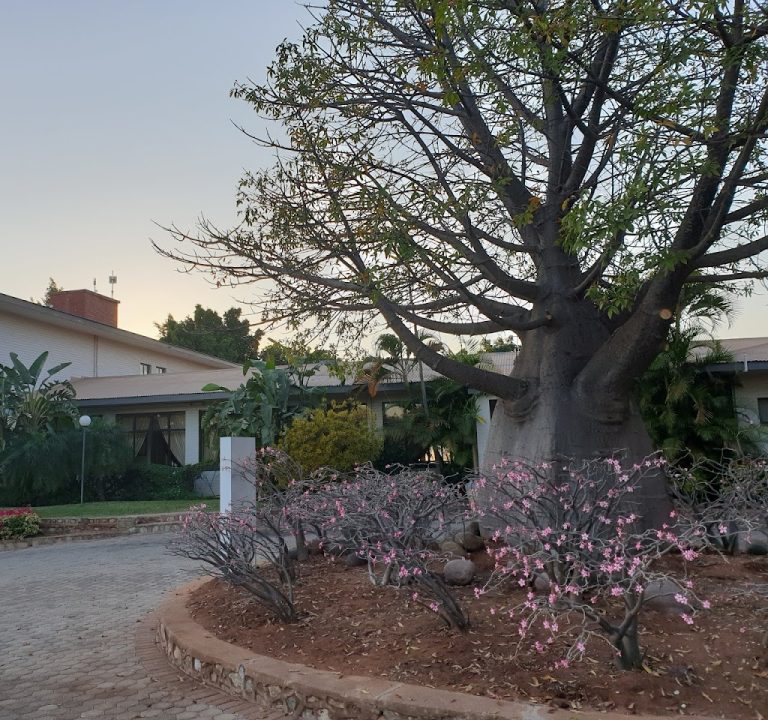
Musina, in the far north of Limpopo, offers a gateway to acclaimed wildlife and cultural experiences while presenting a wide range of places to rest your head after a day of exploration. From cosy Bed & Breakfasts to lodge-style retreats and self-contained guesthouses, visitors can choose rooms that feel as welcoming as a home away from home. A stay in Musina can be tailored to quiet, nature-led downtime or to serve as a practical base for touring nearby parks and towns. For a notable example of local hospitality, consider places such as Munati B&B, which provides a comfortable stopover with a focus on guest comfort. See the venue’s gallery and details at its website for an idea of the space and atmosphere.
When planning a stay, the choice of area within Musina matters. The town itself is convenient for accessing shops, services, and local eateries, while surrounding rural and game-viewing areas offer easy access to wildlife reserves and nature trails. If you are focused on game viewing or day trips to parks, look for lodges or B&Bs that advertise proximity to reserve gates, well-kept drives, or guidance on safe, scenic routes. Some guesthouses emphasise shaded courtyards, gardens, or verandas, which can be a real treat in the heat of the Limpopo sun. If you prefer a more remote feel, consider properties slightly outside the bustling town centre that offer larger plots, quiet surroundings, and immediate access to unsealed roads leading to nature areas.
What to look for when booking in Musina:
- Clear room descriptions and photos showing the layout, beds, and en-suite facilities.
- Air conditioning or fans for hot summers, and extra blankets for cool winter nights.
- Reliable on-site security or well-lit public spaces, given rural locations.
- Accessible parking and easy driving routes to nearby attractions or parks.
- Communal spaces such as lounges or verandahs, and options for wholesome meals.
- Information about guided tours, transport arrangements, or shuttle services.
Typical amenities to expect include comfortable beds with clean linen, private bathrooms, and Wi-Fi access where available. Many Musina properties also offer breakfast, with dishes that showcase local flavours and seasonal produce. If you have specific dietary needs, it is wise to confirm meal options in advance. Laundry facilities and secure storage for equipment (such as outdoor gear or hunting or wildlife-watching gear) can be a useful addition for longer stays.
Transport and getting about are important considerations. Musina is a car-reliant area, so many travellers opt to hire a vehicle for flexibility, especially when planning day trips to parks or remote viewpoints. If you’re staying near essential facilities, you may find a shorter drive is feasible, but plan for rural drives on less-developed roads, particularly after rain. For international travellers, note that the region sits near the border with Zimbabwe; check current border crossing requirements and allow time for any formalities if you plan cross-border excursions as part of a wider itinerary.
Best time to visit Musina depends on your priorities. The dry season, typically from May to August, is popular for wildlife viewing and more comfortable daytime temperatures. The wet season brings lush landscapes and dramatic afternoon thunderstorms, with fewer crowds in some nature areas but occasional travel delays due to rain. If you are focusing on birdwatching or plant life, consult seasonal guides or lodge hosts for local tips on the best viewing windows. For those seeking a quieter mid-year break, late autumn can offer mild weather with fewer visitors while still providing good access to reserves and scenic drives.
In terms of activities, Musina serves as a practical base for a mix of wildlife encounters, cultural experiences, and scenic exploration. While local dining options can vary, many venues offer a mixture of traditional and contemporary South African dishes. Plan for evenings at friendly eateries or casual grills, and consider a day trip to nearby parks where accredited guides lead safaris or bush walks. Within a short drive, you can encounter landscapes that span grassland, riverine habitats, and open savannah, each offering distinctive wildlife and photo opportunities. Always carry water, sun protection, and a basic first-aid kit when venturing into game-viewing areas, and respect park guidelines and local regulations for a responsible, enjoyable experience.
For accommodation planning, a sample itinerary might begin with a relaxed stay near Musina town for easy access to shops and eateries, followed by a couple of days in a lodge or B&B closer to nature reserves. Depending on your interests, you could structure days around early morning drives, midday siestas, and late-afternoon walks, returning to comfortable lodgings for restful evenings. Booking directly with guesthouses or through reputable portals can yield helpful rates and clear cancellation policies. Always review guest reviews and host communications to gauge personal service quality and reliability.
Practical tip: keep a flexible attitude about distances and road conditions in northern Limpopo, where some routes are scenic but rural. Confirm check-in times and any instructions about gate access or security arrangements. If you plan to combine Musina with other parts of Limpopo or the broader triangle with Johannesburg or Zimbabwe, build in time for border logistics, domestic travel time, and potential seasonal roadworks. A well-planned stay balances comfortable accommodation, time for park visits, and opportunities to savour local landscapes and hospitality.
For more information on accommodation and local experiences, you can explore Munati B&B and its gallery at the official site: http://www.munatilodge.co.za/gallery