Accommodation and experiences in Musina, Limpopo: planning your stay and what to explore
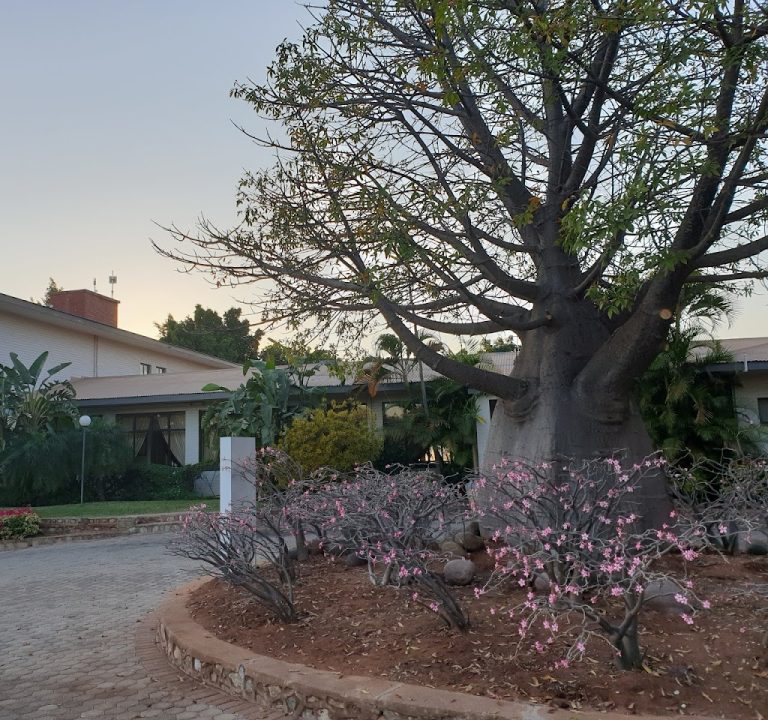
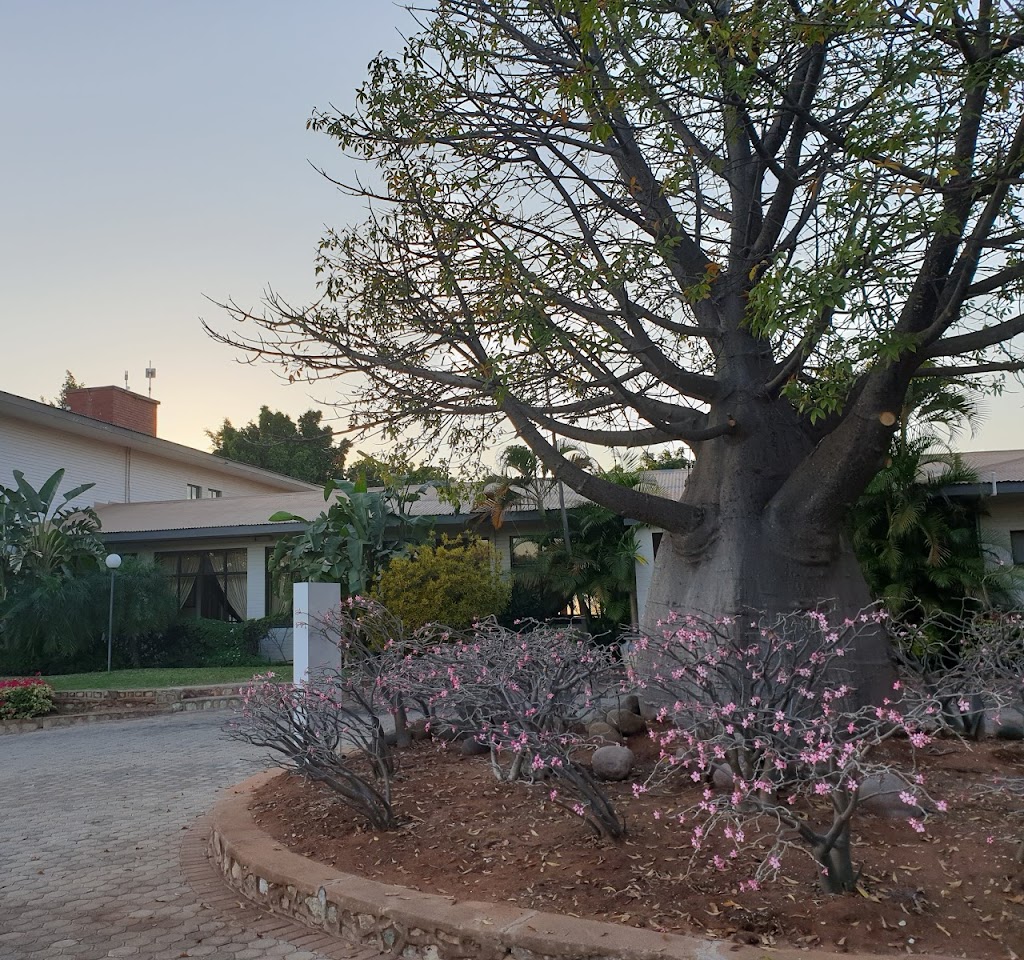
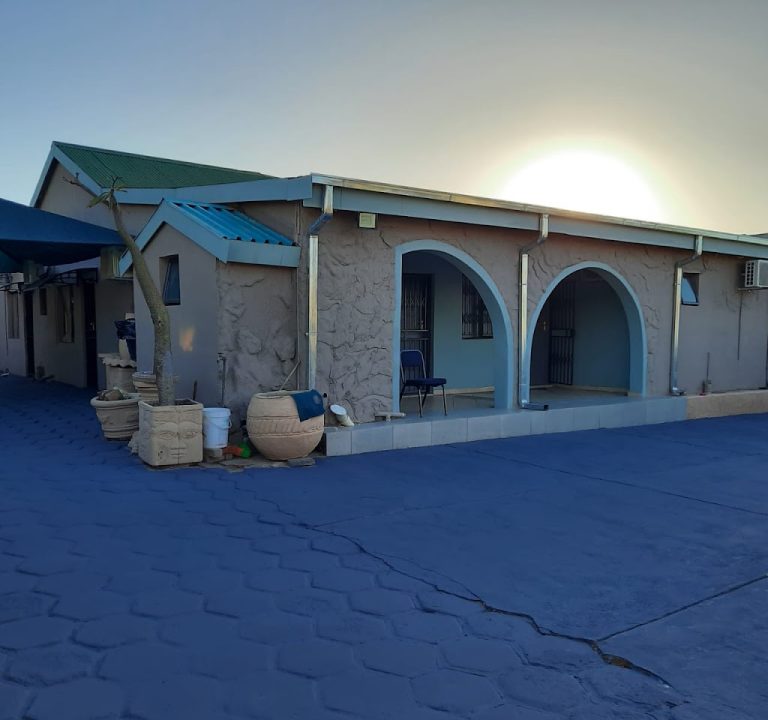
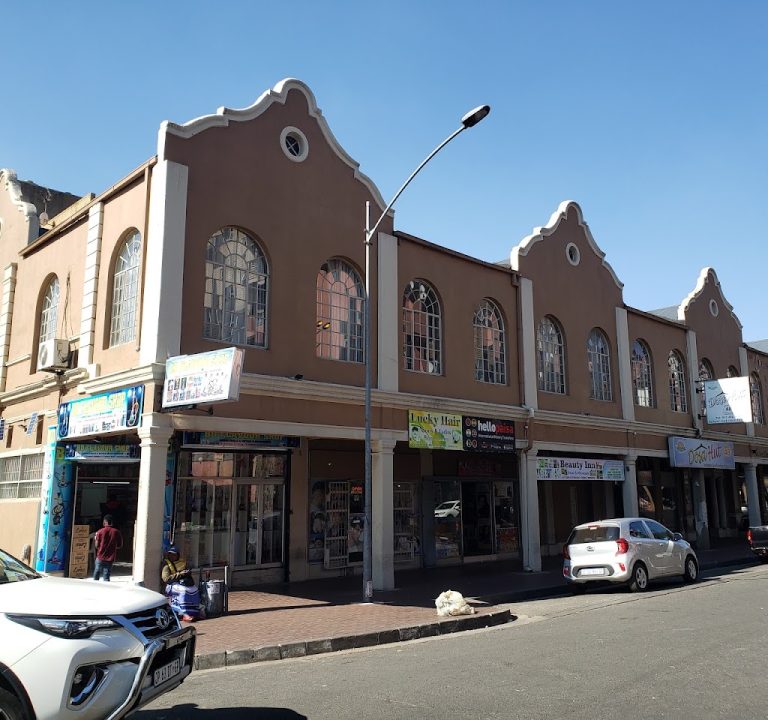
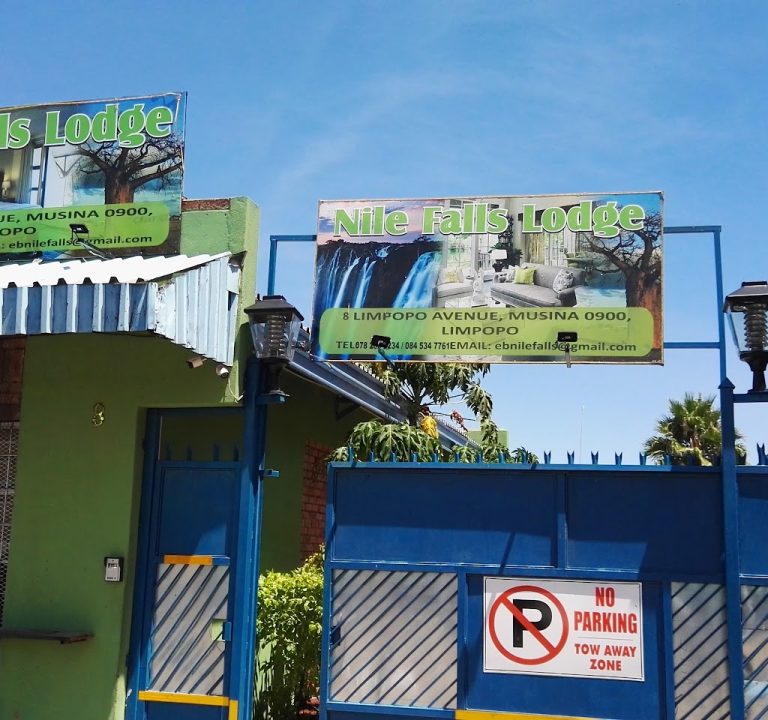
Musina, in the far north of Limpopo, offers a gateway to wildlife, landscapes and the cultural richness of the region. The town itself provides a convenient base, while nearby reserves and natural areas reveal a deeper sense of place. When planning a stay, consider the different areas within and around Musina: the town centre for functional amenities and easy access to transport routes, and the surrounding rural and lodge areas where you can enjoy more secluded surroundings and closer proximity to wildlife and nature experiences. A stay at a guest house such as De Beers Venetia Guesthouse can give you a comfortable base with a personal, local touch, alongside the option to stay in boutique lodges or self-catering units scattered in the rural outskirts.
Booking the right accommodation in Musina hinges on several practical factors. First, assess how you will move around: if you plan day trips to nearby wildlife areas or the border region, a guest house or lodge with parking and a straightforward drive to major routes can save time. Public transport is available in town, but many visitors favour private transport for flexibility, especially when exploring reserves or more distant viewpoints. Second, think about amenities that matter for your comfort: reliable hot water, secure on-site parking, in-room cooling or air conditioning for the hot season, and a generous breakfast option to set you up for long days outdoors. Wi-Fi availability is useful if you need to stay connected, though many rural guesthouses prioritise a tranquil atmosphere over high-speed connectivity. Third, consider meal arrangements: some places offer full board, others provide breakfast with options for packed lunches or nearby dining, which is handy if you are heading into protected areas where meals may be limited to day-time hours.
Typical accommodation styles in and around Musina range from guest houses and country-style lodges to small boutique hotels and self-catering units. Guest houses like the historically rooted or locally managed properties tend to emphasise personalised service, clean rooms, and shared social spaces where guests can swap notes about elephant sightings, birdlife, or the best viewpoints. In rural settings, you may find rooms with straightforward, comfortable furnishings, en-suite bathrooms, fans or air conditioners, and outdoor spaces for al fresco dining or a morning coffee. Look for accommodation that clearly states safety features, such as secure access and well-lit common areas, particularly if you anticipate arriving after dark or returning in the evening from day trips.
Best time to visit Musina aligns with the broader Limpopo climate. The region experiences hot summers and mild to cool winters. The dry season, roughly from May to September, often offers clearer wildlife viewing and pleasant days for outdoor activities, though evenings can be cool, so pack a light jumper. The rainy season, typically from October to March, brings high humidity and afternoon showers, which can be dramatic for photography and offer lush greenery. Always check the local weather forecast before you travel and tailor your activities to the conditions. If you are aiming to visit specific reserves or seasonal wildlife events, plan a few flexible days to account for changing weather and park regulations.
Attractions and experiences in and around Musina revolve around wildlife, nature and cultural discovery. Visitors commonly explore wildlife reserves and conservancies in the broader Limpopo region, where dawn drives, birdwatching, and guided walks offer meaningful encounters with African fauna and landscapes. The surrounding area features vast savannah plains, riverine habitats and interesting viewpoints that reveal the character of northern Limpopo. Cultural encounters, markets and small traditional eateries provide a sense of local life and help you taste the region’s hospitality. For those who enjoy a frame of reference, a gentle day trip to nearby towns or villages can enrich your understanding of the area and its people. When planning activities, verify any park entry requirements, opening hours, and whether guided tours are available through your accommodation or local tour operators.
Dining in Musina ranges from casual eateries to lodge-style restaurants that emphasise hearty, regional flavours. Expect straightforward menus that showcase meat-heavy dishes, seasonal produce, and comforting classics crafted for travellers. If you are staying in a guest house or lodge, many properties will offer on-site meals or can point you to reliable nearby options for breakfast, lunch, or dinner. For a broader experience, explore places that specialise in traditional flavours or farm-to-table ingredients, and consider arranging a food-focused day as part of your stay.
Additional practical tips to help you plan a smooth stay: confirm transport arrangements in advance, especially if you require airport or long-distance transfers; check parking availability and whether there are security features on-site; read recent guest reviews to gauge cleanliness, responsiveness, and consistency of service; and verify cancellation policies in advance, as rural properties can have specific terms. Bring essentials such as sun protection, insect repellent, a compact binoculars kit for wildlife watching, and a versatile layer for cooler evenings. If you are visiting with children or companions who have specific accessibility needs, communicate these clearly with your host prior to arrival to ensure a comfortable setup.
- For inspiration on regional possibilities and to connect with official tourism information, you can explore Limpopo’s visitor resources or Musina-focused guides online.
Whether you choose a guest house, a lodge close to wildlife experiences, or a self-catering retreat in a rural setting, Musina offers a practical yet varied base for discovering the northern reaches of Limpopo. With careful planning, you can balance comfortable accommodation, easy transport, and enriching experiences that showcase the character of this distinctive corner of South Africa. For more information on official travel resources and regional highlights, visit the Limpopo tourism pages and related regional guides.