A practical guide to staying and exploring Musina, Limpopo
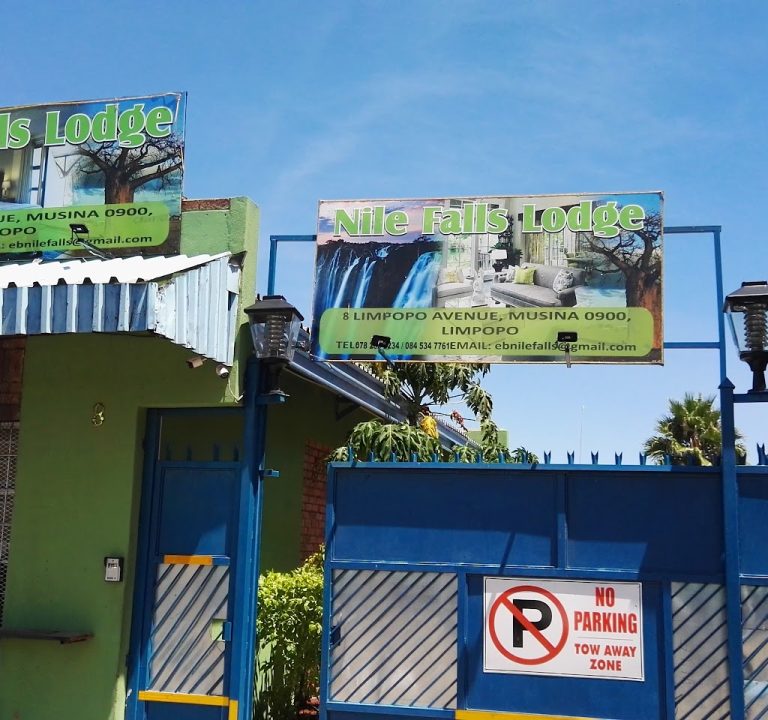
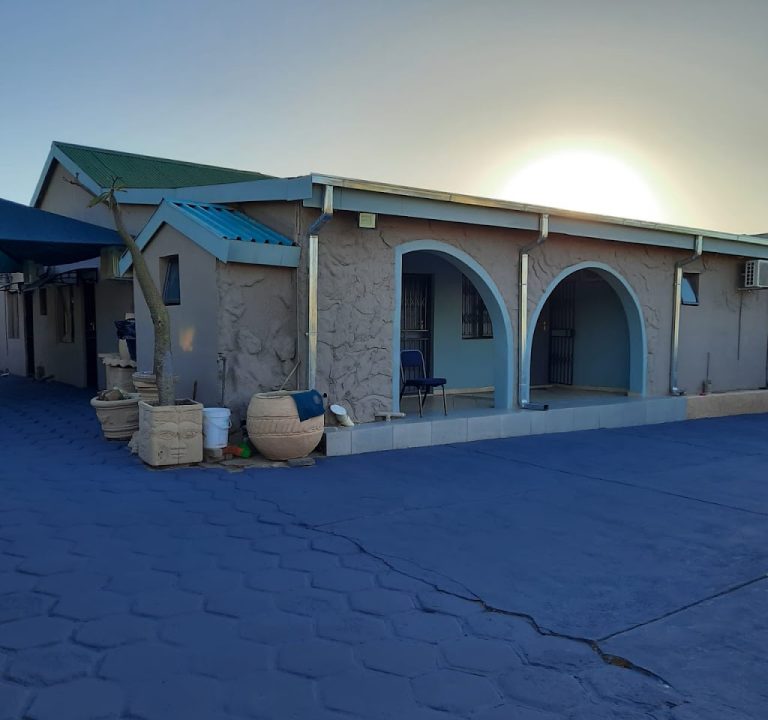
Musina in Limpopo sits near the northern edge of South Africa, where warm hospitality, wildlife-style experiences and convenient access to nature form the core of many visitors’ plans. When choosing accommodation, many travellers look for a balance between comfortable rest after a day of exploring and easy access to the surrounding sights. Guest houses, lodges and smaller hotels in and around Musina offer a varied tapestry of stays, from serene garden courtyards to more substantial properties with generous verandas and shaded braai areas. A notable option in this area is Nile Falls Lodge, a guest house style property that aims to provide a relaxed base for day trips and longer regional stays.
Areas to consider include Musina town itself, which acts as a practical hub for commerce, markets and local eateries, and the quieter outskirts where lodges and guest houses tend to offer more expansive grounds and wildlife-friendly settings. If you are seeking a taste of rural Limpopo while staying within easy reach of the northern border, a mid-range guest house or lodge on the outskirts can deliver both privacy and a sense of space. When planning a stay, think about how you will move around: some properties arrange guided day trips or offer shuttle services to nearby attractions, while those closer to highways can provide straightforward car access for independent exploration.
What to look for when booking is as important as the bed you’ll sleep in. Practical considerations include secure on-site parking, reliable Wi‑Fi for travel updates, and climate-appropriate rooms. In Musina, warm days and cool nights are common, so look for en-suite bathrooms with good ventilation, clean linen, and insect screens if you are staying in more rural environments. If you are visiting during the dry season, rooms with fans or air conditioning can make a noticeable difference. For guests seeking a deeper sense of place, some properties may offer traditional meals or barbecue facilities, while others partner with local guest chefs or lodges for occasional cultural evenings.
Typical amenities across Musina’s accommodation options often include comfortable lounge spaces, shaded outdoor seating, and well-tended gardens that invite a relaxed post‑script to a day of travel. Pools are common in larger lodges and guest houses, providing a refreshing option after excursions in the heat. If you are travelling with family or a group, check for rooms or suites with multiple beds or interconnecting options, and confirm whether public spaces are child-friendly. For longer stays, practical perks such as laundry facilities, secure luggage storage, and flexible check-in arrangements can add real value.
Transport is a practical consideration in this region. If you are driving, look for generous on-site parking and straightforward access to major routes. If you prefer not to drive, check whether your chosen base can arrange transfers or local tours that include fellow travellers to reduce the need for navigation in unfamiliar territory. In terms of distance, keep in mind that some attractions lie beyond town limits and may require a short drive; choosing a base with a reasonable travel time to the places you most want to visit helps maximise every day of your itinerary.
The best time to visit Musina depends on what you want from your trip. The Limpopo climate is characterised by warm to hot conditions most of the year, with a rainy season typically in the southern African summer. If you favour wildlife viewing and outdoor activities in comfortable temperatures, the cooler months can be pleasant for daytime excursions. For those who prefer lush, green landscapes and the chance of afternoon showers, the summer period can be vibrant and energising, particularly if you are prepared for possible humidity and brief rain. Check local calendars for wildlife-related opportunities, seasonal events, and heritage-focused experiences in nearby towns.
Practical tips to help you plan a smooth stay: book ahead during peak periods to secure a room that matches your preferences, particularly if you have specific needs or a tight travel schedule. Bring sturdy footwear for outdoor strolls or light hikes, and keep a small daypack ready for morning excursions. If you plan to visit cultural or heritage sites, consider guided options that enhance interpretation and provide context about the region’s history and landscapes. For meals, many guest houses and lodges offer breakfast inclusions or on-site dining with a focus on regional ingredients; alternatively, ask for recommendations for nearby eateries that showcase Limpopo’s diverse culinary offerings.
In terms of attractions and experiences, Musina serves as a gateway to remarkable natural and cultural landscapes. While we avoid listing precise names or prices, visitors can generally expect opportunities for scenic drives, nature walks, and wildlife-spotting excursions in nearby protected areas, alongside museums and cultural centres that illuminate the region’s heritage. Local restaurants and cafes typically provide a mix of simple, hearty meals and lighter options, ideal for travellers who want to refuel before a day of sightseeing. For more inspiration and up-to-date itineraries, visiting regional tourism websites can help you plan a well-rounded stay.
- Areas to consider for your stay: central Musina for convenience; outskirts for space and wildlife-friendly settings; proximity to major routes for easier day trips.
- Booking tips: compare room types, confirm parking and transfers, check for essential amenities, and read cancellation policies.
- Amenities to expect: en-suite bathrooms, air conditioning or fans, shaded outdoor spaces, and reliable Wi‑Fi.
- Transport planning: assess your drive time to attractions and whether the property offers transfers or guided excursions.
- Best time to visit: consider climate, wildlife activity, and regional events when planning your dates.
For those seeking a comfortable, traveller-friendly base in this corner of Limpopo, Musina offers guest houses and lodges that combine warm hospitality with practical conveniences. With thoughtful planning, your stay can serve as a restorative retreat after days spent exploring the region’s natural beauty and cultural richness. For further ideas and practical planning resources, you can visit Limpopo’s official tourism pages for updated recommendations and seasonal guidance: Discover Limpopo.