Accommodation and experiences in Mkuze, KwaZulu-Natal
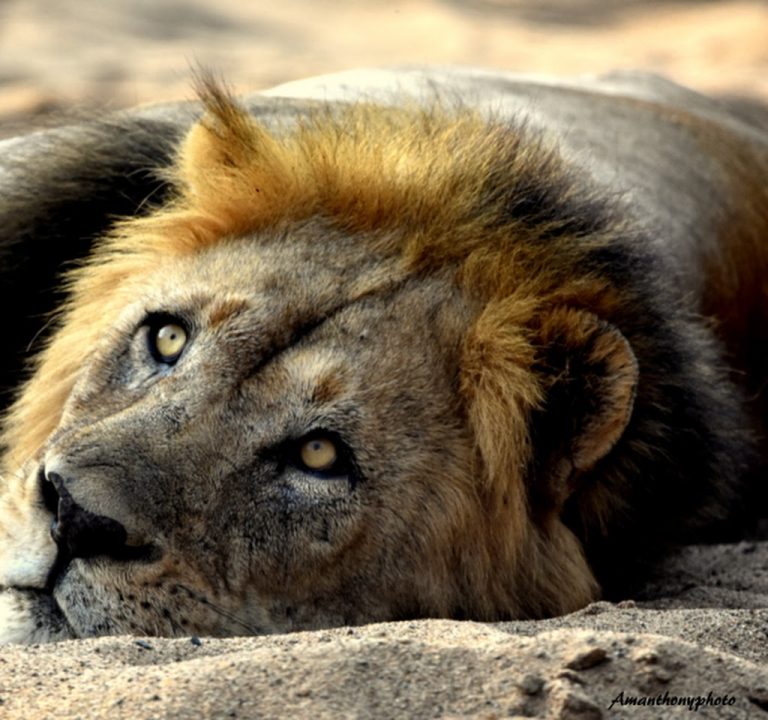
Nestled in KwaZulu-Natal’s northern hinterland, Mkuze offers a relaxed base for wildlife encounters, nature walks, and immersive rural hospitality. Whether you are seeking a lodge beside the Msunduze River, a cosy guesthouse in town, or a comfortable safari-style retreat on the edge of a game reserve, the area delivers a uniquely South African mix of landscapes, birdsong, and warm service. Planning a stay in Mkuze benefits from a clear sense of where to stay, what to expect from facilities, and how to make the most of your time in this biodiverse corner of the province.
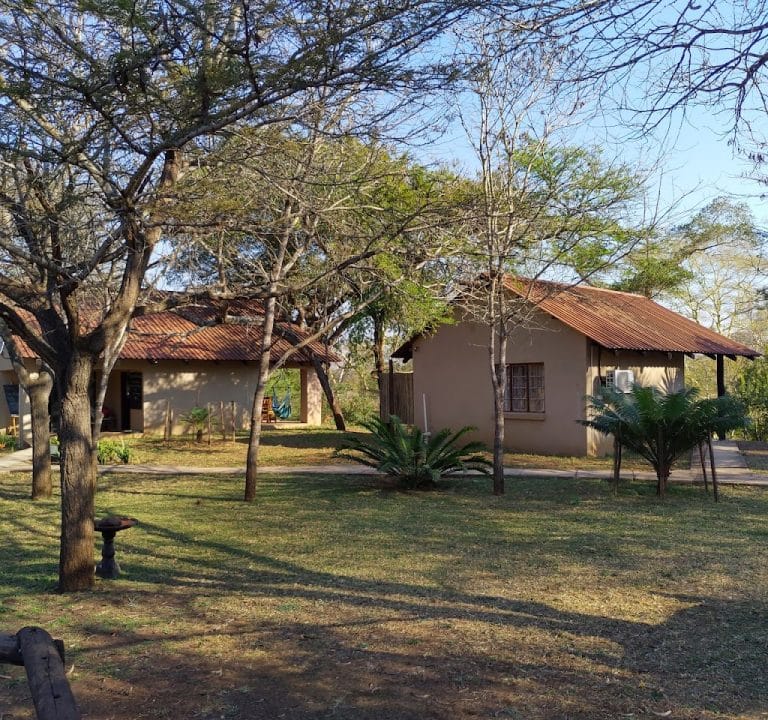
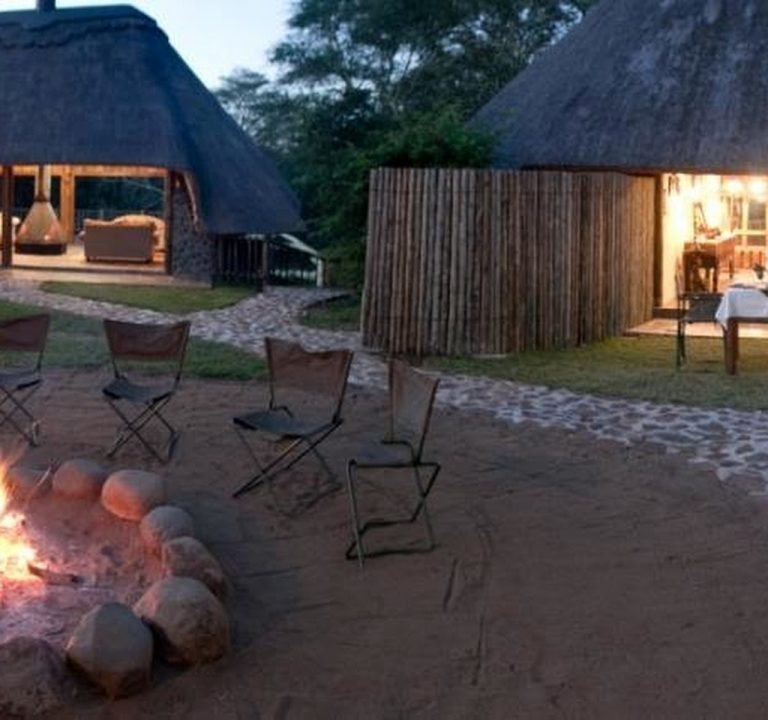
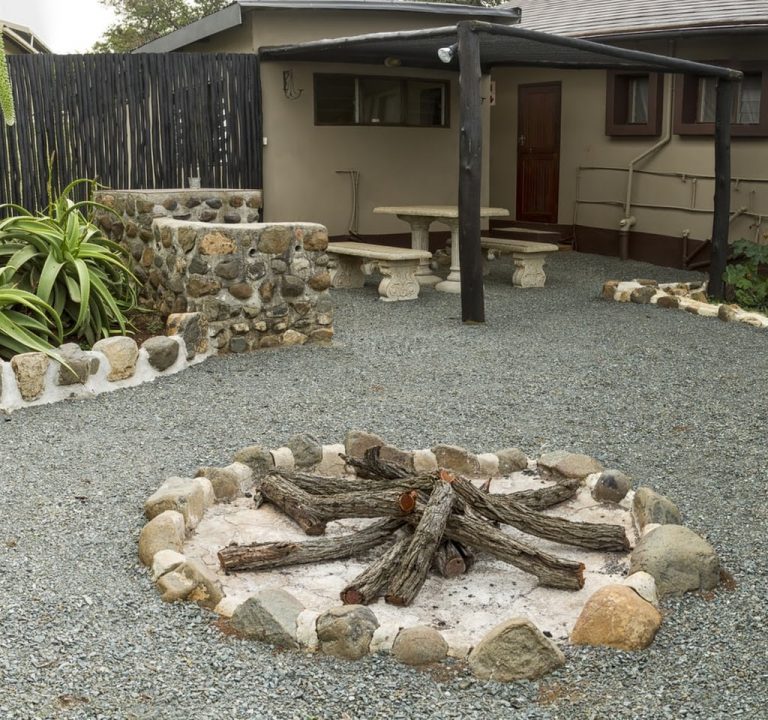
Accommodation in and around Mkuze ranges from lodges set within private reserves to guesthouses and small hotels in the town itself. The Msunduze River Lodge, for example, sits in a setting that emphasises proximity to natural habitats and easy access to game-viewing experiences. When choosing a place to stay, consider factors such as proximity to key activities (game drives, birding hides, walking trails), water and electricity back‑up, and whether meals are included or available on-site. While some lodges offer guided excursions and curated itineraries, others provide a more independent stay with optional day trips. Itineraries can be flexible, allowing you to combine animal sightings with visits to neighbouring reserves or cultural experiences in the region.
Areas to consider for your stay include:
- Near the Mkuze Game Reserve or Msunduze River area for wildlife access from your door.
- In or near Mkuze town for convenience, local dining options, and a more budget-conscious stay.
- Within a short drive of larger parks or conservation areas to maximise game-viewing opportunities without long daily drives.
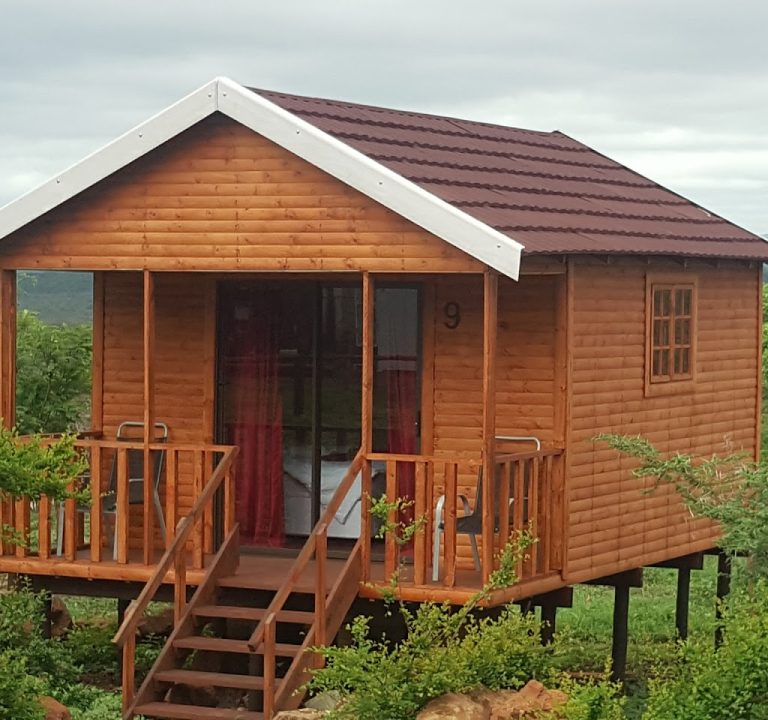
Typical amenities vary by property type but common confirms include en-suite bathrooms, air conditioning or ceiling fans, private or shaded verandas, and reliable hot water. Many lodges offer curio shops, lounge areas, and communal spaces for sharing stories of the day’s sightings. If your plans include self-drive safaris, check whether the lodge provides guided game drives or whether you’ll need to organise these independently. For couples and families alike, look for properties that offer family-friendly rooms or interconnecting options, along with safe on-site parking and well-lit exteriors for evening arrivals.
Transport in the area is typically straightforward with a focus on self-drive access. Most visitors arrive by air into Durban or Richards Bay and continue by road to Mkuze. A rental car provides the greatest flexibility for exploring reserves, overlooks, cultural sites, and day trips. If you prefer not to drive, some lodges arrange transfers or guided excursions from the main towns. Road conditions are generally good along the main routes, but a modest level of off‑road capability can be beneficial if you plan to stray onto rural byways or reserve access roads.
Best time to visit for wildlife viewing depends on your priorities. The dry season, roughly from May to September, often yields more reliable animal sightings as animals congregate around water sources. The weather is typically cooler and pleasant for long game drives during these months. The wet season, from late spring to autumn, brings lush scenery, migratory birds, and lush landscapes, though some parks may be spoor-to-wet and travel can be more subject to rainfall. For birdwatchers, the area’s wetlands and reserves attract a rich variety of species year-round, with peak activity often tied to seasonal migrations and water levels.
When planning your stay, it helps to think about practicalities in advance. Consider how long you want to stay, whether you’ll base yourself in one lodge or move between properties, and how you’ll structure your days around activities. Booking early, especially for peak travel periods, improves options for room types, meals, and guided experiences. If you have mobility considerations, confirm accessibility at your chosen accommodation, as some properties feature elevated decks, boardwalks, or uneven terrain around walkways and trails.
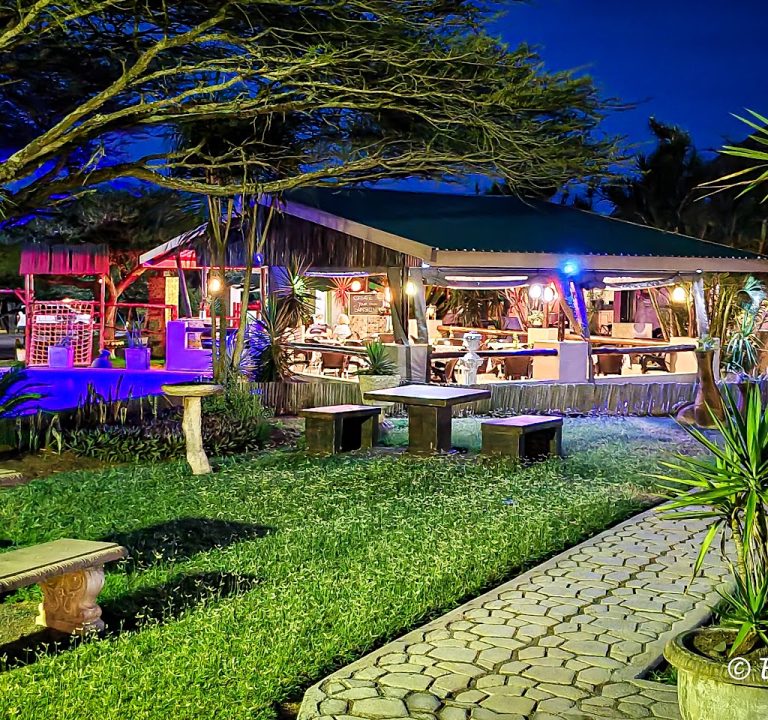
Eating out and dining experiences in Mkuze and nearby towns range from lodge dining rooms to smaller guesthouse eateries and restaurants in town offering local flavours and South African favourites. Many properties provide inclusive meals or offer on-site dining with guest-friendly menus. If you enjoy a broader food scene, plan a day trip to nearby towns or reserve a evening meal at a lodge that hosts a traditional braai or a chef-curated tasting option. While distinct names or awards are not guaranteed, you can expect meals that highlight local ingredients and herbs, with an emphasis on hospitality and a relaxed pace that suits safari and nature-focused itineraries.
Practical tips for a successful stay in Mkuze:
- Pack layers for variable weather—cool mornings and evenings can be breezy even in dry seasons.
- Bring sturdy walking shoes, a hat, sunscreen, and insect repellent for outdoor activities.
- Respect wildlife by keeping a safe distance and following guide instructions when on game drives or walks.
- Check the reserve’s rules on vehicle access, night drives, and photography restrictions.
- Confirm meal plans, pre-booked activities, and transfer options when you book.
For those who wish to explore further, links to local reserve pages or official tourism sites can offer up-to-date information on access, seasonal conditions, and proposed itineraries. Mkuze provides a balanced mix of comfortable lodging, wildlife-rich landscapes, and accessible, traveller-friendly experiences that make it a compelling base for exploring KwaZulu-Natal’s northern hinterland. Whether you are drawn by the promise of wildlife encounters, tranquil riverbank scenery, or a slow‑paced rural getaway, a well-planned stay in Mkuze can be memorable for nature lovers and families alike.