Accommodation and Things to Do in Mkuze, KwaZulu-Natal: Where to Stay and How to Plan Your Visit
Mkuze sits in the heart of KwaZulu-Natal’s Zululand region, a gateway to pristine wetlands, savannah, and prolific birdlife. It is a good choice for travellers seeking a relaxed stay close to nature, with options ranging from comfortable lodges to friendly guesthouses and self‑catering retreats. When planning a visit, consider both your accommodation style and the surrounding areas to maximise wildlife encounters, scenery and easy access to amenities.
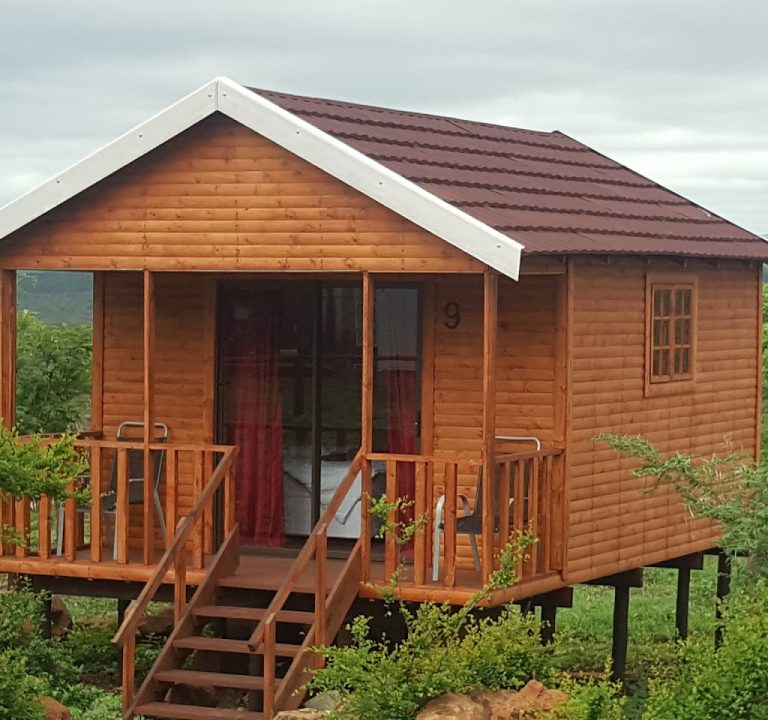
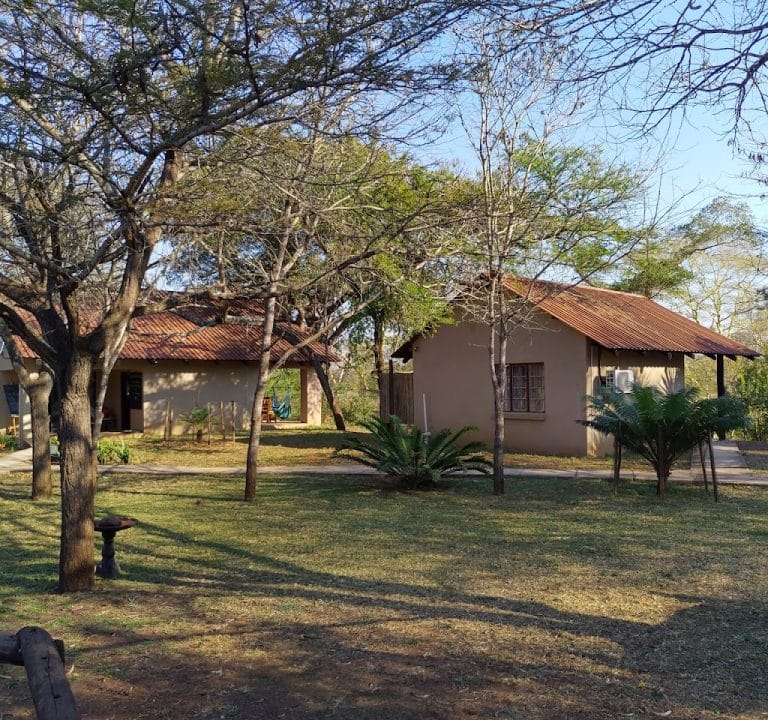
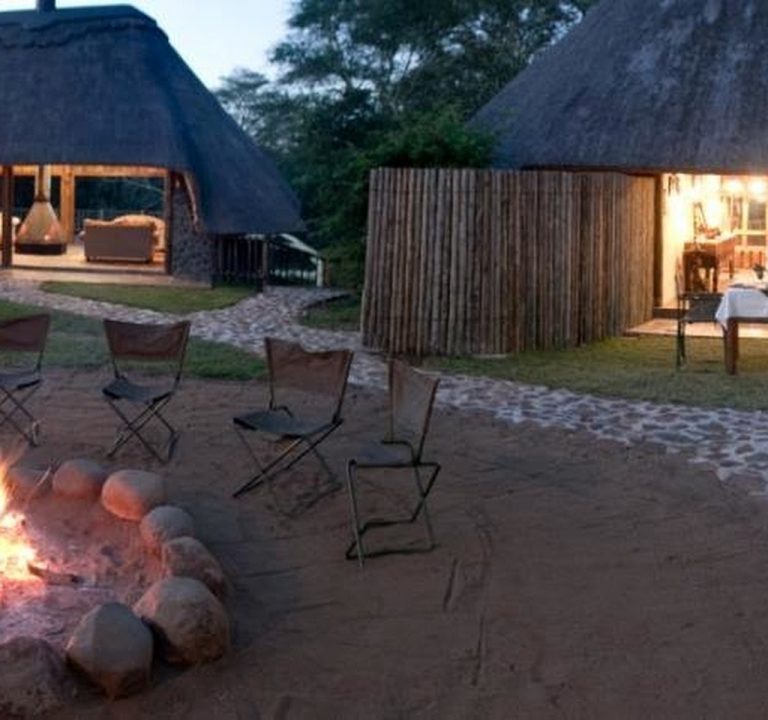
Accommodation options in and around Mkuze cover a spectrum from intimate lodges to larger eco-resorts. Lodges often provide a colourfully Africa‑themed setting, with opportunities for guided game drives, bush walks, and meals served in a dining area that emphasises local flavours. Guesthouses and B&Bs offer a more personal, home-from-home feel, typically including breakfast and helpful, local information. Self-catering cottages or cottages within a lodge complex can give you flexibility for longer stays or family groups. If you prefer a stay that supports conservation, look for properties that participate in local community initiatives or wildlife projects.
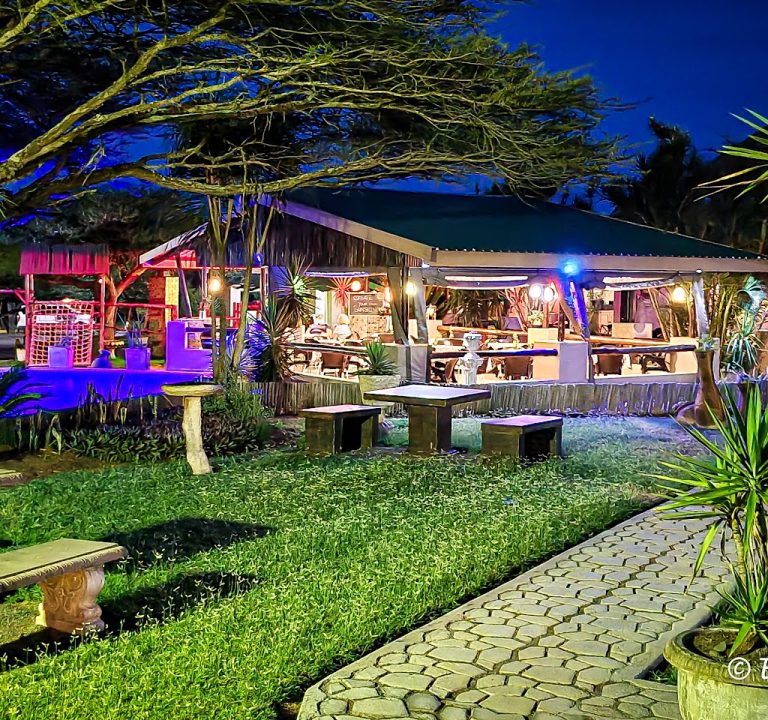
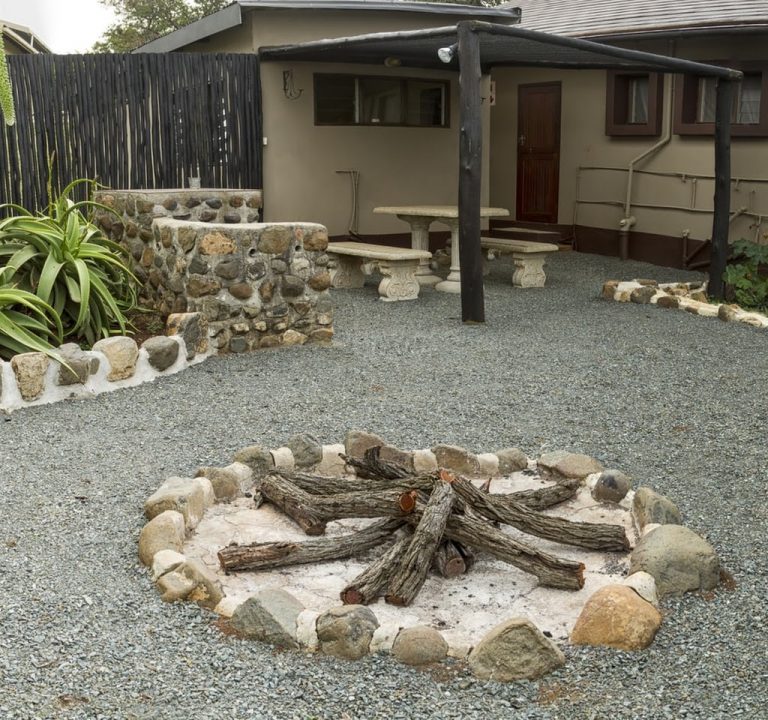
One example of accommodation that sits within this landscape is Igula Lodge, a lodge-style option that can offer a comfortable base for exploring the region. It typically features aspects such as on-site dining, outdoor spaces for observing wildlife, and the convenience of arranging activities through the property’s team. Always check current offerings on the lodge’s official website for the most up-to-date facilities and rates.
When choosing where to stay, consider these areas and access points:
- Near the Mkuze Game Reserve and Mkuze Falls, for straightforward wildlife-focused day trips.
- In nearby townships or countryside clusters that offer a quieter pace and potential for cultural interactions.
- Close to the Pongola River or the surrounding wetlands, which can be advantageous for birdwatchers and nature enthusiasts.
What to look for when booking
- Guided experiences: Early-morning or late-afternoon safaris, bush walks with licensed guides, and birding tours often denoted as included or add-on activities.
- Meal arrangements: Some properties offer full-board or all-inclusive packages, while others provide breakfast with the option to dine locally for other meals.
- Room features: En-suite bathrooms, air conditioning or fans, insect screens, reliable hot water, and shaded outdoor seating can make a significant difference in comfort.
- Accessibility and transport: Check parking availability, transfer options, and whether you need a 4x4 to reach remote areas or gate access times.
- Ethical practices: Seek properties that respect wildlife, follow sustainable practices, and support community initiatives or conservation projects.
Typical amenities you may encounter include private terraces or verandas, swimming pools or cooling courtyards, and spaces for en‑suite relaxation after a day of exploring. Many lodges and guesthouses provide on-site dining featuring regional ingredients, plus curated experiences such as guided safaris, birdwatching decks, or photographic hideaways. If you’re travelling with family, look for properties with child-safe spaces or activity ideas suitable for different ages.
Transport and getting around
Mkuze is best explored with a car, giving you the freedom to move between wildlife reserves, viewpoints and local eateries at your own pace. Some accommodation providers can arrange private transfers or guided drives, while others expect guests to self-drive. Consider the distance to major access routes and gates, and plan for extra travel time during the day when wildlife sightings can slow the drive. If you plan on visiting multiple reserves, a day-by-day plan with gate opening times can help you optimise your itinerary.
The best time to visit
The KwaZulu-Natal climate offers a favourable window for wildlife viewing from late autumn to spring. The dry season, typically associated with clearer skies and more visible animals, runs through the cooler months and can be ideal for safaris and birding. The wet season brings lush scenery and a different variety of wildlife activity, including migratory birds and freshwater sightings. Consider what you want from your trip—whether it’s more intense game viewing or broader nature experiences—and tailor your timing accordingly. If you are concerned about malaria, research the current recommendations for the area and discuss with your chosen accommodation, as some locations may have preventive measures or advisories.
Activities and experiences to plan for
Beyond wildlife drives, Mkuze and its surrounds offer nature trails, hide observations, and birdwatching opportunities. Many guests enjoy watching sunrises over wetlands, boat trips on nearby waterways where feasible, and photographic safaris with experienced guides. For those with an interest in culture and local life, look for community visits or informal markets where you can observe traditional crafts and sampling opportunities in a respectful, supported setting. Dining experiences often feature regional ingredients, allowing you to sample KwaZulu‑Natal flavours in a relaxed, lodge-style environment.
Practical tips for a smooth stay
- Book well in advance during peak seasons and holidays, especially for guided safaris and table reservations at on-site restaurants.
- Pack neutral clothing suitable for safaris, sun protection, and comfortable walking shoes for bush walks.
- Bring a light jacket for cooler evenings and early morning outings when temperatures drop.
- Check gate opening times and any booking requirements for reserves or excursions.
- Respect wildlife guidelines, stay inside designated vehicle routes, and follow your guide’s instructions for safety.
In sum, a stay in Mkuze offers a balanced mix of comfortable accommodation, natural beauty, and accessible wildlife experiences. Whether you choose a lodge like Igula Lodge or a cosy guesthouse, planning around reserve access, guided activities, and practical travel considerations will help you make the most of KwaZulu‑Natal’s enchanting landscapes.