Staying in Marloth Park: accommodation, attractions and practical tips
Nestled on the edge of the Kruger ecosystem, Marloth Park in Mpumalanga offers a unique blend of self‑drive safari experiences and comfortable, lodge‑style stays set within natural surroundings. The area is renowned for close encounters with wildlife that roam freely in the shores and thickets, making it a popular choice for travellers who want to combine a relaxed lodge atmosphere with easy access to one of Africa’s most famous national parks.
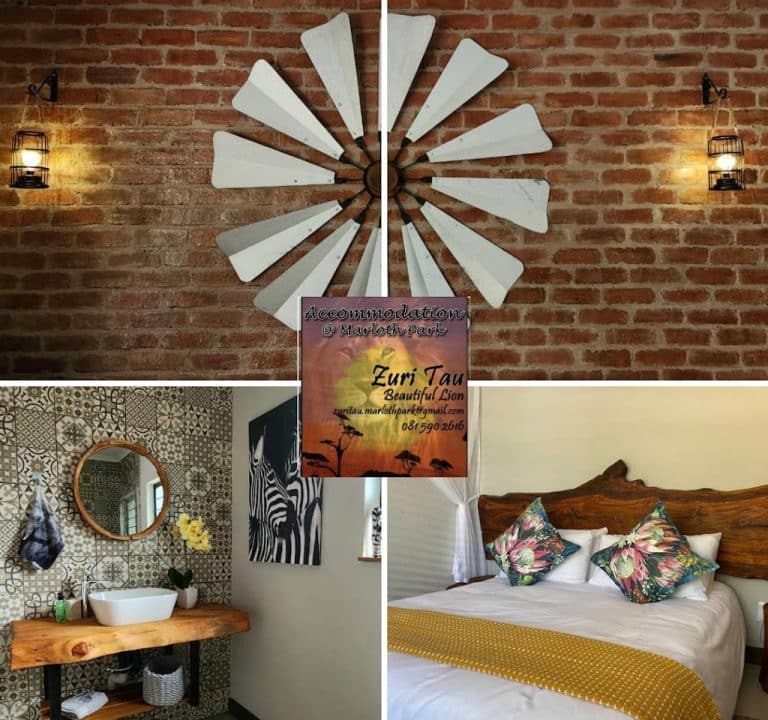
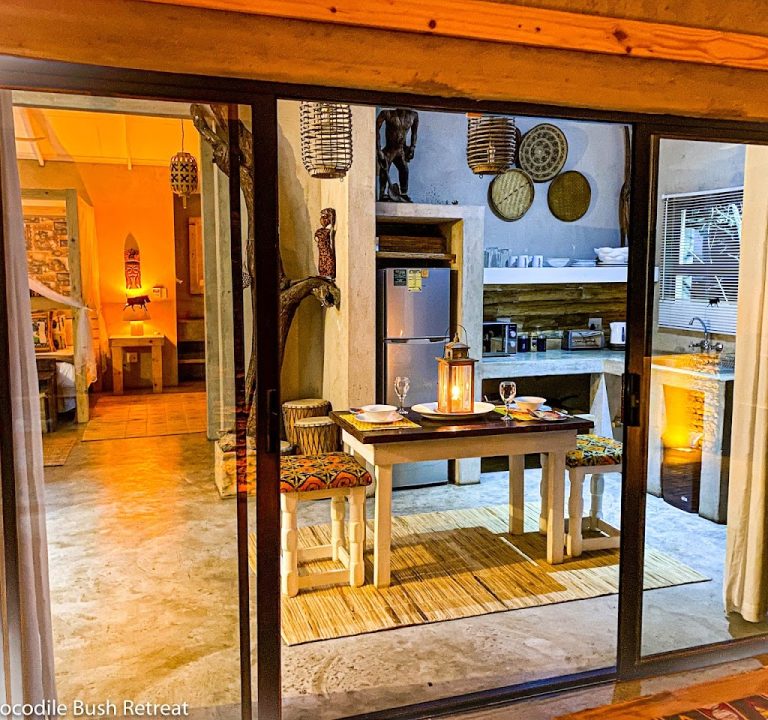
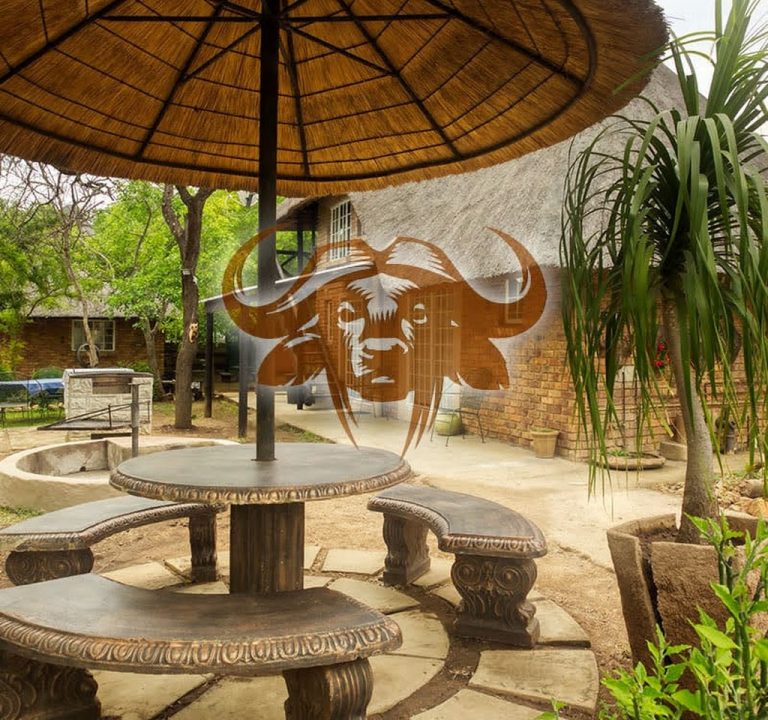
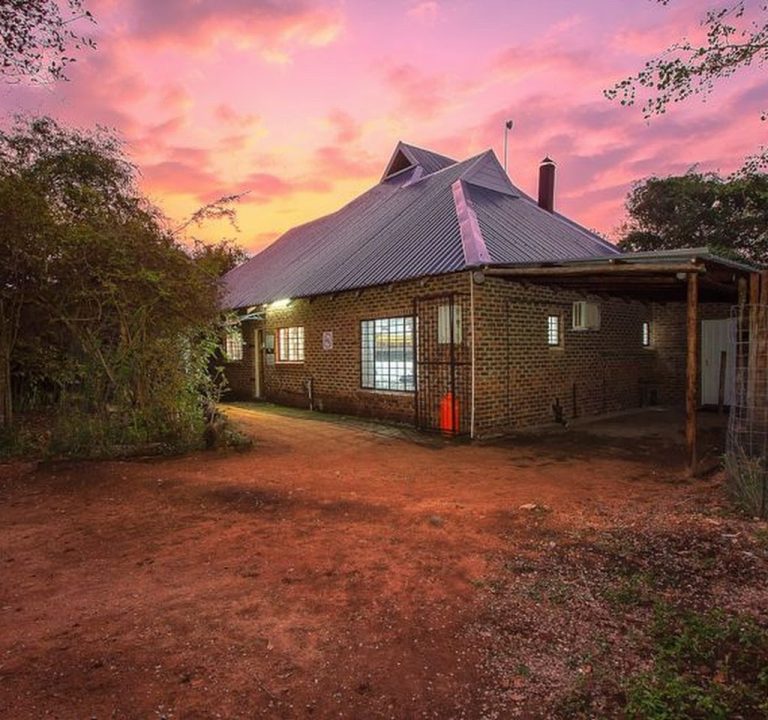
Accommodation in Marloth Park spans a range of styles, from intimate bush lodges and sturdy guesthouses to self‑catering cottages and larger family‑friendly homes. Many properties offer private decks overlooking the river or savannah, outdoor braai areas, and straightforward access to wildlife viewing from the privacy of a balcony or veranda. Facilities are typically geared towards easy, relaxed stays: air‑conditioned bedrooms for warm nights, fully equipped kitchens or kitchenettes, and comfortable living spaces that suit both couples seeking romance and families needing space to unwind after a day on safari.
When choosing where to stay, consider proximity to key wildlife viewing areas and access routes. Marloth Park is split into several zones, with varied gate entrances and private reserves linked to the wider Kruger landscape. If you plan to spend long days on game drives or short strolls along river viewpoints, a lodge or guesthouse on or near the main access routes can reduce driving time and maximise your wildlife watching opportunities. Some guests prefer lodges closer to the Crocodile River for riverbank sightings, while others opt for more secluded pockets that feel deeper in the bush.
Typical amenities you’re likely to encounter include private pools, raised viewing decks, and terraces designed for morning coffee as dawn light spills across the savannah. Many accommodation providers include breakfast or offer a range of meal options, from light lunches to hearty braais (barbecues) that let you dine under the stars. If you’re planning to self‑cater, look for properties with well‑equipped kitchens, outdoor grills, and plenty of storage for shopping from nearby towns such as Malelane or Komatipoort before you enter Marloth Park.
Transport in Marloth Park is straightforward but requires some planning. The area is best explored with a road‑accessible vehicle, preferably a sturdy car or SUV. While guided game drives are not as formal as in larger wildlife reserves, you’ll find many guests taking self‑drive safaris along the wider Kruger corridor, along riverfront tracks, and into nearby viewpoints. Some properties offer private or shared game drives with local rangers, which can be a convenient option if you’d like expert interpretation without the organisational effort. Keep in mind wildlife has right of way and gates into private areas operate on set times, so it’s wise to coordinate entry windows with your host or lodge reception.
The best time to visit Marloth Park is generally during the dry winter months (roughly May to September). Wildlife tends to congregate around dwindling water sources, which can enhance viewing from a vehicle or a front‑row spot on the veranda. Spring and autumn offer pleasant temperatures, while the summer rains bring lush greenery and a burst of birdlife, though afternoon thunderstorms can briefly interrupt outdoor plans. If you’re particularly keen on birdwatching or photography, dawn and dusk are rewarding for sightings and lighting conditions.
Practical planning tips for a smooth stay:
- Book early for peak seasons and consult your host about gate opening times and reserve rules.
- Ask about malaria precautions and take appropriate prophylaxis if recommended for your itinerary and health needs.
- Pack neutral clothing to avoid drawing attention of wildlife and bring sturdy footwear, binoculars, a hat, sunscreen, and insect repellent.
- Check whether your accommodation provides a braai area, firewood, and basic kitchen staples, or if you’ll need to source these in advance.
- Confirm whether a private vehicle is required or if you can access the property with a standard car; some roads in the area can be sandy or uneven after rains.
When it comes to dining and entertainment, Marloth Park is well placed for flexible options. Many travellers enjoy meals prepared at their lodge or nearby guesthouses, while larger towns nearby offer casual eateries and grocery stores. For a broader culinary experience, you can plan a day trip to local towns in Mpumalanga, where you’ll find a mix of cosy cafés, family‑run bistros, and traditional South African eateries. If you’d like to venture beyond the village, consider arranging a guided walk or a day trip into the Kruger ecosystem with reputable tour operators who emphasise responsible wildlife viewing and safety.
For planning resources and ideas, you can explore general information about the Kruger area and Marloth Park through official tourism sites and wildlife authorities. A visit to the surrounding reserves offers the chance to extend your safari experience beyond Marloth Park’s edges, with routes that connect you to iconic landscapes, viewpoints, and forested corners that are ideal for nature lovers and photographers alike.
In summary, Marloth Park provides a comfortable, wildlife‑friendly base from which to experience Mpumalanga’s natural wonders. With careful selection of accommodation, practical packing, and a flexible approach to self‑driving and guided activities, you can enjoy a memorable stay that blends relaxed lodge living with authentic encounters in a pristine part of South Africa.