Accommodation and Experiences in Sabie, Mpumalanga: Where to Stay and What to Do
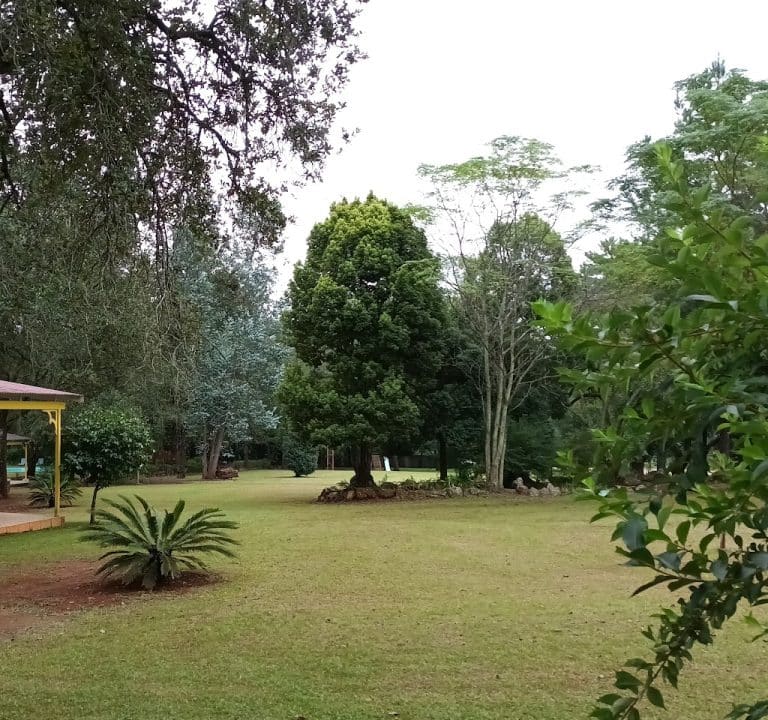
Nestled in Mpumalanga’s scenic Lowveld highlands, Sabie is a gateway to dramatic forests, tumbling waterfalls and miles of pine and hardwood plantations. When planning a stay, consider choosing accommodation that places you within easy reach of the town centre, the forestry routes and the Sabie River valley. Potent options range from charming guesthouses and boutique hotels to self‑catering cottages set among trees or with valley views. A notable local option is Mount Manzi Guest House, one of several family‑run properties that offer a relaxed base for exploring the region. While sizes and styles vary, many Sabie stays share a welcoming, outdoorsy character and a focus on quiet comfort after a day spent beneath the canopy or on the trail.
Where to base your stay matters for day trips and pace. The town centre is convenient for guest admissions, groceries, and casual eateries, while properties perched along the surrounding hills and river valleys can place you closer to nature trails, misty viewpoints and sunrise colours. If you’re visiting with family or a group, look for family rooms, flexible bed configurations, and defined living spaces. For couples or solo travellers seeking solitude, a room with a private balcony or a small garden area can enhance evenings after a day outdoors.
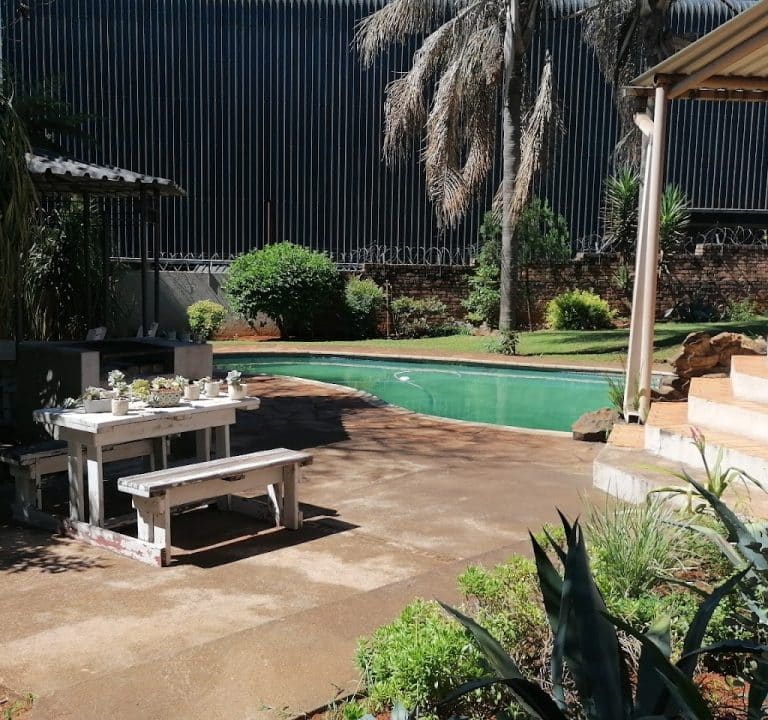
Typical amenities to expect include free parking or secure on‑site parking, reliable Wi‑Fi for planning and sharing photos, and breakfast options that showcase local produce. Some guesthouses and lodges provide full or partial self‑catering facilities, private terraces, and quiet libraries or lounges. If you’re a keen walker or photographer, check whether the property offers early‑start breakfasts, packed lunches for day trips, or guiding tips on best routes and sunrise/ sunset viewpoints. In addition, many Sabie stays emphasise a friendly, informal atmosphere with knowledgeable hosts who can point you to seasonal activities and hidden local spots.
Practical planning tips for booking and staying in Sabie:
- Area considerations: A stay near the town centre offers convenience for dining and shops, while properties a short drive from the main streets may provide more serene forest surroundings or views across the valley. If you’ll be road‑tripping to nearby attractions, check access distances and parking availability at your chosen lodging.
- What to look for when booking: Read guest reviews about accessibility, quiet hours, and how well the property handles heat, rain, or cool nights. Look for en‑suite bathrooms, sufficient heating in winter, and options for early breakfasts or later check‑outs when you have long travel days ahead.
- Transport and getting around: A car is the most flexible way to explore Sabie and the surrounding routes. If you prefer not to drive, verify whether your accommodation can assist with shuttle services or recommend reliable local transfer options. Some attractions are easy to reach by short drives or scenic forest roads, while a few trails may require a bit of careful navigation on your own.
- Best time to visit: The area enjoys a mild climate, but water levels and weather can vary seasonally. Spring and early summer typically bring lush greenery and waterfall activity following the rains, while autumn offers cooler temperatures and comfortable hiking weather. Winter days are generally clear and crisp, with panoramic skies that highlight dramatic landscapes. Tailor your plans to what you want to see—waterfalls, forest walks, or mountain views—and pack accordingly.
- Practical packing tips: Pack sturdy walking shoes, a light waterproof layer, sunscreen, and a hat for sun protection. A lightweight camera or phone with a strong lens will help capture the forest textures and sweeping vistas. For colder evenings, a cosy sweater or fleece is handy, especially in highland locations.
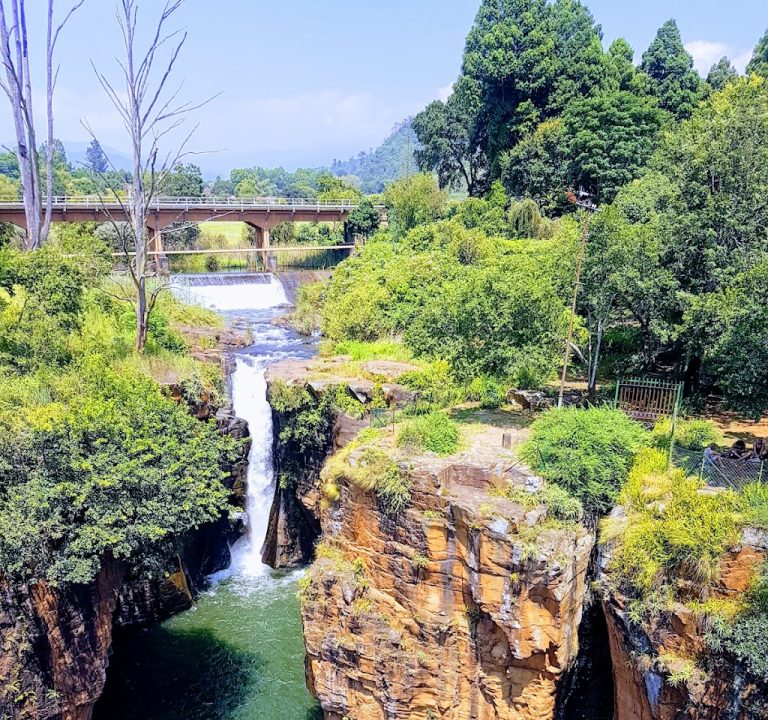
Attractions in and around Sabie are wonderfully suited to visitors who enjoy nature, moderate hikes, and family-friendly outings. The area is famed for short forest walks and lookout points that reveal the region’s verdant beauty, with opportunities to experience the Sabie River, pine plantations, and surrounding valleys. For those seeking a broader sense of Mpumalanga’s natural heritage, day trips to nearby towns offer additional forests, viewpoints and scenic drives that characterise the region—an excellent way to structure several relaxing days without long everyday commutes.
In terms of dining and refreshments, Sabie presents an approachable mix of casual cafés, bistros and restaurants where you can enjoy light lunches, hearty pub meals, or dishes inspired by the countryside. Restaurants tend to favour local produce and simple, comforting fare, making it easy to find a suitable option after a day outdoors. Most places welcome walk‑ins, with more refined menus available at boutique stays or hotel restaurants. If you’re planning a specific evening, it’s worth checking whether venues require reservations, particularly on weekends or during peak travel periods.
To enrich your visit, consider adding a few organised experiences related to Sabie’s surroundings. Short guided forest walks, a slow drive along forestry routes, or a gentle river valley stroll are accessible to most visitors and provide a sense of place without requiring advanced hiking. Engaging hosts at your accommodation can often suggest reliable local operators for nature walks, birdwatching, or short scenic tours that suit your interests and fitness level.
Overall, Sabie rewards travellers who blend relaxed lodging with a flexible, outdoors‑leaning itinerary. Whether you choose a cosy guesthouse like Mount Manzi or another intimate property, you’ll find that the area’s pristine landscapes, gentle pace, and friendly hospitality make for a memorable Mpumalanga stay. Plan with a light touch—allow time for spontaneous stops, and you’ll discover a sequence of encounters with forest calm, waterfall spray, and sunset skies that linger long after you’ve checked out.