Accommodation and Experiences in Sabie, Mpumalanga: Planning a comfortable, scenic stay
Sabie sits on the edge of the Mpumalanga escarpment, offering a good base for exploring the Lowveld and the surrounding forested landscapes. When booking a stay in this charming town, consider the variety of accommodation on offer—from intimate guest houses and country inns to self‑catering cottages and boutique lodges. A well‑chosen base can make day trips to nearby viewpoints, waterfalls and forest trails convenient, comfortable and genuinely memorable.
Areas to consider include the town centre, where guest houses and small hotels often provide easy access to shops, cafés and local markets. Alternatively, look for properties nearer to the forest or along routes that lead into the Sabie River Valley; these locations typically offer quicker access to hiking trails, viewpoints and nature reserves, sometimes with quieter surroundings and enhanced birdlife. If you prioritise scenery and morning tranquillity, a stay on the edge of the town or along hill slopes can provide sweeping vistas and a sense of retreat while remaining within easy reach of Sabie’s amenities.
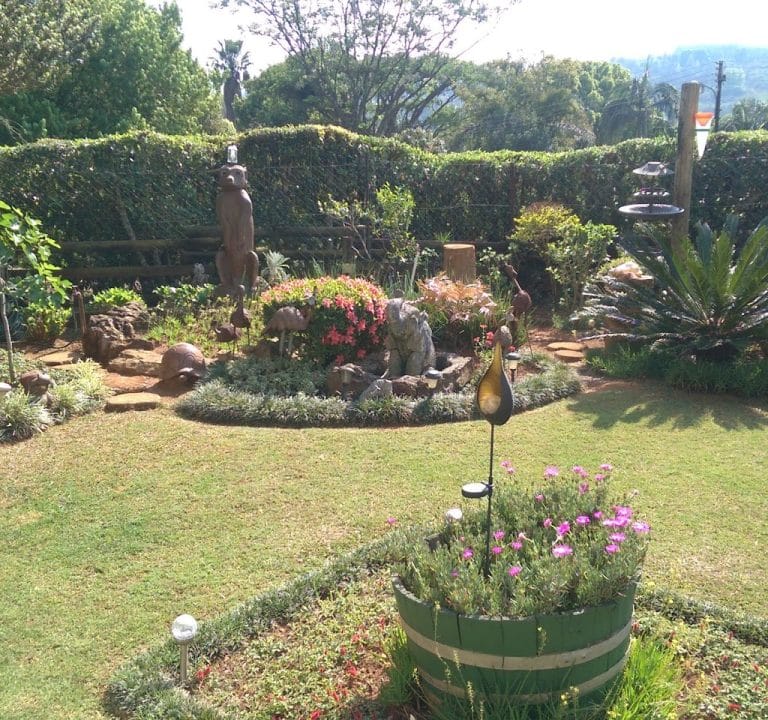
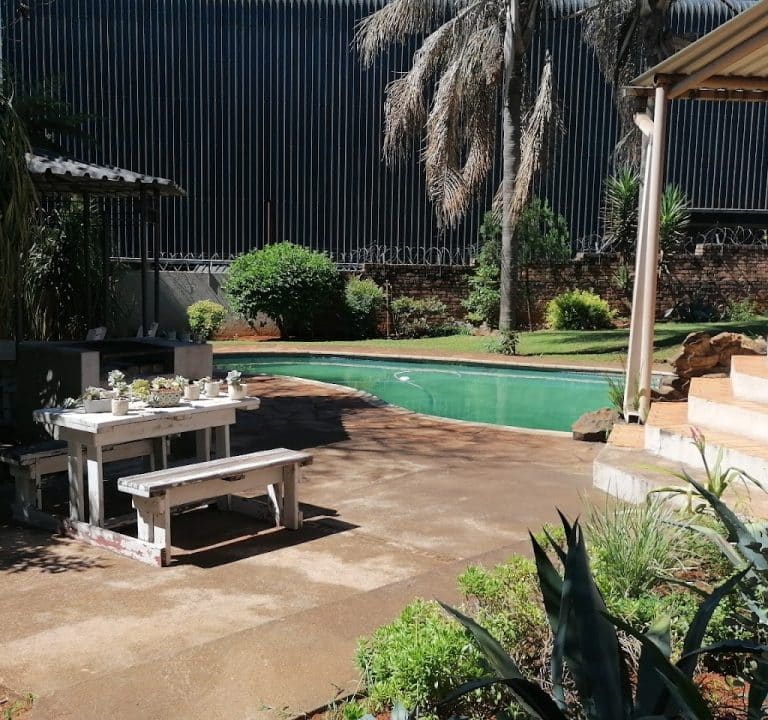
Typical amenities to look for when booking include private or en‑suite bathrooms, on‑site parking, reliable Wi‑Fi, and easy access to on‑site or nearby dining. Many guest houses and lodges in Sabie offer breakfast, and some provide options for evening meals or kitchen facilities for self‑catering. If you value a personal touch, guest houses and small inns often emphasise locally sourced breakfasts, friendly service and a compact, homely atmosphere. Additionally, consider whether the property has outdoor spaces such as verandas or fire pits, which are especially pleasant for evenings after day trips.
Transport in Sabie is generally straightforward for travellers with a rental car. The town is connected by main roads to Hoedspruit, Nelspruit (Mbombela) and other popular routes. In some cases, guest houses provide secure parking or offer private transfers to nearby attractions. If you plan to explore a little further afield, confirm the approximate driving times to key natural sights and trailheads, and request clear directions or a map from your host in advance.
Best time to visit Sabie tends to be driven by weather and the kind of outdoor experiences you seek. The region can be beautifully lush after rains, typically in the southern hemisphere’s summer months. For photography and comfortable hiking, many visitors favour the cooler, drier months of late autumn and winter, when days are crisp and trails are clearer. If you enjoy waterfall scenery and forest walks, spring can also be rewarding as flora comes into bloom. Pack layers, a waterproof jacket and sturdy walking shoes, and be prepared for variable conditions in the highlands.
Practical planning tips to help you get the most from your stay:
- Book early during peak travel periods such as school holidays and long weekends, especially for sought‑after guest houses and boutique lodges.
- Check how close your accommodation is to the start points of the popular forest trails and waterfalls, and verify parking arrangements if you plan day trips by car.
- Ask about accessibility features if needed, and whether breakfast or evening meals are available on‑site or nearby.
- Consider guest house hosts’ local recommendations for trails, viewpoints, and dining options, which can add a lot to your stay.
- Bring a small clinical kit and spare water when heading into forested or higher‑altitude areas, and be mindful of weather changes.
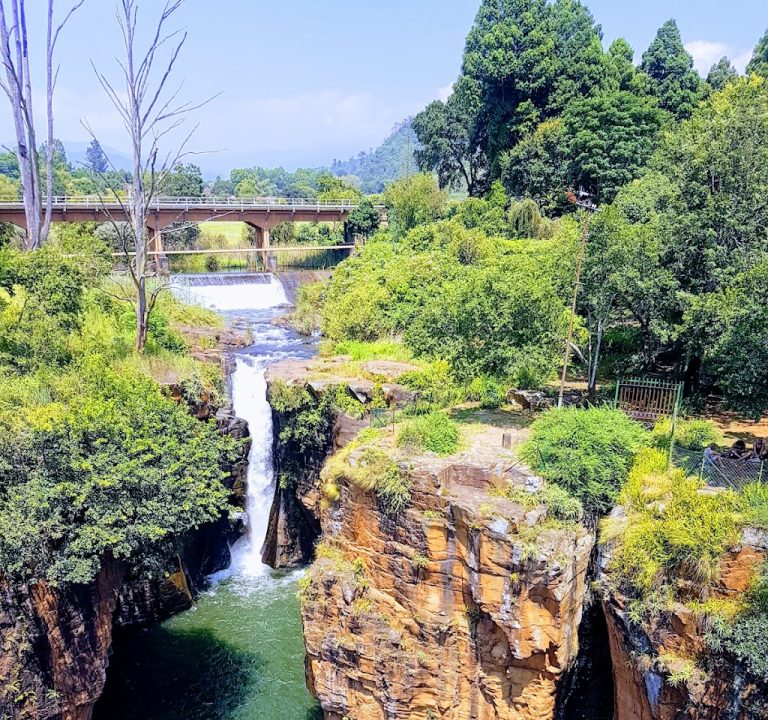
Attractions and experiences in and around Sabie are designed for a broad range of interests. Expect verdant forests, tumbling waterfalls and scenic lookouts that showcase the region’s natural beauty. Forest walks and short hikes can reveal fynbos, mosses and birdlife, while viewpoints along the escarpment offer sweeping panoramas over the valley below. In town, visitors often enjoy a relaxed pace, friendly cafés and a handful of dining venues that focus on regional produce and comforting meals after busy days outdoors. For something a little different, you can arrange guided walks or nature experiences through your accommodation or local operators, helping you make the most of Sabie’s natural surroundings without needing extensive planning.
When it comes to dining, Sabie’s eateries typically cover a range of styles—from light breakfasts and hearty lunches to casual dinners. Many venues emphasise a relaxed, informal atmosphere with menus that reflect local ingredients. If you’re staying in a guest house, you may find the breakfast experience a highlights of your stay, with hosts able to guide you toward nearby cafés or restaurants for lunch and dinner options. For visitors who enjoy trying local fare, you’ll have opportunities to sample simple, well‑cooked meals that complement long days spent outdoors.
To round out your stay, consider planning a couple of flexible days that balance outdoor exploration with downtime in your guest house or hotel. Sabie rewards travellers who take the time to slow down, enjoy fresh air, and let the scenery shape the day. A thoughtfully chosen accommodation, paired with sensible travel timing and good local tips, makes for a comfortable, enjoyable visit to this scenic corner of Mpumalanga.