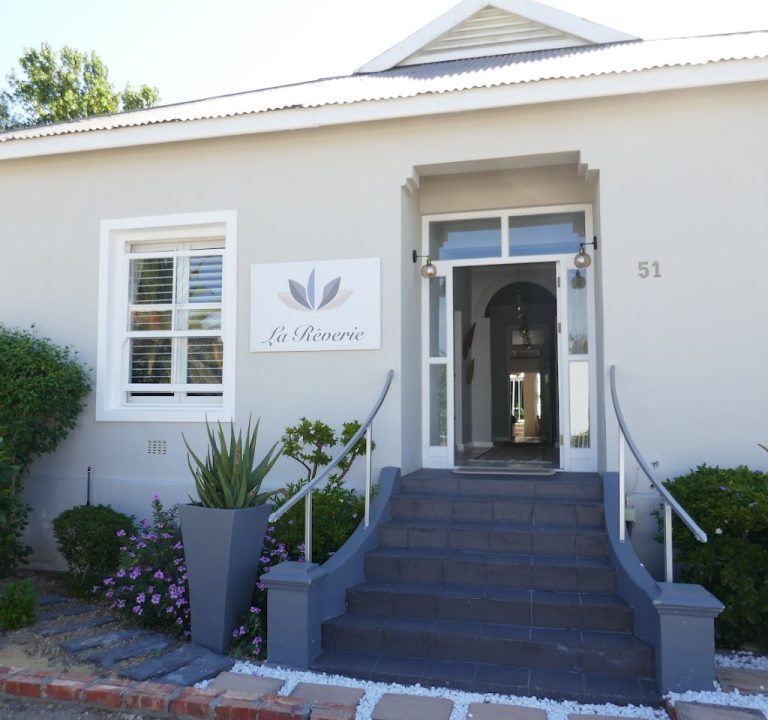
Accommodation and Experiences in Franschhoek, Western Cape
Franschhoek is famed for its scenic valley, gourmet cuisine and a compact village feel that makes it easy to explore on foot or by chauffeured wine tour. When planning a stay, think about where you want to base yourself: the centre of the village offers easy access to dining, galleries and shops, while surrounding wine farms and boutique estates provide a peaceful retreat with vineyard views. Whether you prefer a cosy guesthouse, a refined hotel, or a self-contained lodge, Franschhoek’s lodgings are diverse and generally focused on comfort, hospitality and easy access to the region’s renowned food and wine experiences.
Accommodation options include intimate B&Bs and guesthouses tucked along grape-lined lanes, small boutique hotels with personalised service, and larger country houses with pools and gardens. In recent years, many properties have expanded to include modern conveniences such as ensuite bathrooms, reliable Wi‑Fi, well-appointed kitchens or kitchenettes, and outdoor spaces for al fresco dining. A number of establishments will also offer in-room nespresso machines, complimentary beverages, generous breakfasts and curated wine or cheese experiences. If you prefer a more integrated stay, some lodges sit within or just outside vineyard boundaries, offering panoramic views and some degree of seclusion without losing village accessibility.
Montarbre Cottage is one example that reflects the range of options in Franschhoek. It can serve as a comfortable base from which to explore the valley’s dining scene and wine estates, with convenient access to walking trails and local attractions. When evaluating a property, consider the following common features that help determine a good match for your stay.
- Location and accessibility: proximity to the village centre, wine estates, and hiring transport for longer day trips.
- Room layout and amenities: en-suite bathrooms, adequate storage, climate control, and safe parking if you’re driving.
- Public spaces: whether there are communal lounges, gardens, or a pool area to relax in after a day of exploring.
- Meal services: whether breakfast is included, and if dinner or tasting experiences can be arranged on-site or nearby.
- Staff and service: personalised welcome, knowledgeable recommendations for local dining and tours, and responsiveness to guest needs.
How to plan the stay: consider a balance between wine-country days and time in Franschhoek village. A two- to four-night stay is typical for visitors who want to experience a few vineyards, enjoy a couple of long lunches or dinners, and still have downtime to stroll the main street, pop into galleries, and relax on site. If you’re pursuing tasting experiences, pre-booking at popular wine estates or restaurants is wise, especially in peak seasons. For a more relaxed pace, select a base near the village and take short, easy day trips to surrounding estates or the broader Cape Winelands region.
Transport and getting around can be straightforward with a rental car, taxi service, or guided wine tours. If you stay near the village, you’ll often be able to walk to several eateries and amenities, but a car becomes handy for day trips to estates outside walking distance. Some properties may offer shuttle services or provide information about local transport options. For those preferring not to drive, many tour operators run guided routes through the valley, with stops at multiple estates and a focus on safe, scenic touring in small groups.
The best time to visit Franschhoek combines weather, harvest cycles and seasonal culinary calendars. Spring (September to November) brings blossoms and pleasant temperatures, ideal for outdoor dining and vineyard strolls. Summer (December to February) is warm and lush, though crowds may be larger during school holidays. Autumn (March to May) offers cooler days and crisp evenings, often with excellent wine-tasting conditions. Winter (June to August) tends to be cooler, with cosy fires in guest rooms and enriched dining experiences indoors. Booking well in advance for peak periods is recommended, and flexible itineraries help you adapt to changing weather or restaurant reservations.
What to look for when booking a stay includes the quality of the breakfast offering, cleanliness and comfort, and the responsiveness of staff. Many Franschhoek properties feature gardens, terraces or courtyards where guests can enjoy morning coffee or a sunset drink. Pool areas can be a welcome retreat on warmer days, while protected outdoor spaces are particularly valued in shoulder seasons. Room designs range from traditional country-house aesthetics to contemporary interiors; choosing a style that suits your mood will heighten your enjoyment of your visit.
Dining and local experiences form a vital part of a Franschhoek stay. The village is renowned for food-focused experiences, with many restaurants offering seasonal menus that showcase local produce, paired with regional wines. In addition to dining, look out for wine tastings, cellar tours, art galleries, and boutique shops that highlight local crafts. If you’re interested in a more hands-on experience, some vineyards provide guided tastings, blending sessions, or small-scale food pairings that complement the Rhône and Provence-inspired influences the valley is known for. For those seeking a broader sense of the region, day trips to neighbouring towns and countryside trails offer additional perspectives on the Western Cape’s landscape and culinary traditions.
Practical tips for a smoother stay:
- Book key experiences early, especially acclaimed wine estates and fine-dining restaurants, to secure preferred times.
- Check cancellation policies and flexible rates in case plans change.
- Pack layers for variable weather; evenings can be cooler even in warmer months.
- Bring comfortable footwear for village strolls and vineyard paths.
- Consider combining a wine-tocuisine itinerary with a spa or wellness day in some properties for a balanced break.
- Respect estate policies and crop cycles when visiting vineyards that maintain working farms.
Franschhoek offers a compact yet rich tourism experience: excellent accommodation, a refined gastronomic scene, and easy access to wine country. Whether you seek a cosy retreat in the village, a stylish boutique hotel among the vines, or a self-contained cottage with garden views, planning around location, amenities, and a well-chosen mix of tastings and meals will help you make the most of your Franschhoek sojourn.