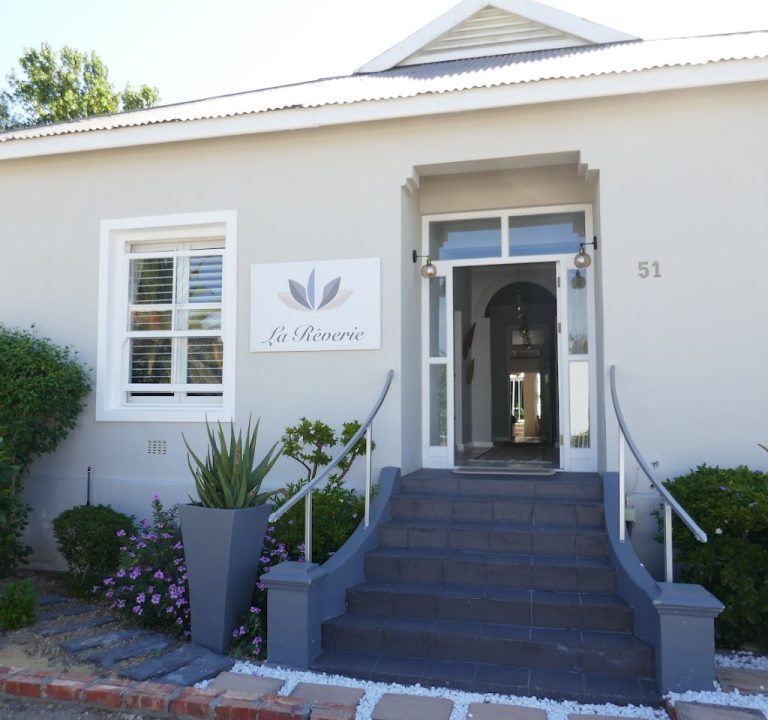
Where to stay and what to do in Franschhoek: a practical guide for travellers
Franschhoek, set in the scenic Winelands of the Western Cape, offers a compact yet diverse range of places to stay, from cosy self-catering cottages to boutique guesthouses and upmarket hotels. The town’s compact centre is easy to stroll, with countryside views, vineyards and mountains framing every excursion. When planning a stay, consider which area best suits your pace and interests: the historic core for easy dining and town atmosphere, the surrounding vineyards for a rural escape, or quieter outlying pockets for a peaceful retreat.
Self-catering options can be particularly appealing for travellers seeking flexibility, family-friendly arrangements or a home-from-home feel. In Franschhoek, self-catering accommodation often comes with well-equipped kitchens, outdoor spaces and private parking. Look for properties that offer practical features such as reliable wi‑fi, laundry facilities, clear access to a communal area or garden, and a straightforward approach to cleaning and maintenance. If you’re visiting in peak season, early booking is wise, as popular choices tend to fill quickly, especially for longer stays.
Booking considerations worth weighing include location relative to the town square (centre-based stays provide easy access to shops, galleries and eateries) versus hillside or vineyard-facing options (these can deliver enhanced views and a quieter ambience). Check road access and parking arrangements, as some central properties have limited on-site parking or require street parking. For a relaxed approach to transport, note whether the property offers convenient access to local taxis or a car-friendly layout, since Franschhoek is best explored with a little local mobility to hop between wine estates and dining venues.
Typical amenities across Franschhoek’s accommodation spectrum tend to reflect the region’s refined but welcoming character. Expect well-equipped kitchens or kitchenettes, private living spaces, outdoor terraces or courtyards, and a touch of regional décor that nods to the area’s French Huguenot heritage. Heating or cooling options are helpful across the seasons, as the climate can vary from warm, dry summers to cooler, mistier mornings in the shoulder months. A comfortable bed, quality linens, and adequate storage are essential, along with clear information about check‑in and check‑out procedures. If an on-site pool or outdoor seating area is important to you, verify availability with the property before booking, particularly during peak sun seasons when outdoor spaces are prime.
When planning your itinerary, think about how much time you’d like to spend in Franschhoek itself versus venturing to nearby towns and wine routes. The area is renowned for its scenic drives and vineyard experiences that range from cellar door tastings to guided tours. If you intend to visit multiple estates, a loosely planned route can save time and reduce driving fatigue. Shared or guided experiences may provide a convenient way to learn about the region’s terroir and wine history, while private arrangements offer flexibility in pace and stops. Consider setting aside a day for an easy hike or a slow morning at a local cafe, followed by a wine-focused afternoon.
Transport in Franschhoek is typically best managed with a car, giving you flexibility to explore the surrounding valley at your own pace. Some accommodations can arrange transfers or local shuttle services, and a few may offer curated experiences or partnerships with local operators. If you don’t plan to drive, check whether your accommodation is within safe, easy walking distance of the town centre and whether there are reliable options for evening return journeys. Bicycles can be a pleasant way to cover short distances, weather permitting, so look for bike-friendly facilities if this suits your style.
Best time to visit Franschhoek tends to be spring (September to November) and autumn (March to May), when temperatures are comfortable and the countryside is at its most lush. Summer is sunny and busy, with longer days and a lively dining scene, while winter brings cooler weather and quieter streets, which some travellers prefer for a more intimate experience. If you’re visiting during harvest season, you may witness the vineyard activity firsthand, which can add a special dimension to your stay. Regardless of when you travel, booking ahead for accommodation and any must-do experiences is prudent due to the town’s popularity.
Practical tips for a smooth stay:
- Pack versatile clothing for temperature swings; mornings can be cool, with warm afternoons in the vineyards.
- Bring comfortable walking shoes for town strolls and light trails around the surrounding hills.
- Carry a map or download offline directions to vineyards and dining spots, as mobile reception can vary in rural pockets.
- Plan dining and tasting days with some flexibility, as wine estates and restaurants may shift hours outside peak seasons.
- Check cancellation policies and whether offers include breakfast, housekeeping, or access to on-site facilities such as pools or gardens.
Attractions and dining experiences in Franschhoek are often framed by the region’s wine culture and heritage. In general terms, expect a mix of landscape-focused activities—vineyard tours, scenic drives and art galleries—interwoven with culinary experiences that emphasise local produce and seasonal fare. While specific venues and prices can vary, the town’s appeal lies in the sense of place: a charming core surrounded by rolling vineyards, mountain backdrops, and a culinary scene that is both refined and welcoming. For those planning a visit, a stay that combines comfortable accommodation with easy access to both the town centre and nearby wine routes offers a well-balanced Franschhoek experience. Visit the locality’s official tourism pages or your chosen accommodation’s site for current information, suggested itineraries, and practical tips for planning your stay.