Gqeberha: where to stay, what to do and how to plan a memorable visit
Gqeberha, commonly known as Port Elizabeth, sits on the Eastern Cape’s coastline with a reputation for wide beaches, friendly neighbourhoods and a relaxed South African pace. When planning a stay, many visitors choose a base near the beachfront, such as the popular coastal suburbs, or opt for the city centre to be within easy reach of shops, markets and cultural venues. Whether you want sea breezes, convenient access to game reserves, or a quiet garden setting, the range of accommodation here can accommodate different budgets and trip styles.
Accommodation choices span guesthouses, bed & breakfasts, boutique hotels and larger hotels. If you are choosing a B&B or guesthouse, expect a more personalised stay with a hearty breakfast in the morning and hosts who can share local tips. In contrast, a modern hotel or lodge in the main tourist zones may offer enhanced facilities such as on-site dining, secure parking and flexible room configurations for families or groups. When booking, consider the area, the type of experience you want and the level of self-catering or dining included.
Key areas to consider include the beachfront precincts and Summerstrand, known for easy beach access, scenic walks and proximity to the university and lighthouse views. Humewood offers a mix of beaches, shopping and calmer residential streets. The city centre provides a gateway to museums, galleries and urban markets, while the port side and greenbelts nearby can offer more tranquil, leafy stays. If you’re travelling with children or planning longer stays, look for places with convenient parking, reliable security and easy access to major routes for day trips to nearby wildlife reserves and coastal towns.
Typical amenities to look for when booking include reliable Wi‑Fi, breakfast options, parking or easy alternatives for safe parking, air conditioning or heating, private bathrooms and convenient access to public transport. For families, request family rooms or larger suites, and check whether cots or high chairs are available. If you value eco-conscious practices, inquire about water-saving measures and energy-efficient lighting. For accessibility, check step-free entry, wide doors and bathroom layouts if needed. A reliable host or property manager who speaks your language can be a big help in navigating local tips and arrangements.
Transport in Gqeberha is generally straightforward for travellers. A car gives you the most flexibility to explore beaches, game reserves and coastal towns, but there are also taxi services and limited public transport options. If you prefer not to drive, choose accommodation with easy access to walkable routes, taxi stands or short rides to major sights. Consider planning day trips to nearby parks or reserves, where mornings are often the best time for wildlife viewing and cooler temperatures.
Best time to visit tends to align with the Southern Hemisphere climate. Summers (November to February) are warm and sunny, great for beach days, though they can be busy with tourists and local events. Autumn (March to May) brings milder weather and pleasant conditions for strolling along the prom or exploring markets. Winter (June to August) is cooler and drier on the coast, a good period for coastal walks and indoor attractions. Spring (September to November) offers blooming gardens and longer daylight hours. Check local event calendars for festivals or markets that reflect the city’s culture and energy during your stay.
When it comes to experiences, many visitors enjoy a mix of outdoor time and cultural discovery. Coastal strolls along the sandy beaches, lighthouse viewpoints and the harbour area offer a quintessential glimpse of the city’s maritime character. Wildlife encounters can be found in nearby reserves and nature areas, where guided safaris or nature walks provide opportunities to learn about the region’s fauna and flora. Markets and central streets often feature crafts, local foods and street performances, while museums and galleries provide context about the city’s history and regional heritage. Dining options range from casual eateries to more refined venues offering seafood and South African favourites.
Practical tips to help you plan smoothly:
- Book in advance for peak seasons and events, especially near holidays and school breaks.
- Request secure parking if you are hiring a vehicle, and confirm access to your room or unit if you arrive late.
- Ask about breakfast times and whether there are flexible options for early departures or late returns.
- Note cancellation policies and any changes required by weather or personal plans.
- Check proximity to your planned activities and the availability of local transport for day trips.
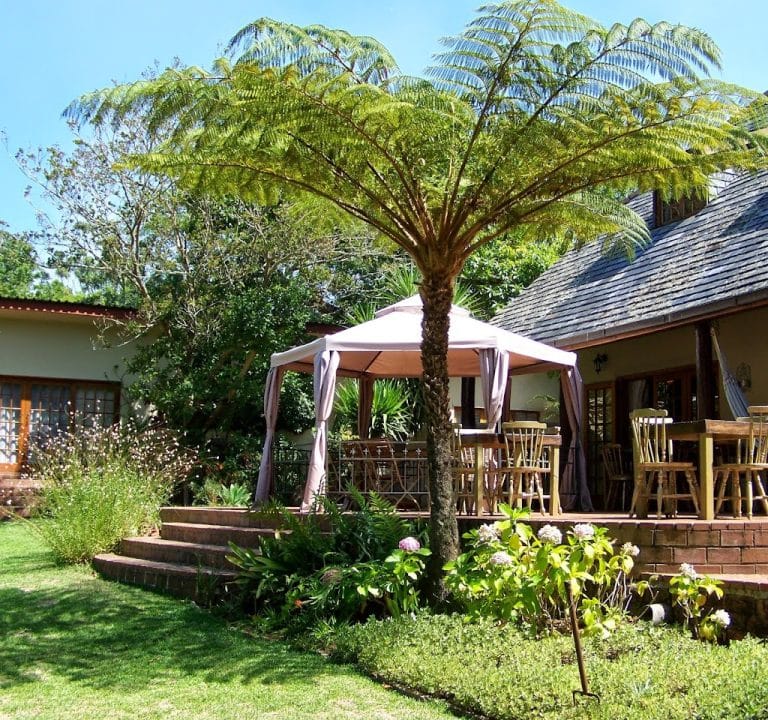
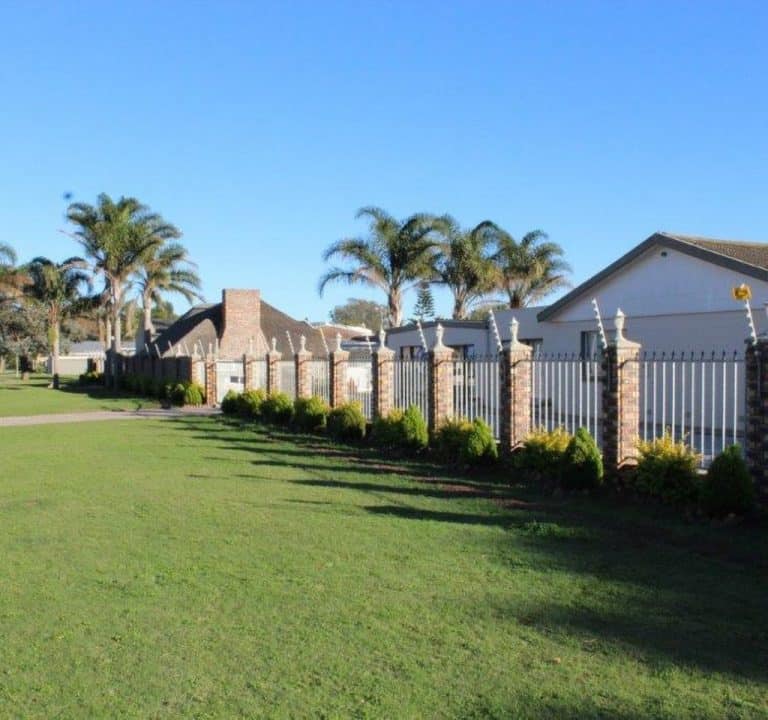
Example accommodation is the Mongoose Manor Bed & Breakfast, a property described as a bed & breakfast option in the area. While the details and facilities can vary by season, such establishments typically balance a homely atmosphere with convenient access to nearby beaches, cafes and transport links. If you are considering a stay with a personal touch, it may be worth exploring several B&Bs or guesthouses in the Summerstrand or Humewood neighbourhoods to compare room types, breakfasts and guest recommendations. For further planning, you can visit lodgings’ official websites or travel guides that summarise local sights and practical travel tips.