Gqeberha: accommodation, attractions and planning your stay in the Eastern Cape
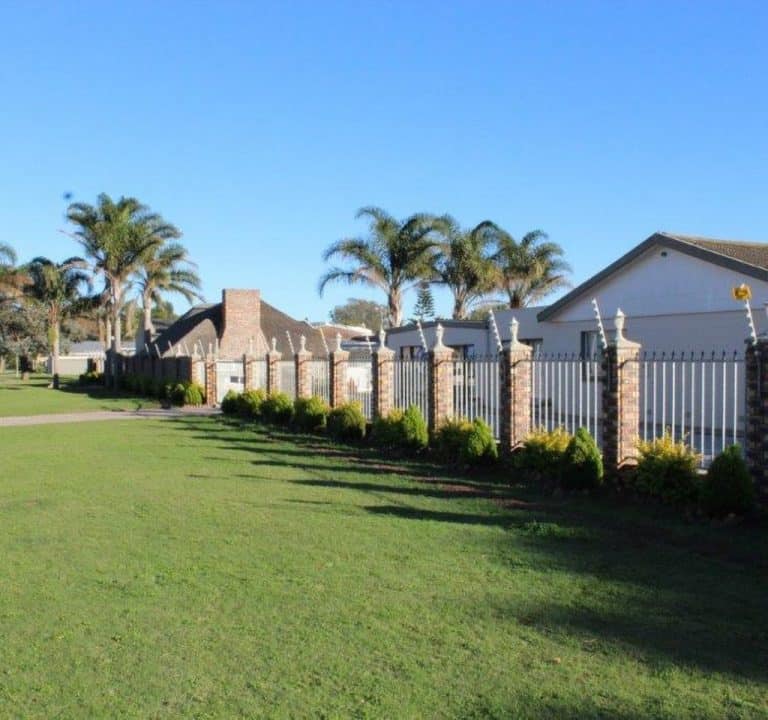
Gqeberha, known locally for its long sandy beaches, harbour heritage and leafy suburbs, offers a diverse range of places to stay that suit different rhythms of travel. When choosing accommodation, consider the area that will put you closest to the kind of experiences you seek—from sun-drenched beachfront strolls to historic harbour walks and lively dining precincts. A guesthouse such as Cadenza Guesthouse provides a neighbourly base with period charm and easy access to central sights, while boutique hotels and modern lodges around the coastal suburbs offer a contemporary touch without sacrificing convenience.
Neighbourhoods to consider include the city centre’s heritage streets and convenient access routes, Humewood with its easy beach access and scenic viewpoints, Summerstrand for proximity to the ocean and the university precinct, and Walmer or Greenacres for quieter stays with straightforward drives to the airport and major routes. If you prefer a more relaxed beachfront setting, the coastal strips near the main beaches mix guesthouses, self-catering apartments and small hotels with a sea breeze that permeates daily life. When booking, think about your priorities: walking distance to the beach, quick access to main routes for day trips, or a quiet courtyard setting for evenings in.
What to look for when booking is as important as where to stay. Check the size and layout of the room, the availability of a private bathroom, and whether there is a flexible breakfast option if you plan late mornings after a long day of activities. Services such as secure parking, reliable Wi‑Fi, and clear information about local transit can save you time. If you’re visiting for business or family events, ask about workspaces or family rooms. For travellers seeking a home-from-home feel, look for guesthouses or B&Bs that include a personal touch—a guestbook, shared lounge areas, or hosted dinners that offer a taste of local hospitality.
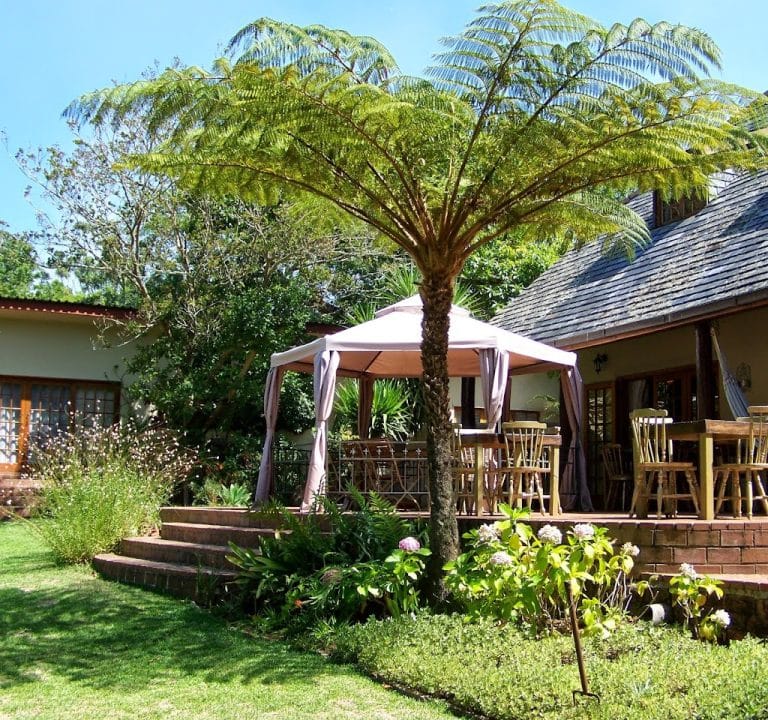
Typical amenities you might encounter include clean, comfortable beds with quality linens, en-suite or well-appointed shared bathrooms, air conditioning or good ceiling fans in warmer months, and well-equipped kitchens or kitchenette options for self-catering. Outdoor spaces are a bonus—the possibility of a shaded patio, a small garden, or a rooftop area to enjoy the sea breeze can be the deciding factor on a stay. A reliable breakfast service is often a highlight in guesthouses, offering a range of fresh yields from locally sourced ingredients. If you have mobility considerations, verify accessibility features such as step-free entry and a lift if staying in larger buildings.
Transport planning is a practical pillar of a smooth Gqeberha visit. In coastal areas, a car is often the easiest way to explore beyond the immediate neighbourhoods, with parking commonly available at guesthouses and hotels. For shorter hops, local taxis and rideshare apps can help you reach the city harbour, beachfront promenades, and nearby restaurants after dark. Public transit options exist but can be limited outside peak areas, so balancing your itinerary with a central base is sensible. Timing your arrival around peak traffic hours will also help you settle in more calmly and give you time to orient yourself to the city’s layout.
The best time to visit Gqeberha depends on what you want from your trip. Summers (roughly November to March) bring warm weather and the prospect of beach days and outdoor markets, though occasional showers can occur in the afternoon. Winter (May to August) offers cooler days, fewer crowds and excellent conditions for exploring museums, galleries and harbour walks without the bustle of peak season. Shoulder seasons can provide pleasant temperatures and good opportunities for coastal walks and wildlife-spotting trips along the South African coastline. If water temperatures are important to you, plan beach days for the warmest months and bring a light raincoat for the occasional coastal breeze that can sweep across the region.
When it comes to experiences, think of your stay as a combination of restful downtime and easy explorations. Gqeberha’s attractions span coastal scenery, historic harbour district walks, and access to the wider Eastern Cape’s wildlife and cultural offerings. You can enjoy scenic viewpoints along the beachfront, browse markets for crafts and local produce, and sample a range of dining options that emphasize seafood and regional comfort dishes. Restaurant scenes vary from casual spots with al fresco seating to more refined venues where you can linger over traditional favourites and contemporary ones alike. For most visitors, planning a couple of evenings out in safe, well-lit parts of town with a walkable distance from your accommodation provides a balanced mix of relaxation and immersion in local life.
Practical tips to help you plan a smooth stay:
- Research the area you wish to base yourself in and map your key day trips in advance to maximise time.
- Confirm breakfast arrangements and any self-catering facilities if you prefer flexible mornings.
- Check transport options from the airport and to major attractions, and consider booking car hire for flexibility.
- Look for guesthouses that offer local knowledge or hosted suggestions for day trips and restaurant recommendations.
- Pack for a range of weather; coastal evenings can be cooler, even in summer.
In summary, Gqeberha rewards thoughtful planning with a comfortable stay and easy access to a mix of beaches, heritage streets and dining. Whether you choose a characterful guesthouse such as a well-appointed city dwelling or a restful coastal base with modern comforts, the city provides a hospitable backdrop for discovering the Eastern Cape’s unique blend of sea air and South African warmth. For more information and inspiration, visit reputable accommodation websites or the official local tourism pages to align your dates, budget and interests with the best available options.