Johannesburg: accommodation, attractions and tips for planning your stay
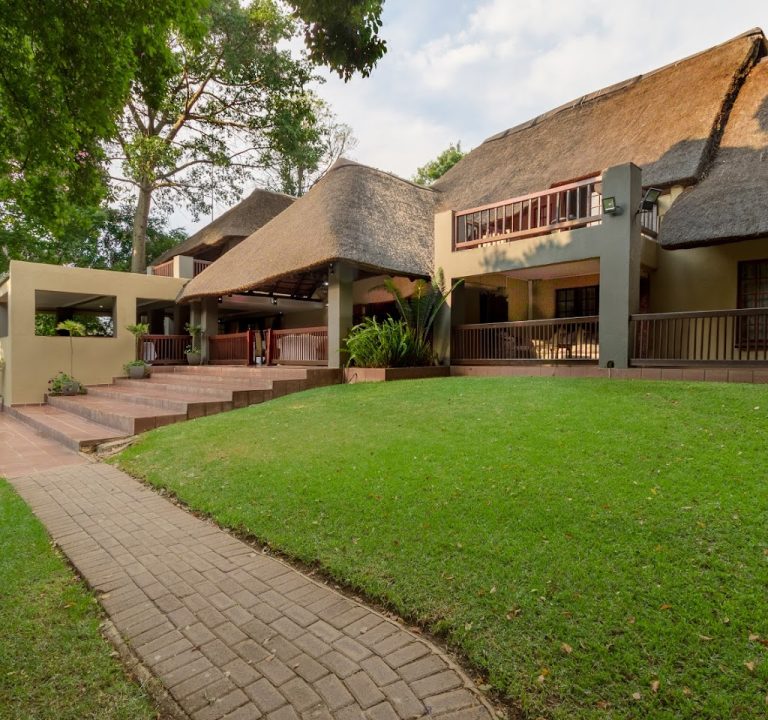
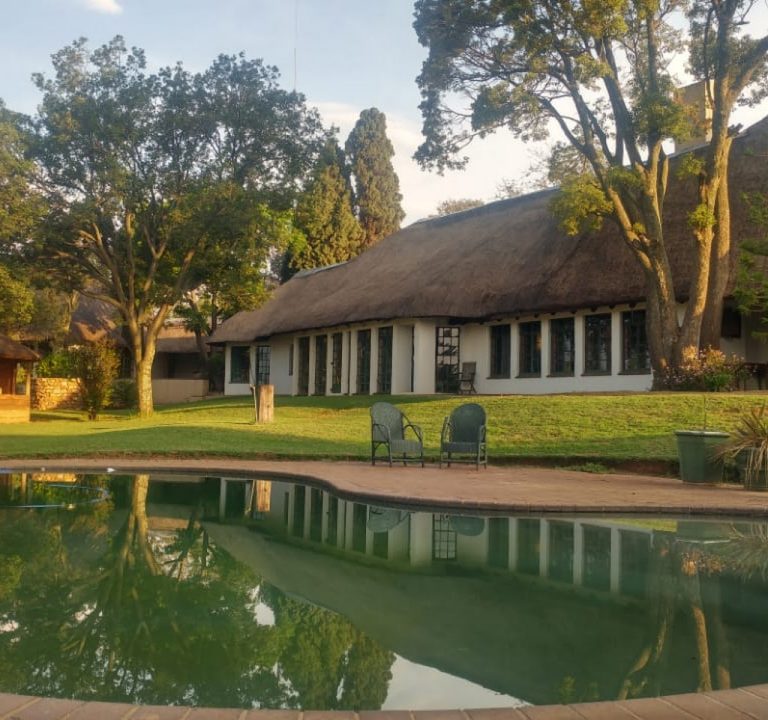
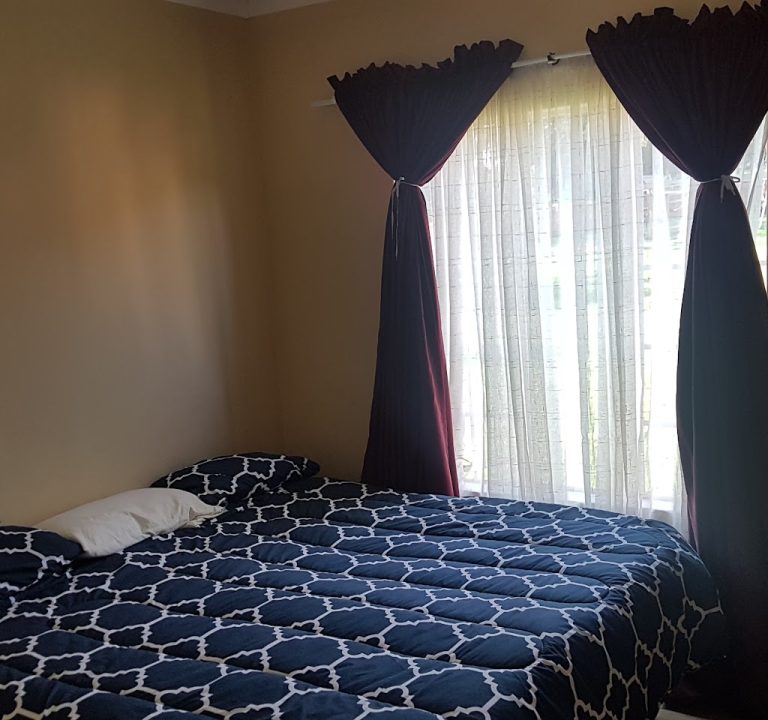
Johannesburg, in the province of Gauteng, offers a dynamic mix of urban energy, cultural heritage and easy access to surrounding regions. When choosing where to stay, consider the character of neighbourhoods as well as practical needs such as security, access to transport and quiet for rest after busy days. A family-friendly guest house such as Monchique Guest House can provide a welcoming base with personalised service, comfortable rooms and a compact set of amenities that suit short breaks and longer stays alike.
The city is spread out, and staying near a core hub often makes day trips and evening meals more convenient. The northern suburbs around Sandton are known for modern hotels, shopping and business facilities. The central districts around Braamfontein, Maboneng and Newtown offer a more artsy, walkable experience with easy access to eateries, venues and galleries. In contrast, Rosebank and Parkview provide leafy streets, boutique stays and a slower pace while remaining well connected to public transport. Soweto, a universe of its own, provides cultural insight and guided experiences, often within guesthouse or small hotel settings that blend comfort with authenticity.
Booking considerations most travellers find useful include the following:
- Proximity to a Gautrain station or major bus routes for quick access to the city and other attractions.
- Noise levels, especially if you plan to rest during the day or travel with children.
- On-site safety features—secure entry, well-lit surroundings and 24-hour access if you’re arriving late.
- Availability of breakfast and light meals, which saves time on busy mornings.
- Flexible check-in/check-out and dry-cleaning or laundry facilities for longer stays.
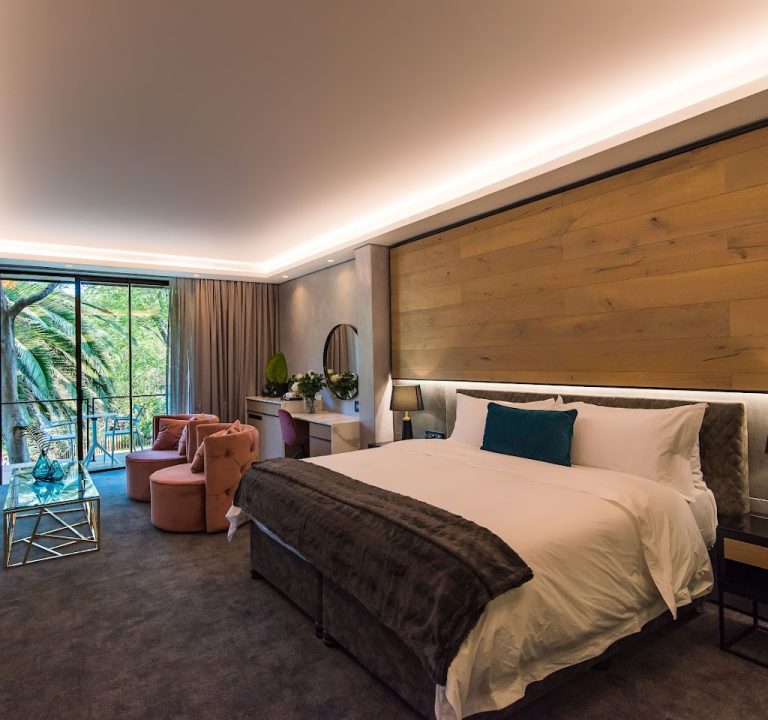
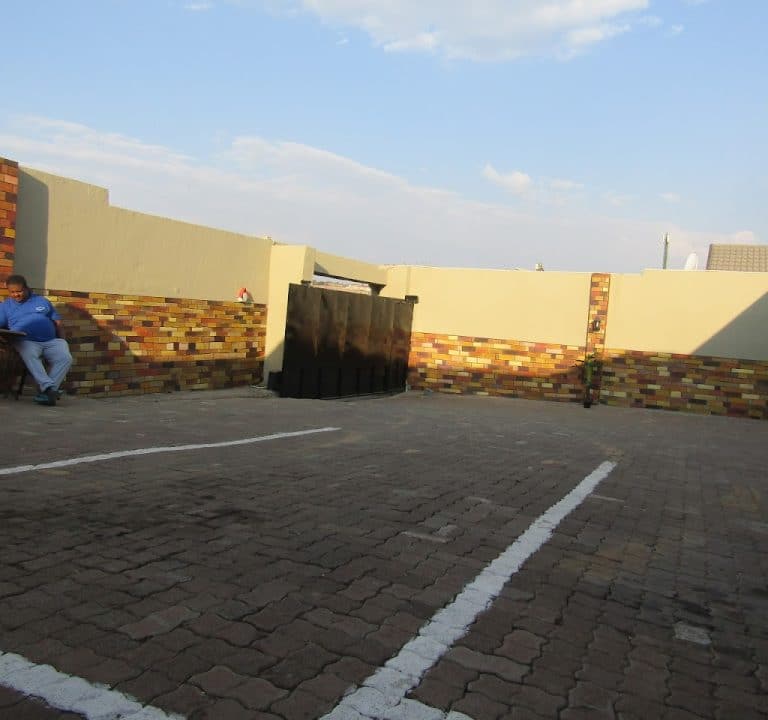
Typical accommodation offerings in Johannesburg range from stylish guest houses and boutique hotels to mid-range lodges and serviced apartments. Expect comfortable en-suite rooms, free Wi-Fi, air conditioning, and tea- and coffee-making facilities. Many properties also offer secure parking or valet options, which can be particularly helpful if you’re driving or hiring a car. Look for properties that provide reliable housekeeping, generous common spaces, a guest lounge or courtyard, and easy access to public transport links.
Practical planning tips for a comfortable stay include budgeting for transport and meals. The city is large, and while some areas are well served by ride-hailing apps, others benefit from more independent travel arrangements or car hire for flexibility, especially if you plan to explore beyond the city centre. Public transport has improved in recent years, with rapid rail connections via the Gautrain and bus networks; however, a private vehicle or organised tours can still be convenient for certain itineraries, particularly in the northern suburbs and when visiting attractions outside the city core.
The best time to visit Johannesburg is generally during the dry winter months (May to August), when daytime temperatures are mild and rain is limited, making outdoor sightseeing comfortable. Summers bring warmth and occasional showers; daylight hours are longer, which suits late-evening strolls and al fresco dining. If you’re chasing seasonal events, keep an eye on festival calendars in the city’s cultural districts and parks, as these can be excellent extensions to a well-planned stay.
When it comes to attractions and experiences, visitors can expect a city that blends history, art and modern allure. General options include fascinating museums and galleries, expansive parks, and vibrant markets where you can browse crafts and sample local cuisines. Dining ranges from cosmopolitan restaurants to casual eateries serving dishes influenced by diverse communities. In all cases, look for places that emphasise safety, good value, and distinctive atmosphere—qualities that many guest houses and boutique hotels strive to offer their guests.
To plan an itinerary, consider a balanced mix of city sights, neighbourhood exploration and a couple of day trips. A walk-through of historic districts gives perspective on Johannesburg’s development, while a guided neighbourhood tour can uncover street art, music venues and independent cafés. For dining, you’ll find a spectrum from refined establishments to casual eateries where you can enjoy local flavours in a relaxed setting. If you prefer crowds-free experiences, choosing a smaller hotel or guest house with curated recommendations and a friendly front desk team can make a big difference.
Practical tips for a smooth stay:
- Confirm transport options before booking, including proximity to rail links and the availability of reliable taxis or ride-hailing services.
- Ask about breakfast timings, guest laundry or ironing facilities and any on-site security measures.
- Check the cancellation policy and whether the rate includes essential services such as Wi-Fi or parking.
- Plan a staggered itinerary to avoid peak traffic, enabling time for restful breaks between activities.
- Bring a light jacket for cooler evenings, especially if your stay includes stays in the northern or higher-altitude areas.
For further inspiration and practical planning, reputable city and regional tourism sources offer maps, suggested routes and current events. Travellers can also explore the official pages of Johannesburg and Gauteng tourism for visitor information, transport guides and up-to-date tips. With thoughtful planning, Johannesburg can be an engaging, comfortable destination where accommodation supports a rewarding travel experience. For more information, you may wish to visit the City of Johannesburg’s official resources or regional tourism sites.