Staying in Johannesburg: where to stay, what to book, and what to do
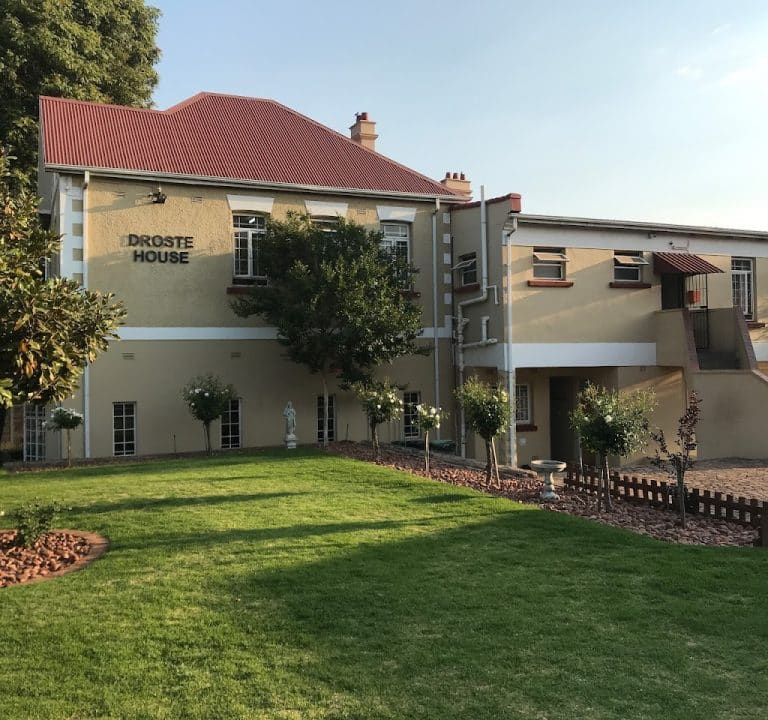
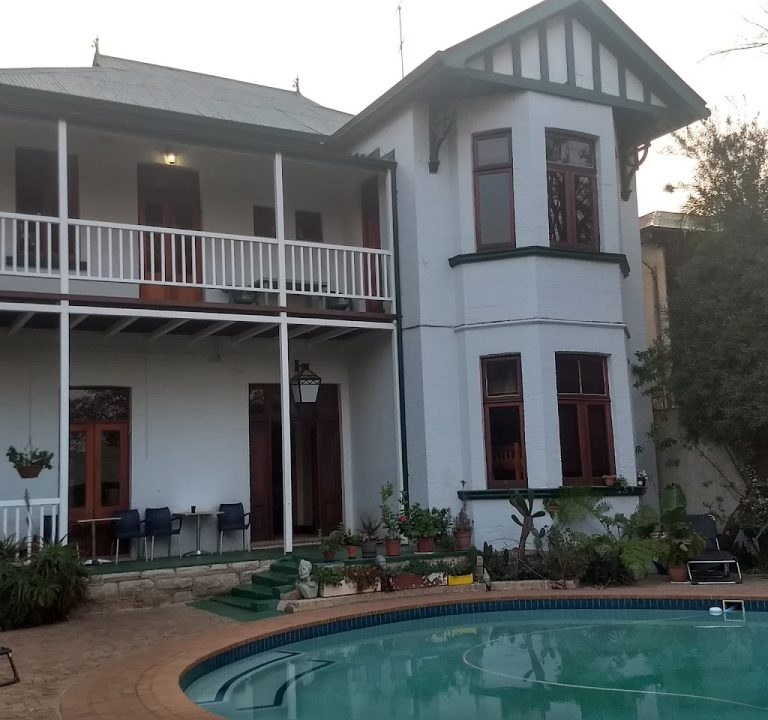
Johannesburg, or “Joburg” as locals often say, offers a dynamic mix of leafy suburbs, buzzing precincts and world‑class museums. When planning a stay, think about what you want to experience first: historic sites, contemporary neighbourhoods, or easy access to business districts. A well‑chosen base will make it easy to explore the city and return to a comfortable night’s sleep. One example of a friendly option is MILLY GUEST HOUSE JHB, a guest house that showcases the personal warmth and practical amenities many visitors seek in Gauteng.
Areas to consider for accommodation include central and business districts, vibrant urban hubs and quieter residential pockets. Braamfontein and Newtown are walkable, lively areas with cultural venues, cafés and easy connections to the northern suburbs. Rosebank offers a more polished scene with shopping and dining, while Sandton is ideal for those focused on business or high‑end shopping. For a more residential feel with easy access to parks and nature, suburbs such as Johannesburg North or the western outskirts provide calmer bases. When choosing a neighbourhood, weigh proximity to the Gautrain stations for straightforward travel to Pretoria, the airport, and other cities, plus the likelihood of congestion during peak hours in the city centre.
Booking considerations and what to look for in accommodation are essential to securing a comfortable stay. Typical amenities that travellers value include reliable Wi‑Fi, a private bathroom, good security, adequate heating or air conditioning, and on‑site parking or safe street parking. A well‑sited guest house or hotel should offer straightforward access to public transport, or at least a taxi or ride‑hailing option nearby. If you plan to cook or dine in, note whether there is a kitchenette or complimentary breakfast, and whether the property can accommodate dietary needs. Flexible cancellation terms can be particularly helpful when travel plans shift, and a helpful property host or front desk team can make a substantial difference to your stay.
How to plan transport during your visit: Johannesburg is a sprawling city, so reliable transport is important. The Gautrain provides fast, direct links between Johannesburg’s Sandton, Rosebank, and Pretoria, with a connection to the OR Tambo International Airport. In central areas, rideshares and reputable taxi services are widely used. If you are renting a car, check whether your accommodation has parking or if there are secure options nearby. For day trips, a guided excursion or a well‑planned self‑drive itinerary can help you cover Soweto, the Apartheid Museum, the Cradle of Humankind, and the景led corners of the city with less hassle.
The best time to visit Johannesburg depends on your plans. The city experiences a mild winter and a warm, wet summer. Late spring (October to November) and early autumn (March to April) are often pleasant for outdoor explorations and park visits. Summer brings occasional rain showers and lively street activity, especially in the city’s central districts, while winter offers cooler evenings and fewer crowds, which can be ideal for museum visits and indoor attractions. If you are chasing events, align your trip with city festivals, markets and cultural programmes that showcase Johannesburg’s creative scene.
When considering what to do, a mix of attractions and experiences gives a well‑rounded visit without overdoing it. In terms of cultural and historical highlights, you’ll find compelling exhibitions in major museums, galleries, and memorial sites that provide context on South Africa’s past and present. For a sense of daily life and urban energy, the inner‑city precincts and markets offer a flavour of local creativity, food, and craft. For a touch of nature and family-friendly outings, the city preserves green spaces and botanical areas where you can stroll, picnic, or enjoy a sunset view. If you enjoy dining out, Johannesburg’s restaurant scene ranges from casual bistros to more refined venues, with many places prioritising fresh South African ingredients and diverse cuisines. When booking, you don’t need to know every restaurant by name to enjoy the experience; the aim is to choose places that match your mood, whether that means a relaxed breakfast, a contemporary lunch, or a memorable dinner in a lively setting.
Practical tips to help you make the most of your stay:
- Confirm the neighbourhood’s safety and walkability for your evening plans, and arrange transport after dark if you’re staying out late.
- Check on the availability of breakfast options, a restorative welcome in the morning, and whether optional meals can be arranged if you’re arriving late or leaving early.
- Ask about security features such as gated entrances, 24‑hour reception, and on‑site staff who can assist with local advice and bookings.
- Pack layers suitable for variable weather, especially if you plan to spend time outdoors or visit museums with air conditioning.
- Take a small amount of local cash for markets and street stalls, while relying on card payments in most larger establishments.
Johannesburg rewards patient planning with a rich array of experiences. By picking a well‑located base, confirming essential amenities, and building in a mix of cultural, culinary, and outdoor activities, you’ll enjoy a stay that feels both easy and adventurous. Whether you choose a characterful guest house like MILLY GUEST HOUSE JHB or a hotel in a buzzing precinct, you’ll find that Johannesburg is a city that invites exploration, conversation, and a real sense of South African hospitality.