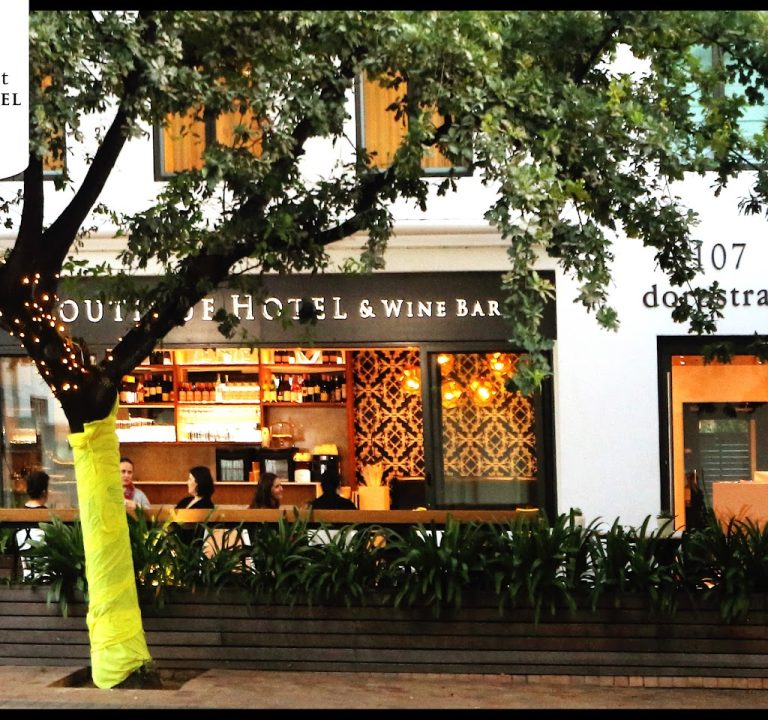
Stellenbosch: Accommodation Planning, Areas to Consider and Visitor Essentials
Stellenbosch, in the Western Cape, presents a charming mix of historic charm, university-town energy and world-class wine country. When planning a stay, guests can choose from a range of options that suit different budgets and travel styles—from intimate bed and breakfasts to country-house hotels and self‑contained cottages. The town is compact enough to explore on foot or by bicycle, yet well connected to nearby wine farms and coastal towns by car or organised tours.
Begin by identifying the area that best fits your interests. The central part of Stellenbosch is ideal for guests who want easy access to cobbled streets, museums and frequent dining options. The northern and southern outskirts offer quieter residential vibes, often with larger grounds, leafy streets and views of surrounding hills. If you’re seeking a vineyard‑driven stay, consider properties on the wine routes that weave through nearby estates, where scenic drives and cellar doors can easily form part of your daily itinerary. For families, guesthouses and lodges with larger rooms or suites and child-friendly facilities can be a practical choice, while couples may appreciate a boutique B&B with intimate common spaces and bespoke breakfasts.
When booking, look for features that align with your plans. Typical amenities in Stellenbosch accommodation include private en-suite bathrooms, air conditioning or heating for variable Cape weather, reliable Wi‑Fi, secure parking and generous breakfast offerings. Some properties provide on-site dining or curated wine-pairing experiences, while others may offer self-catering facilities, outdoor seating areas or pools. If staying on a wine estate, note that access times for common areas or guided tastings may be scheduled, so it helps to check the daily programme in advance. Proximity to main roads can influence ease of access to the town centre and to the nearby game reserves or coastal day trips.
Transport and getting around are straightforward but worth planning in advance. Stellenbosch town is walkable for most visitors staying near the central square and university precinct, with cafes and shops within easy reach. For broader exploration—such as the winelands, nature reserves, or coastal towns—a rental car offers the most flexibility. Some guesthouses arrange peaceful transfers or offer recommendations for trusted local taxi services. If you prefer not to drive, consider walking routes and e-bike rentals that cover scenic routes along the university grounds and along the Eerste River. Public transport is available, but it is more limited for distant wine farms, so budgeting for private transfers or organised tours is sensible, especially if you plan to sample of local cuisine and wines in the evenings.
Best time to visit Stellenbosch depends on your priorities. The area enjoys a Mediterranean climate with hot summers and mild winters. Late spring and autumn offer comfortable temperatures for outdoor dining, architectural strolls and wine tasting without peak-season crowds. Harvest season, typically autumn, brings a lively atmosphere on wine estates and in town, though it can be busier. Winter evenings are cool, so a well‑heated room and a cosy common area can be a definite advantage. If you enjoy biodiversity and outdoor pursuits, winter rainfall can enrich green trails, while summer days are ideal for long cellar-door tastings with air‑conditioned interiors or shaded outdoor spaces.
Practical planning tips for a smooth stay in Stellenbosch:
- Book in advance for peak periods, especially on weekends and during harvest or special events.
- Ask about breakfast formats and dietary options if you have dietary needs or preferences; many properties offer farm-to-table style breakfasts using local produce.
- Check whether your accommodation offers parking, and if not, where the nearest safe parking can be found.
- Inquire about access times to shared facilities such as lounges, terraces or swimming pools, and any child-friendly policies if travelling with little ones.
- Seek recommendations from your host or property manager about local dining rooms and order-ahead meal options if you plan wine‑tasting days.
Beyond the bed, Stellenbosch offers a wealth of low‑key experiences that complement a relaxed stay. In the town, visitors can explore the historic architecture, craft shops and markets that celebrate regional produce. On the outskirts, wine estates provide opportunities for guided tastings and vineyard walks, while nature reserves offer scenic trails and birdwatching. For dining, many venues emphasise seasonal ingredients and regional flavours, presenting a range of options from casual eateries to more refined dining rooms with wine‑driven menus. Museums and cultural sites give context to the town’s history and its role in South Africa’s wine industry, adding depth to a day spent wandering from square to square.
To plan ahead, consult the Stellenbosch tourism pages and the websites of your chosen accommodation for up‑to‑date information about local attractions, tasting rooms and dining reservations. A typical stay blends comfortable accommodation with accessible transport links, leisurely exploration of the town’s streets, and easy access to the surrounding wine farms and natural scenery. By selecting a neighbourhood that suits your pace and prioritising reliable amenities, you can tailor a stay in Stellenbosch that feels both restorative and distinctly South African.