Accommodation and Experiences in Stellenbosch: A Practical Guide for a Memorable Stay
Stellenbosch, in the Western Cape, blends historic charm with world‑class wine, verdant scenery and a welcoming sense of place. Whether you prefer a cosy guest house tucked beside tree‑lined streets, a boutique hotel in the heart of town, or a modern lodge on the outskirts, there are numerous options to suit different itineraries and budgets. When planning a stay, think about what you want to get from your visit: winelands exploration, cultural encounters, and easy access to restaurants and outdoor activities are all within reach from well‑located bases.
Areas to consider when choosing where to stay include the centre of Stellenbosch, where cobbled lanes, wine bars and eateries create a walkable hub near historic architecture, museums and the university campus. A stay in this area is convenient for day trips, easy dining options and a lively vibe in the evenings. For a more relaxed atmosphere, consider guest houses or lodges on the outskirts, close to vineyards, nature reserves and scenic drives along the coast or the foothills of the Helderberg. If you prioritise wine experiences, staying near the Stellenbosch Wine Route towns and valley settlements can cut travel time between cellar doors and offer tranquil rural scenery at dawn and dusk.
Typical amenities to look for when booking include private or en suite bathrooms, reliable Wi‑Fi, adequate parking, and comfortable common areas for socialising or work. Many guest houses and boutique hotels offer breakfast or a light kitchen facility, along with thoughtful touches such as outdoor seating, shaded courtyards or secure access. If you are travelling with family or a group, check for family rooms, interconnecting spaces, or larger suites. For travellers seeking ease, some properties provide shuttle services, guided tours or bicycle rentals to help you explore the town and wine estates without the hassle of planning every connection.
Transport in Stellenbosch is typically straightforward. A car provides the most flexibility for winery visits and scenic drives, but town hotels and guest houses are often within walking distance of the central square, university campus, and key eateries. If you do not plan to hire a car, consider properties that are close to main bus routes or offer arranged transfers. Taxis and ride‑hailing services operate in the area, and many cellar doors request private tastings by appointment, which is worth organising in advance. For those who enjoy a walk, the town’s compact size makes a two‑to‑three kilometre stroll between attractions feasible, especially in the spring and autumn when the weather is mild.
The best time to visit Stellenbosch tends to be in the spring (August to October) and autumn (March to May), when temperatures are comfortable for long winery days, outdoor dining and exploring the town on foot. Summer offers warm days and vibrant outdoor markets, but be prepared for higher visitor numbers. Winter is cooler and quieter, with fewer crowds and the chance to enjoy cosy guest houses with fireplaces or warm hospitality indoors. If you are planning vineyard tours, consider the harvest period for a lively atmosphere, but be sure to book well in advance where possible.
When planning activities, consider a mix of experiences. In addition to cellar doors and wine tastings, Stellenbosch offers heritage architecture, museums and galleries housed in historic buildings, and scenic trails that suit both casual walkers and more ambitious hikers. For a day trip, you could explore nearby nature reserves, take a longer drive through the surrounding winelands, or venture to the coast for a scenic Atlantic fringe. Food lovers will appreciate the town’s diverse dining scene, which ranges from rustic, family‑run bistros to contemporary restaurants focusing on seasonal, locally sourced ingredients. As a practical note, many restaurants and cellars near the centre operate seasonal hours, so a quick check or a booking is wise, particularly over weekends or during peak harvest periods.
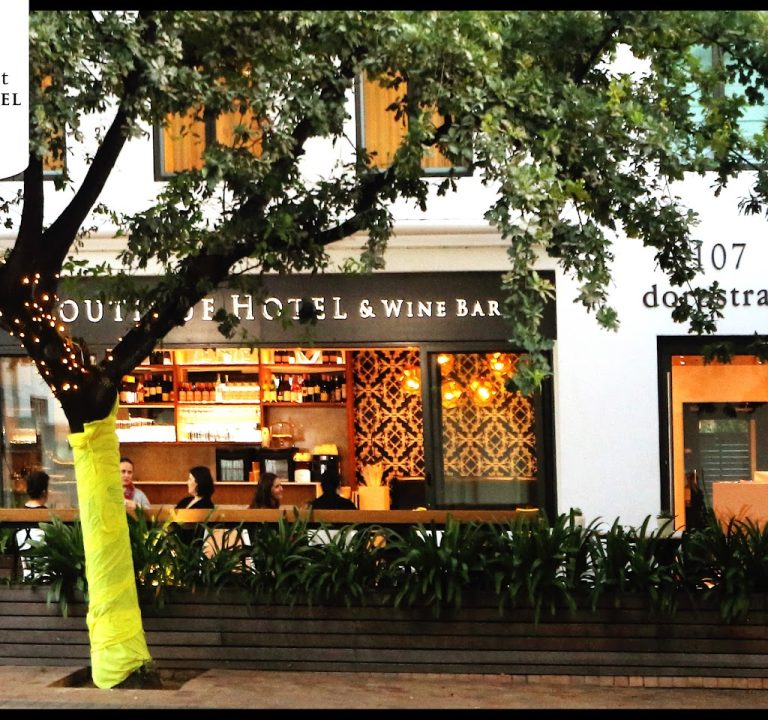
For accommodation examples, consider well‑located options such as a centrally situated guest house that offers a stylish blend of comfort and local character, or a boutique hotel with well‑designed rooms and a tranquil courtyard. An illustrative option is Dorpshuis Guest House, which represents the type of intimate, guest‑house style accommodation you can encounter in Stellenbosch, providing a personal touch and a home‑away‑from‑home feel while you explore the region. Always review recent guest reviews for insights into service, cleanliness and soundproofing, which are important for a restful stay after full days of touring.
Practical packing and planning tips:
- Pack a light layer for cooler evenings and a comfortable pair of walking shoes for exploring the historic town and vineyards.
- Bring your recognised dietary requirements notes or preferences if you are booking meals at guest houses or restaurants.
- Carry a good map or offline navigation for hinterland drives and vineyard routes, as some cell reception can be spotty in rural areas.
- Book winery visits and guided experiences in advance, especially during peak seasons.
- Check cancellation policies and whether breakfast, parking, or guided tours are included in your rate.
To plan your stay and browse accommodation and activity options, you can start with Stellenbosch’s official tourism resources or reputable accommodation sites. For more information and ideas, visit a trusted tourism portal or the town’s visitor information pages to tailor your itinerary to the season and your interests.